
Last updated November 17, 2026







Free written scope consultation - allowances, timeline, and change-order rules on paper before a single trade is scheduled
Construction Permits, Codes & Inspections in Cutler Bay, FL: What You Need to Know
Most homeowners in Cutler Bay believe a permit is a single county approval. It usually isn’t. Residential work here answers to Miami-Dade County’s building code and, at the same time, to the Town of Cutler Bay’s own local requirements – and where the two overlap, the stricter rule governs. That gap is where money gets lost: a project that passes a county review can still fail a town inspection. This guide breaks down which permits come from the county, which come from the town, which projects you’d assume are exempt but aren’t, how the county’s hurricane product approvals shape your material choices, and what inspections a real renovation triggers.
Quick Answer
In Cutler Bay, residential construction permits are issued through Miami-Dade County’s building department, with the Town of Cutler Bay applying its own local zoning, setback, and land-use rules on top. You need a permit for more than most homeowners expect – including fence replacement, generator installs, and paver driveways over a certain size – and every permit requires inspections before the work can be closed out. Unpermitted work surfaces at resale and can affect insurance and financing, so it’s worth getting the paperwork right the first time.
Styles & brands we work with
- Kitchen remodeling
- Bathroom remodeling
- Home additions & ADU
- Roofing
- Windows & doors
- Driveway & pavers
- Fence
Table of Contents
- Miami-Dade County vs. the Town of Cutler Bay: Who Issues What
- Projects Homeowners Think Are Exempt (But Aren’t)
- How Hurricane Product Approvals Shape Material Choices
- The Real Inspection Sequence for a Full Renovation
- What Unpermitted Work Does at Resale and to Insurance
- What Triggers a Re-Inspection Fee
- How to Vet a Contractor for Permit-Compliant Work
Miami-Dade County vs. the Town of Cutler Bay: Who Issues What
The cleanest way to understand permitting in Cutler Bay is to picture two layers. Miami-Dade County controls the building code itself – structural, electrical, plumbing, mechanical, and the product approval system that governs how materials perform in high winds. The Town of Cutler Bay controls how a structure sits on its land: setbacks, lot coverage, fence height and placement, and other zoning rules. A project is permitted only when it clears both.
Here’s how the two jurisdictions divide the typical residential project:
- Miami-Dade County handles: structural permits, roof and re-roof permits, window and door replacement under the product approval system, electrical and plumbing permits, and the inspections that confirm the built work matches the approved plans.
- Town of Cutler Bay handles: zoning and land-use review, fence setback and height compliance, lot coverage and impervious-surface limits, and the local ordinances that can tighten a county minimum.
- Both, in sequence: projects that alter the footprint or exterior envelope – additions, ADUs, new driveways, fences, and some window changes – typically need town review before or alongside the county permit.
This is where the friction lives. County code might allow a fence at one distance; the town’s ordinance can push it back further. A contractor working only from county specs builds to code and still fails the town inspection, and the homeowner pays for the rebuild. When we plan a project in Cutler Bay, we confirm the town requirement first and design to whichever rule is stricter.
Our technicians have up to 15 years of experience navigating both layers, and that experience is why we treat the town’s overlay as a starting point, not an afterthought.
Projects Homeowners Think Are Exempt (But Aren’t)
The most expensive permit mistakes come from good intentions: a homeowner replaces a fence or lays a driveway assuming no paperwork is needed. In Cutler Bay, several common projects do require permits and inspections, and skipping them creates a paper trail that follows the house.
- Fence replacement. A like-for-like fence swap still needs town review for height, placement, and setbacks – and any fence in the county’s windborne-debris or flood zones has structural requirements. Replacement in kind isn’t automatically exempt.
- Generator installations. A standby generator, including the electrical tie-in and any gas line, requires electrical and often mechanical permits. The sizing and placement also fall under town zoning.
- Paver driveways over a certain square footage. Because pavers change the property’s impervious surface, larger driveways trigger town lot-coverage review and county stormwater considerations. A small patio may not; a full driveway usually does.
- Window and door replacement. Every exterior opening is a wind-load question. Replacement windows and doors need product approval and a permit, even when the size doesn’t change.
- Re-roofing. A full or partial re-roof requires a permit, product approval for the roofing system, and inspection of the underlayment and finished roof.
- Interior remodels that move walls or plumbing. A cosmetic refresh may not need a permit, but moving a load-bearing wall, relocating plumbing, or adding electrical circuits does.
When you’re weighing a project, check both the county and the town before you commit. It’s far cheaper to confirm the rules before a shovel hits the ground. For exterior work specifically, our driveway & pavers page covers how the town’s impervious-surface rules play into project planning.
How Hurricane Product Approvals Shape Material Choices
Miami-Dade County runs one of the strictest product approval systems in the country. Every exterior product that has to resist wind – roofing systems, windows, doors, shutters – must hold a Miami-Dade Notice of Acceptance or an equivalent Florida approval before it can legally be installed here. This isn’t a formality; it dictates which materials you can actually put on a Cutler Bay home.
In practice, that means material selection starts with approvals, not aesthetics. A shingle line you love may not be approved for the wind zone your home sits in. A window style you want may only be available in an approved impact-rated system. This is exactly why we work across so many manufacturer lines:
- Roofing: GAF, CertainTeed, Owens Corning, IKO, Atlas, Tamko, and Boral systems, so specs match both the approval requirement and the budget.
- Windows and doors: PGT, CGI, ECO Window Systems, and ES Windows for county-approved impact products, alongside Therma-Tru for door systems.
The upside is that a properly specified Cutler Bay roof or window package usually earns insurance credits, because insurers recognize the approved products. The trap is ordering a product that looks right and discovering at inspection that it lacks county approval. Our Construction Cutler Bay team confirms approvals before anything gets ordered.
The Real Inspection Sequence for a Full Renovation
A full residential renovation in Cutler Bay doesn’t get one inspection at the end. It moves through a defined sequence, and each stage has to pass before the next can be scheduled. Understanding the order helps you plan around the delays that catch homeowners off guard.
- Permit issuance. Plans are reviewed and the permit is issued. Work cannot legally begin before this.
- Pre-construction and site inspection. Foundation or slab work, footing depth, and site preparation are checked before the structure goes up.
- Rough-in inspections. Framing, electrical, plumbing, and mechanical rough-in are each inspected before walls are closed. This is the stage where changes are cheapest.
- Insulation and drywall. Once rough-ins pass, insulation is inspected and walls close.
- Final inspections by trade. Electrical, plumbing, mechanical, and structural finals are scheduled, often together.
- Final building inspection and certificate of occupancy or completion. The whole project is signed off and the permit is closed.
On a Cutler Bay addition or ADU, the sequence stretches longest because it combines every trade. That’s one reason a single accountable contractor matters: handoffs between trades are where inspection scheduling gets dropped. If you’re planning that kind of build, our home additions & ADU page lays out what the process looks like from the first plan to the final inspection.
What Unpermitted Work Does at Resale and to Insurance
Unpermitted work is usually invisible until the moment it costs the most. A title search or a buyer’s permit history check can reveal that a converted garage, finished room, or added structure never had a permit. When that happens, the consequences land on the seller.
- Financing and closing problems. Lenders and title insurers can flag unpermitted structures, delaying or blocking a sale until the work is legalized.
- Retroactive permitting. Legalizing old work means opening a permit, exposing the construction to inspection, and sometimes correcting what was built – a much bigger job than doing it right the first time.
- Insurance complications. Insurers can decline to cover a structure that wasn’t permitted or built to code, and undisclosed alterations can complicate a claim.
- Assessment risk. The town can require documentation or permits for work that changed the footprint or impervious surface, and unpermitted features may affect your lot-coverage compliance.
When we take on a Cutler Bay remodel or addition, we start by pulling the permit history so we know what we’re working with. It’s the difference between a clean project record and a surprise at the closing table.
What Triggers a Re-Inspection Fee
Re-inspection fees are avoidable, and nearly every one comes down to a handful of predictable causes. A re-inspection happens when the inspector arrives, finds the work isn’t ready or doesn’t match the approved plans, and the visit has to be repeated.
- Work not ready when the inspector arrives. Scheduling an inspection before the stage is actually complete is the most common trigger.
- Built work that doesn’t match the approved plans. A change made in the field without a plan revision fails the match test.
- Missing product approvals or documentation. If the roofing or window system lacks its approval paperwork at inspection, it won’t pass.
- Failed rough-in inspections. Framing, electrical, or plumbing that doesn’t meet code has to be corrected and re-inspected.
- Site access and safety issues. An inspector who can’t safely reach the work may not complete the inspection.
We build inspection readiness into our schedule so the visit is called only when the stage genuinely passes. On our fence installation projects, that means confirming the town’s height and setback rules are met before we ask for the inspection – not after.
How to Vet a Contractor for Permit-Compliant Work
The contractor you hire determines whether your Cutler Bay project is permitted correctly. A few targeted questions separate a contractor who knows the local rules from one who doesn’t.
- Ask who pulls the permits. A contractor should pull the permits in their name and carry the liability for them, not hand that back to you.
- Ask how they handle the county and the town. If they only mention the county, that’s a warning. They should be able to explain the town’s overlay on setbacks and lot coverage.
- Ask for the product approvals up front. For roofing, windows, or doors, they should be able to name the approved system before ordering.
- Ask how inspections are scheduled. A clear sequence and a plan for readiness tells you they’ve done this before.
- Ask them to pull the permit history first. A contractor who checks the record before starting is protecting you from inherited problems.
We design whole projects to spec – from the paver driveway and fence at the perimeter to the roof overhead and the kitchen inside – so the permit scope stays coordinated instead of split across several contractors who each assume someone else filed the paperwork.
Common Mistakes to Avoid
- Checking only county rules. A plan built to Miami-Dade minimums can still fail town review on setbacks and lot coverage. Confirm both before you commit.
- Assuming a like-for-like replacement is exempt. Fence replacement and window replacement still involve town and county reviews. The paperwork doesn’t disappear because the size didn’t change.
- Ordering materials before confirming approval. A roofing or window product without county approval is a guaranteed inspection failure and a re-order.
- Starting work before the permit is issued. Beginning early, even “just the demo,” creates unpermitted work and can force the whole project to a stop.
- Ignoring lot-coverage limits on a big paver driveway. Larger driveways change the property’s impervious surface and can push you over the town’s limit.
- Closing a permit without a final inspection. An open permit on the record can stall a future sale or refinance.
- Not checking the permit history when buying. A buyer who pulls the record before closing catches unpermitted work while there’s still time to negotiate.
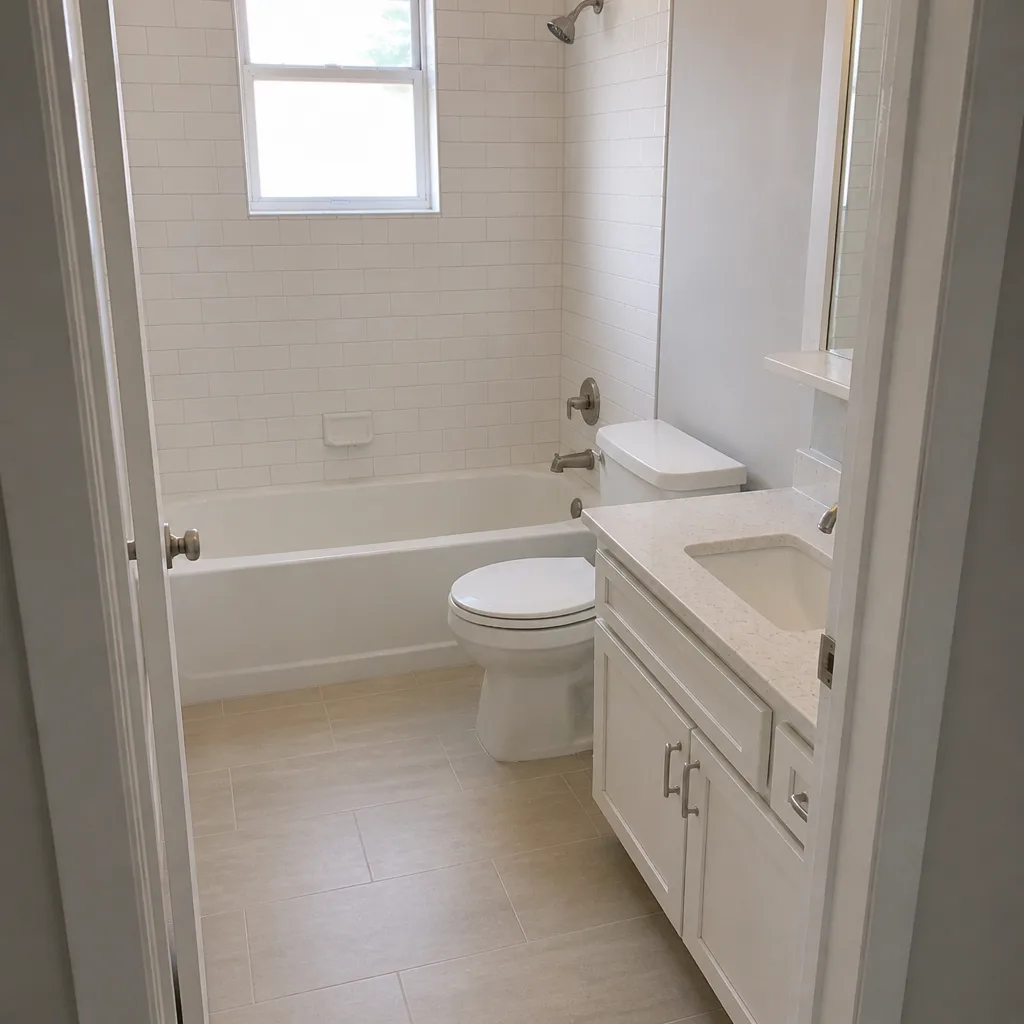
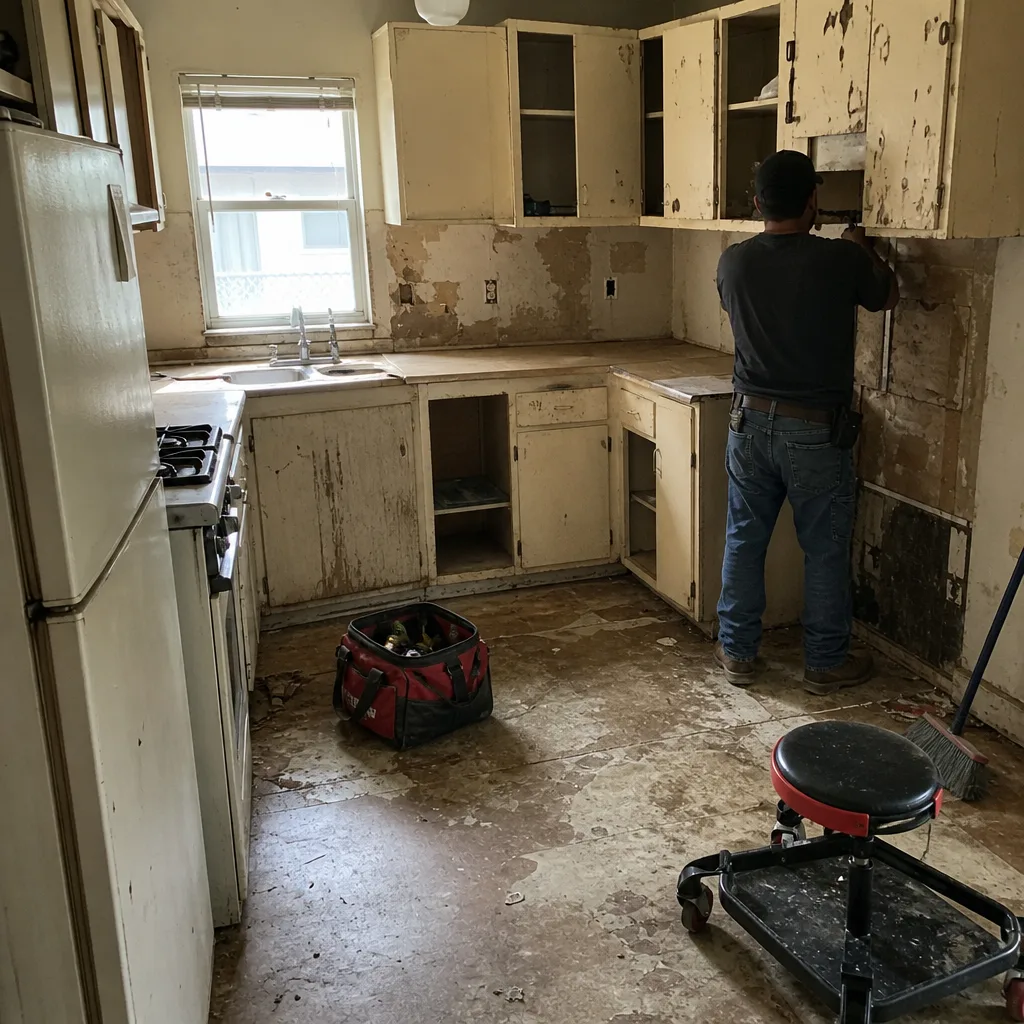
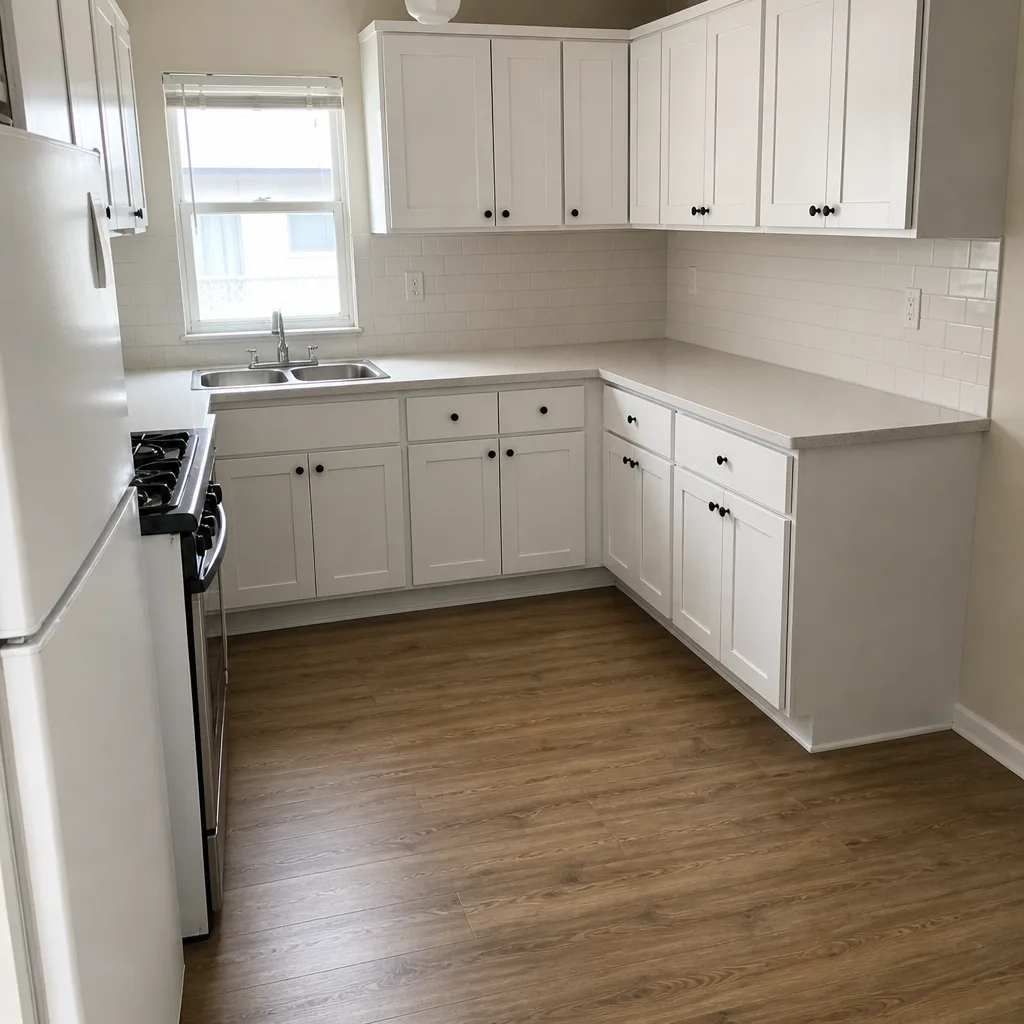
See the difference
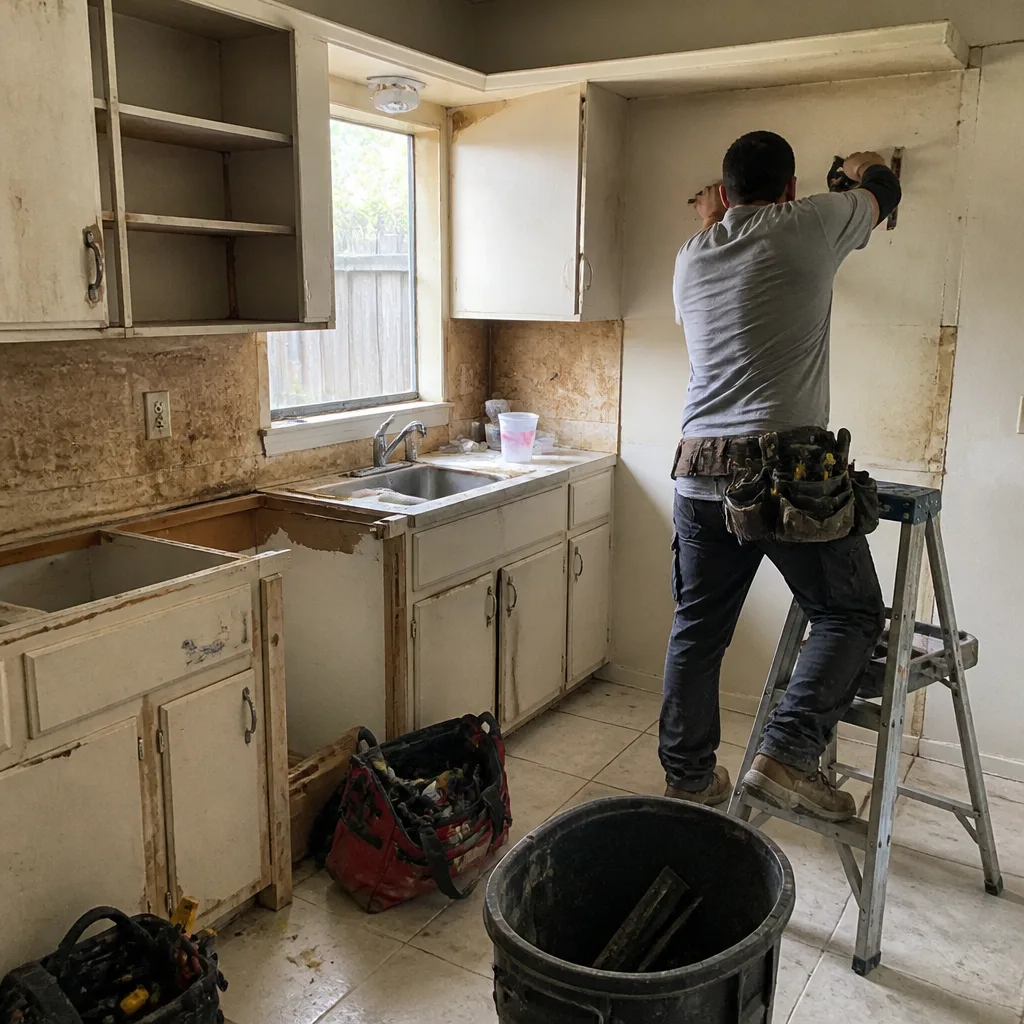 Before
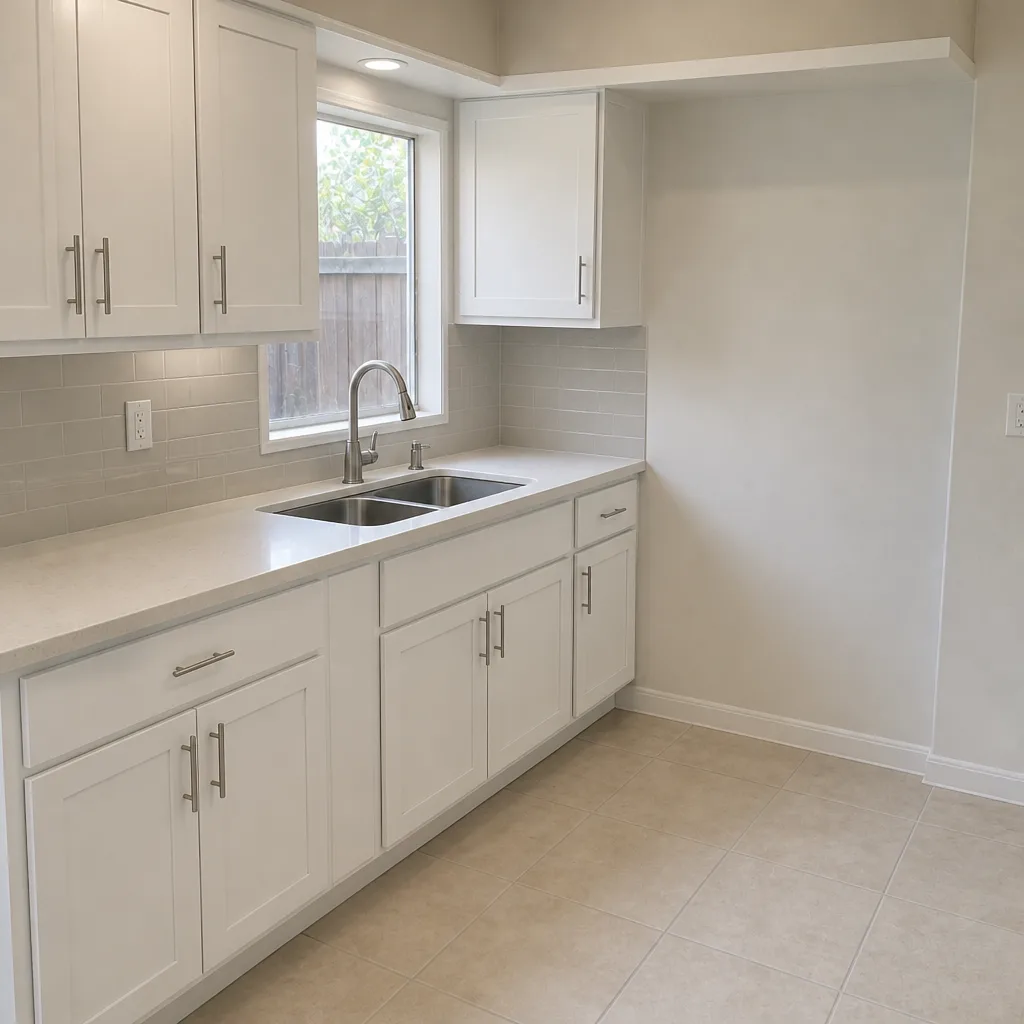 After
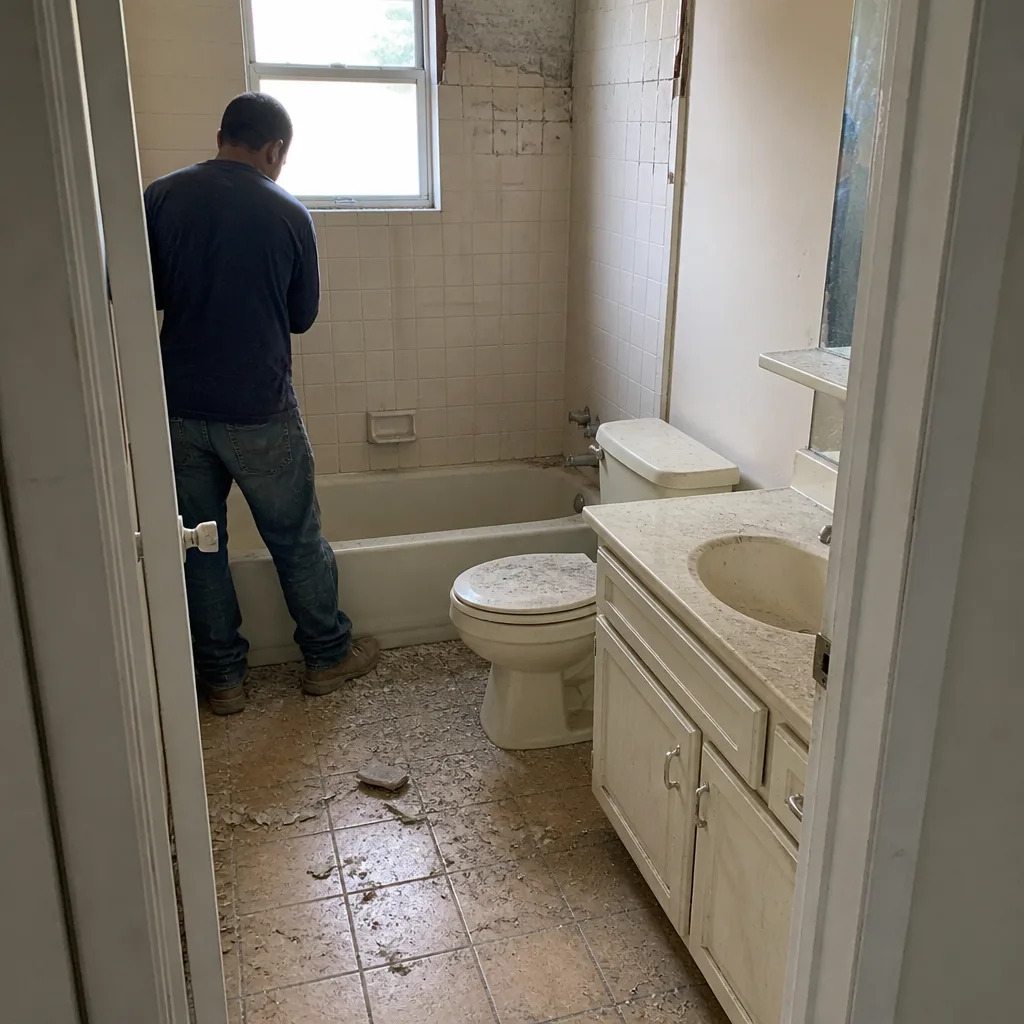 Before
 After
 Before
 After
When to Call a Professional
Some permit questions can be answered with a phone call. Others need a contractor who works in both jurisdictions every week. Call a professional when your project touches the exterior envelope – a new roof, replacement windows, a fence, or an addition – and when the scope moves walls, plumbing, or electrical. Call when a permit history you inherited looks incomplete, or when a town ordinance and a county rule seem to conflict. Those are not small jobs to improvise. Construction Cutler Bay offers free estimates in Cutler Bay, and we pull the permit history before we quote so the price you get reflects the real scope. Call (833) 630-5172. We answer 24/7, with fast dispatch from 7am to 7pm, Sunday through Friday.
Frequently Asked Questions
Yes, for most residential work. Miami-Dade County issues the building permits, and the Town of Cutler Bay applies its own zoning and setback rules on top, so a project typically needs both to be legal. Even fence replacement, generator installs, re-roofs, window replacements, and larger paver driveways require permits and inspections. Call (833) 630-5172 for help scoping what your project needs – estimates are free.
No, a fence replacement is generally not exempt. The town reviews fence height and placement against its own setback ordinance, and any fence in a wind or flood zone has county structural requirements. A fence built to county specs alone can fail the town inspection, so confirm both before installing. Our fence installation page explains how we build to the stricter rule. Call (833) 630-5172 for a free estimate.
Unpermitted work is a problem at resale and with insurance. A title search or permit history check can reveal work that was never permitted, which can delay or block financing and require retroactive permitting and correction. Insurers may decline to cover a structure built without a permit. The cleanest path is to permit the work correctly from the start. Call (833) 630-5172 to talk through your project – estimates are free.
Larger paver driveways usually do. A driveway changes the property’s impervious surface, which falls under the town’s lot-coverage review, and larger installations can trigger county stormwater considerations. A small patio may not need a permit, but a full driveway typically does. Call (833) 630-5172 for a free estimate and we’ll confirm the permit scope with you.
Every exterior product that resists wind must hold Miami-Dade product approval before it can be installed. That means your roofing system or window line has to be on the approved list – which is why it’s worth starting from approved materials. We work across GAF, CertainTeed, Owens Corning, PGT, and CGI systems to match the approval requirement and your budget. Call (833) 630-5172 for a free estimate.
A re-inspection happens when the work isn’t ready or doesn’t match the approved plans and the inspector has to return. Common causes include scheduling before the stage is complete, field changes made without plan revisions, missing product approvals, and failed rough-ins. We schedule inspections only when a stage genuinely passes to keep re-inspections out of the project. Call (833) 630-5172 – estimates are free.
The Bottom Line
Permitting in Cutler Bay is a two-layer job: Miami-Dade County controls the building code and hurricane product approvals, while the Town of Cutler Bay controls setbacks, lot coverage, and fence rules. Where the two overlap, the stricter one wins, and that’s where projects fail. More work needs a permit than most homeowners assume – fences, generators, re-roofs, windows, and larger driveways included. Unpermitted work surfaces at resale and with insurance, and re-inspection fees are almost always avoidable. Get the jurisdiction, the approvals, and the inspection sequence right from the start, and the project closes cleanly.
Call (833) 630-5172 for a free estimate. We answer 24/7, with fast dispatch from 7am to 7pm, Sunday through Friday.
Written by the team at Construction Cutler Bay.