
Last updated November 17, 2026




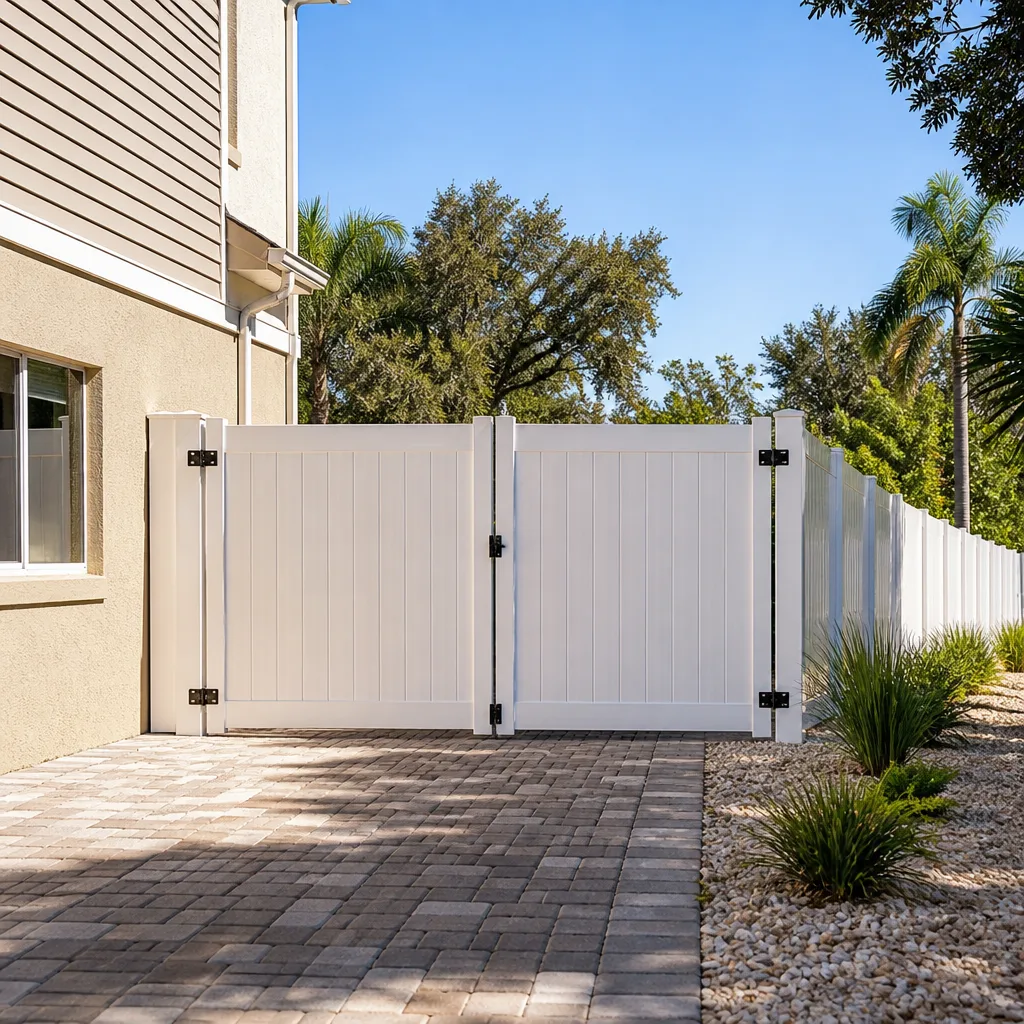



Free written scope consultation - allowances, timeline, and change-order rules on paper before a single trade is scheduled
Construction Warning Signs: A Cutler Bay Homeowner’s Reference Guide
The white powder on your pavers looks like dirt. It isn’t. Walking the neighborhoods here, we’ve learned that almost every warning sign a Cutler Bay home shows you is telling a story about a different problem than the one in front of your eyes. Efflorescence on the driveway comes up from the base, not the surface. A crack in the stucco isn’t the wall failing where it cracked. Chase the symptom and you can spend money twice. Read the system and you catch the thing while it’s still cheap to fix. This guide maps the visible signs of Cutler Bay homes to what’s actually going on underneath, and tells you when a cosmetic issue is just cosmetic.
Quick Answer
Most construction warning signs in Cutler Bay point to a source away from where they appear: stains come from a roof or window leak higher up, cracks trace back to soil movement or missing control joints, and surface decay usually starts with trapped moisture. Efflorescence, spalling concrete, stucco delamination, soffit rust staining and palm root intrusion are the signs specific to this climate and housing stock. Tell cosmetic from structural by watching how a sign behaves over a few weeks, then bring in a professional for anything that grows, spreads or appears on load-bearing surfaces.
Styles & brands we work with
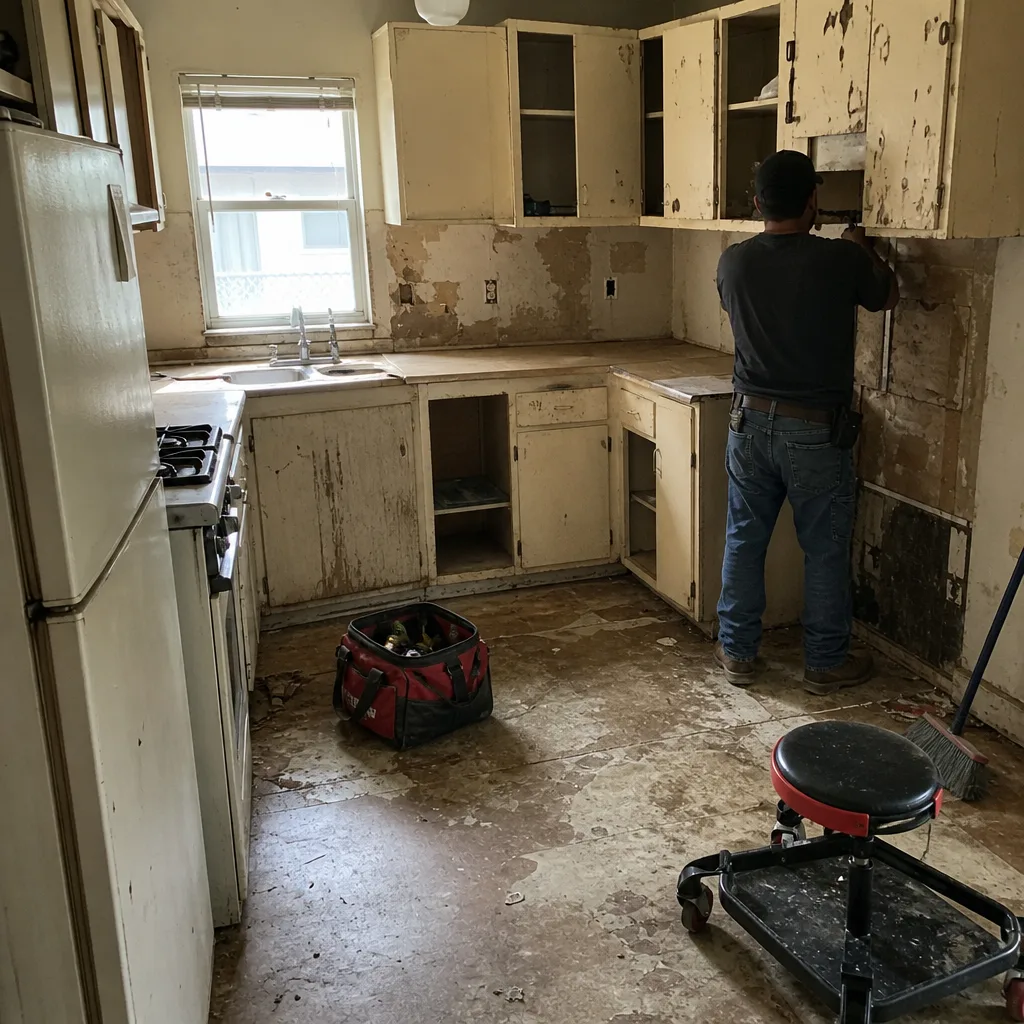
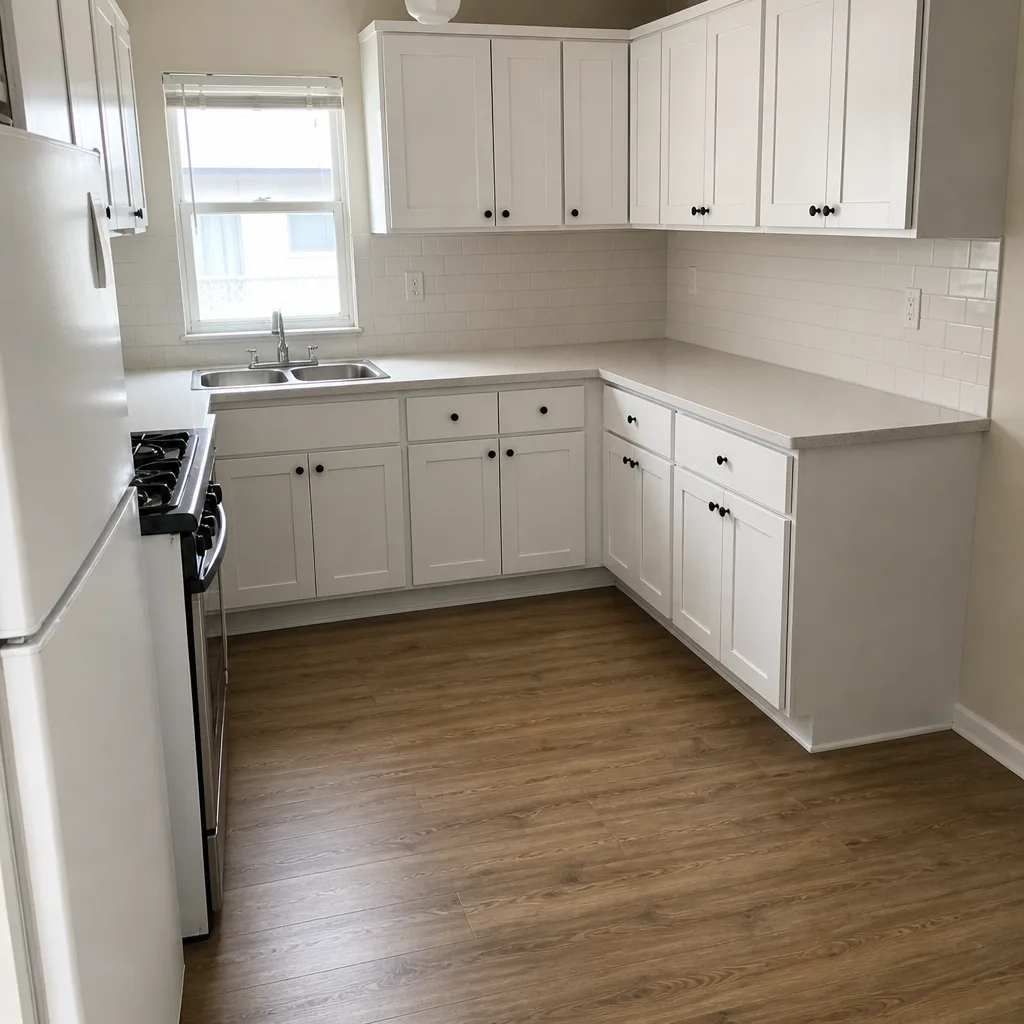
- Kitchen remodeling
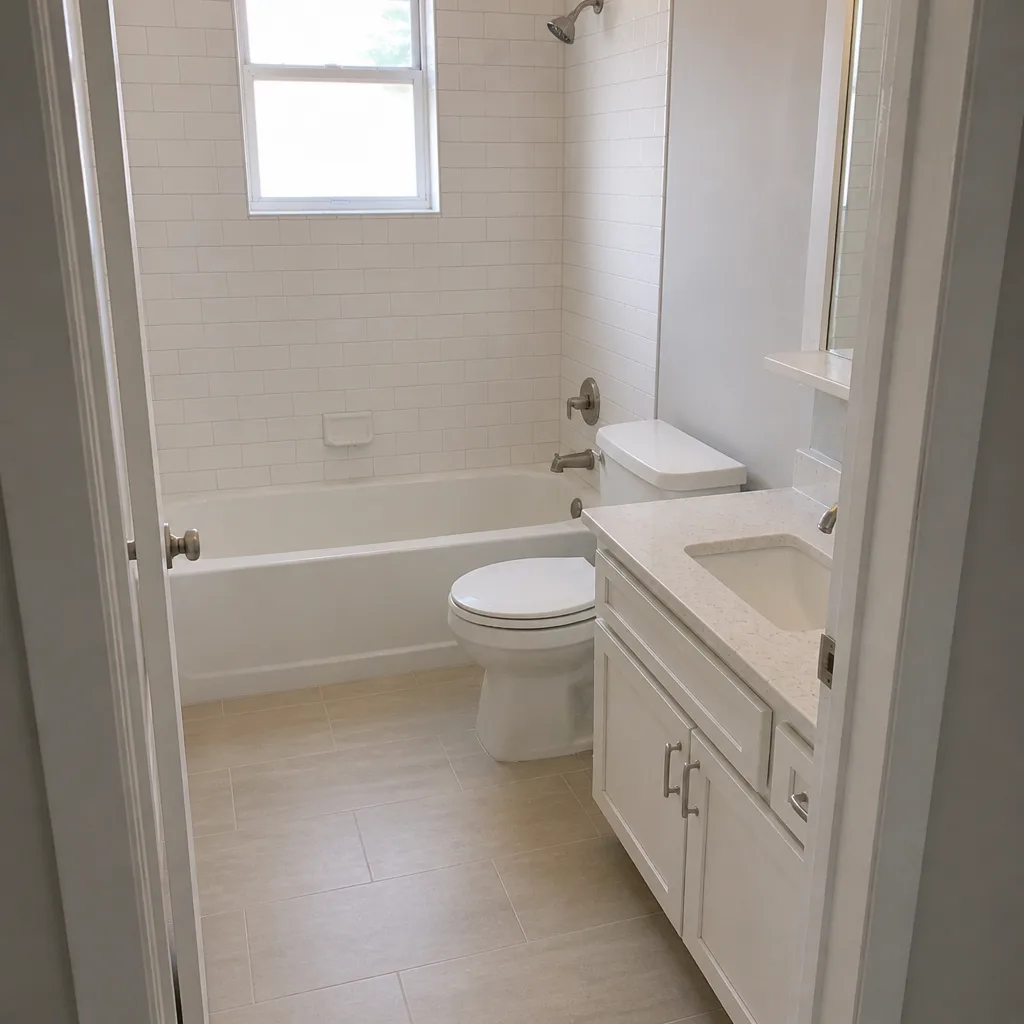
- Bathroom remodeling
- Home additions & ADU
- Roofing
- Windows & doors
- Driveway & pavers
- Fence
Table of Contents
- The Cause-and-Symptom Map: Why the Problem Rarely Starts Where You See It
- Efflorescence on Pavers: A Base That Holds Water, Not a Dirty Surface
- Warning Signs Specific to Cutler Bay Construction
- How to Tell Cosmetic Issues From Structural Ones
- Signs of a Previous Unpermitted Repair
- The Timeline From First Sign to Irreversible Damage
- A Numbered Walk-Around Every Cutler Bay Homeowner Should Know
- When to Call a Professional
The Cause-and-Symptom Map: Why the Problem Rarely Starts Where You See It
Water, structure and soil each move the way physics lets them move, not the way your eyes might expect. A stain on your ceiling is rarely directly below the hole in the roof. A crack in a wall is rarely the point where the foundation failed. Before you price a repair, match the visible sign to the actual cause:
- Roof stain on an interior ceiling. The water entered higher and ran along a rafter or underlayment before dripping. The true source is typically above and often off to one side.
- Crack in stucco. The stucco usually moves with whatever is behind it. A crack on an exterior wall can trace back to a control joint that was never cut, or to soil movement under a corner of the slab.
- Spalling concrete. The slab face breaking away usually means moisture and salt are pushing from the underside up through the concrete, not that the surface took a hit.
- Rust staining on soffits. The stain shows water is travelling along a fastener or metal edge higher in the assembly and dropping onto the soffit.
- Efflorescence on pavers. The salt on the surface came up from the base through the joints. It’s a drainage story, not a cleaning story.
- Sticking interior doors. A door that stops closing squarely can signal a slab tilting or framing moving, not just swollen wood.
We’ve seen all six of these across Cutler Bay, and each one is a case where treating the surface alone makes the repair look fixed for a season and then brings it back. That’s why the diagnostic step comes before the fix on every project we consult on, whether it’s a paver driveway or a full Construction Cutler Bay scope.
Efflorescence on Pavers: A Base That Holds Water, Not a Dirty Surface
Efflorescence is a calcium deposit that’s migrated up through your pavers from a base holding water it shouldn’t. Sealing the surface traps the moisture that’s feeding the deposit, and the white haze returns worse the next dry spell because the water now has nowhere to go but back through the surface. The fix is upstream of the pavers:
- Check grading around the perimeter. Soil piled against the edge of a driveway holds water against the base. It should drain away, not toward, the slab.
- Look at the joints. Joint sand that has washed out lets surface water into the base and can also let moisture escape. A joint that never drained is the likelier culprit.
- Check the base thickness at an edge. Undersized base, or base laid over soil that was never compacted, settles and holds water pockets.
- Check for a drainage path. A driveway that only pitches toward the road, with no path for the water underneath, will keep producing efflorescence until the base is reconstructed.
What we tell homeowners in Cutler Bay is simple: a paver surface is only as good as the base under it. When we build a driveway & pavers installation, we set the base and drainage first and pick the finish second. Belgard and Unilock both make pavers that hold up beautifully when the base is right, and both produce the same white bloom when it isn’t.
Warning Signs Specific to Cutler Bay Construction
Cutler Bay’s climate and housing stock produce a distinct set of warning signs you won’t see in a drier region. The humidity, the summer rain cycles and the sandy soil all shape how materials age:
- Spalling concrete. Look for shallow, roughly circular patches of surface concrete flaking off driveways, walkways and pool decks. The concrete’s porosity and the water table are doing the work; the surface event is a symptom.
- Stucco delamination patterns. Tapping the exterior walls with the back of your hand should produce a solid tone. A hollow, papery sound means the stucco has separated from the substrate, usually because water got behind it through a failed seal, a hairline crack or a poorly flashed window edge.
- Soffit rust staining. Brown streaks on the underside of the roof overhang mean water is finding a metal path from higher in the roof assembly. Often it’s a nail, a piece of flashing or a fastener that rusted and started wicking.
- Palm root intrusion near foundations. Palms close to a wall, driveway edge or fence line push roots under slabs and pavers. The roots don’t break the concrete: they lift and hollow the soil beneath it. The visible sign is a slight lip in a paver, a hairline crack in a walkway, or a fence post that leans.
- Slab edge separation. A visible gap between the slab edge and the soil, usually on the shaded side of the home, tells you the soil has shrunk and the pressure is off the slab. Left alone, this leads to differential settling under the interior.
Any of these signs deserves a look before the next rainy season. They don’t all need repair, but they all need to be read correctly.
How to Tell Cosmetic Issues From Structural Ones
You don’t need an engineering report to know which signs deserve attention first. In our experience, a few simple questions separate the cosmetic from the structural:
- Is the sign growing? Pick a hairline crack or a stucco patch and mark the ends with pencil. Check it in two weeks. If the mark has moved, it’s a working issue and deserves a professional look.
- Is it on a load-bearing surface? A crack in an interior load-bearing wall matters more than the same crack in a cosmetic fence panel. Look at the framing: cracks that follow the framing lines are usually thermal movement; cracks across the diagonals of a wall or opening are worth flagging.
- Is it wet? Cosmetics stay dry. Structural signs usually involve water somewhere in the system, so a sign that tracks the rain cycle is structural until proven otherwise.
- Is it on a horizontal surface? Slabs, sills and pavers bear weight and move with the soil. A crack there is worth a look.
- Is it localized? One hairline is a cosmetic issue. The same hairline climbing across the whole wall is not.
If you get through all five questions and you’re still unsure, pause and don’t paint over it. Paint covers a warning sign that will come back, and it can also hide wood rot from a professional who comes later. Get the read first.
Signs of a Previous Unpermitted Repair
Some of the most important warning signs in a Cutler Bay home are about what a previous owner did without a permit. If you’re going to sell, unpermitted work is a disclosure issue, and the buyer’s inspector will find it. Signs worth taking seriously:
- Wire, plumbing or framing that looks newer than the rest of the assembly. A newer sub-panel next to older wiring, or a newer drain in an older slab, is worth a permit search.
- A roof that doesn’t match its own patching. A localized repair on an otherwise uniform roof is a normal fix, but a hodge-podge of materials often means an unpermitted re-roof.
- An ADU, addition or converted garage with no permit record. The structure may be sturdy. If it isn’t on the permit record, it can complicate appraisal and financing.
- An electrical panel with hand-written circuits. That’s a sign of unpermitted work more often than it isn’t.
- Fencing without a property line survey. A fence built without knowing the property line can be a legal issue as well as a permit one.
When you’re adding shell space, a fence or an home additions & ADU to a home with existing unpermitted work, we verify permit history before we open the first wall. Better to know before the budget is committed.
The Timeline From First Sign to Irreversible Damage
Timing matters far more than most homeowners expect. The visible warning sign usually appears well after the underlying problem started, and the cost curve bends sharply once the stage passes a certain point. Here’s how we see the most common failure modes develop:
- Roof leak. A missing flashing or fastening failure is active for weeks before you see a stain. Once you do, wood rot starts within a season. The roof sheathing is often the first thing that needs replacement beyond the leak itself.
- Stucco delamination. Hairline cracking comes first, then the hollow sound, then the visible separation. Water in the assembly drives the timeline; delaying past the hollow-sound stage usually means the substrate behind the stucco needs attention.
- Efflorescence on pavers. Surface bloom is the earliest stage. Base deterioration builds slowly, but once pockets open, the pavers themselves begin to settle. That’s when the base has to come up rather than being spot-patched.
- Slab settling. Hairline crack to visible step-up to door that won’t close usually takes several years in Cutler Bay soil, and a stilted or slab foundation shifts at a faster rate when a palm is pushing it.
- Palm root intrusion near a foundation. The first sign is a lip at a paver edge. Roots reach the foundation area within a few seasons. By the time you see a crack in the walkway, the palm’s roots are already in place for good.
What every timeline has in common: the earlier stage costs less to correct and the later stage requires choosing between a patch and a rebuild. That’s the whole case for reading a warning sign correctly the first time.
A Numbered Walk-Around Every Cutler Bay Homeowner Should Know
Running a quiet walk-around once a season is the single best way to catch a problem before it becomes a project. Here’s the sequence we recommend for any Cutler Bay home, from the driveway to the ridge line:
- Start at the driveway. Look for efflorescence, paver lips and any edge where soil sits against the slab. Note anything that looks raised or washed out since last season.
- Walk the perimeter walls. Tap exterior stucco with the back of your hand and listen for a hollow tone. Check window and door edges for staining or soft trim.
- Look up at the soffit. Brown or orange streaks under the roof overhang are the highest-yield sign to catch early.
- Check the roof edge. From the ground with binoculars, look at the fascia line, the flashing around the interior walls and any change in shingle pattern. Never climb onto a roof yourself to inspect it: roof work is genuinely dangerous, and a professional has the footing and the gear. That includes the roof accessory lines from GAF or CertainTeed if you’re trying to match a repair. Call a trained roofer rather than doing it from the edge.
- Look at fence posts. Lean and wobbly posts after the wet season point to base washout; a leaning aluminum panel from Master Halco or Ameristar is usually a sign of base movement, not the panel.
- Compare the palms to the slab. Note any palm trunk that’s within the root spread of a slab, driveway or fence line. Plan for a root barrier before roots lift pavement.
- Check the interior door headlines. Walk the home and open and close each door and window. Anything that stuck last year and sticks worse this year is telling you the frame has moved.
When a sign shows up on your walk-around, take a photo, note the date, and check it again in two weeks. That’s the diagnostic record that tells you whether it’s cosmetic or working. It also makes the conversation with any contractor clearer. For a closer look at any one component, our pages on fence installation and driveway & pavers go deeper into what each one should look like when it’s healthy.
Common Mistakes to Avoid
- Sealing efflorescence instead of finding the water. Sealing a paver surface trapping moisture in the base is one of the most expensive mistakes we see. The bloom comes back; the base is worse for it.
- Patching a stucco crack before it’s diagnosed. A crack in a moving surface will reopen. It’s worth ten minutes with a professional’s eye before the repair is committed.
- Reading a roof stain as the leak location. Water runs along framing, so the stain is usually not directly below the entry point. Take a professional look before you cut into a ceiling.
- Ignoring the soffit because the ceiling looks fine. Soffit stains are often the earliest visible sign of a roof issue that hasn’t yet reached the interior.
- Letting a palm get closer to the slab. Roots under a slab accelerate settling. Getting a root barrier in place early is far cheaper than repairing pavement or a slab tilt.
- Buying a home without checking the permit history. A converted garage or addition without a permit becomes your financing problem. For Cutler Bay buyers, an unpermitted repair is a disclosure issue and often a valuation issue.
- Skipping the walk-around entirely. Warning signs caught at the early stage are the difference between a spot repair and a full rebuild.
See the difference
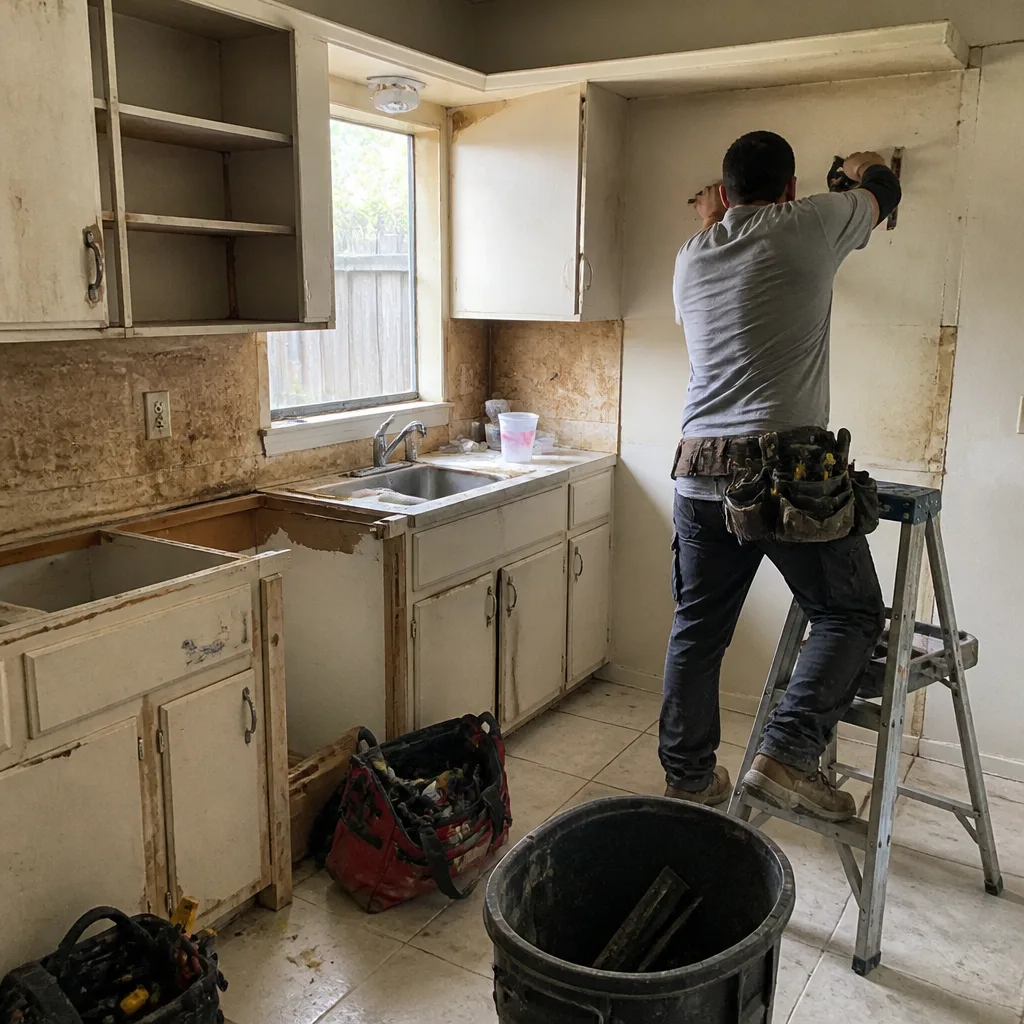 Before
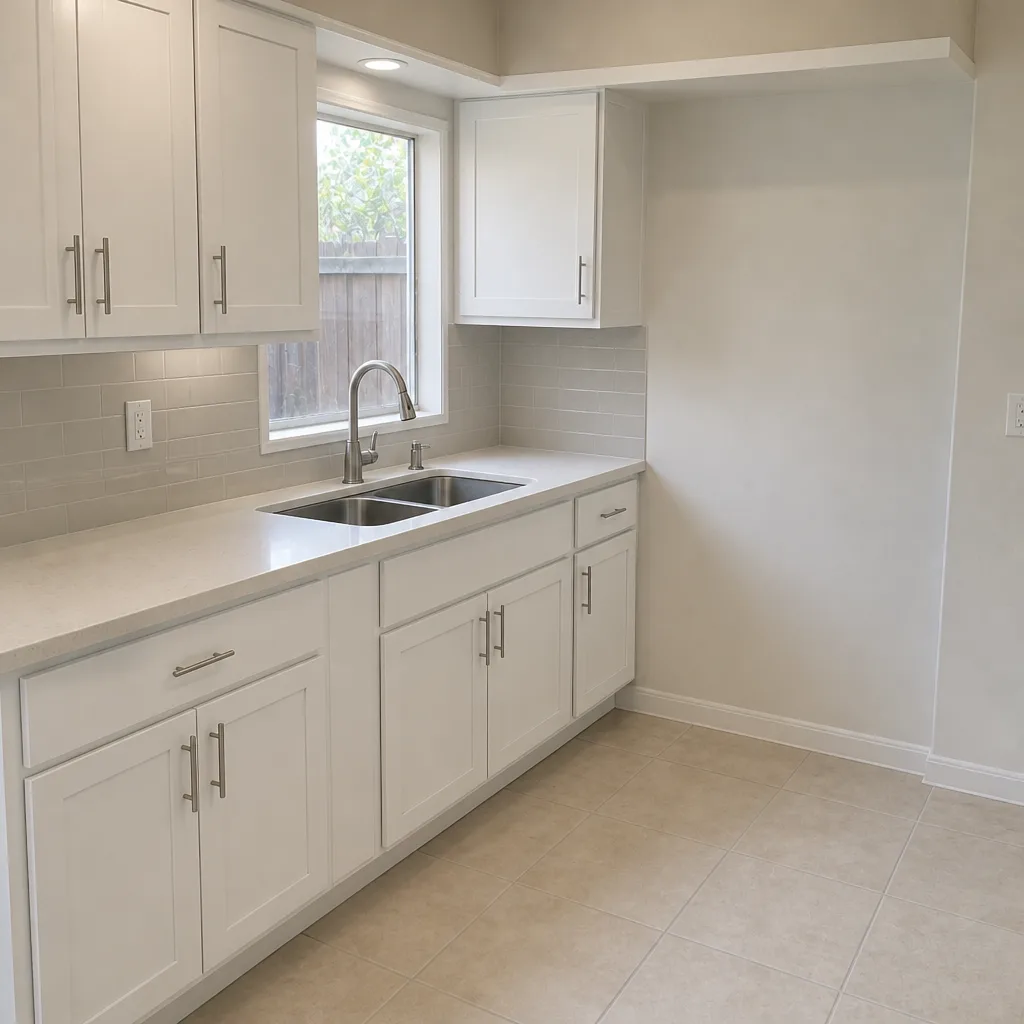 After
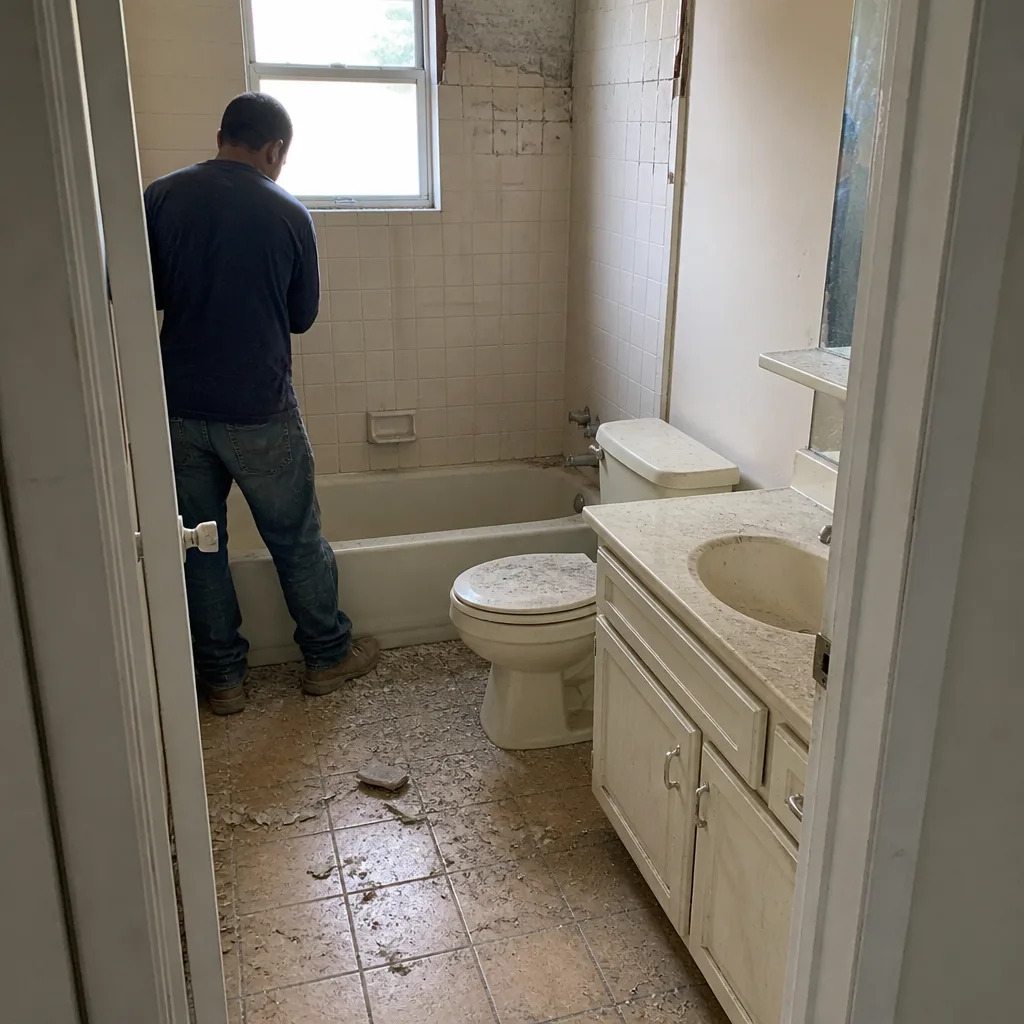 Before
 After
 Before
 After
When to Call a Professional
Bring in a professional when a sign grows, when it appears on a load-bearing wall, when it involves water anywhere in the roof assembly or when a palm is close to your foundation. Call us for anything you can’t confidently classify after the two-week check. Those are the cases where a free estimate is cheaper than a misread. Construction Cutler Bay offers free estimates in Cutler Bay. Call (833) 630-5172 to schedule one. We can walk the symptom to its source, write the line-item scope and tell you whether the sign you’re seeing is a spot repair or a bigger project.
Frequently Asked Questions

Efflorescence on pavers, stucco delamination, soffit rust staining, spalling concrete and palm root intrusion near foundations are the most common signs in Cutler Bay’s housing stock. Each one usually points to a cause away from where you see it. Call (833) 630-5172 for an exact quote on diagnosing and repairing any of them, and estimates are free.
Yes. Efflorescence is calcium migrating up from a base holding water, not a surface stain, so it tells you the base or drainage under the pavers needs attention. Sealing the surface makes it worse. Call (833) 630-5172 for an exact quote, and estimates are free.
Cost depends on whether the crack is cosmetic or working, and that’s determined at the estimate rather than over the phone. A hairline thermal crack runs less than a system repair behind delaminated stucco. Call (833) 630-5172 for an exact quote, and estimates are free.
Often yes. Mark the ends of a crack, check it in two weeks, and note whether it has grown. Cracks that follow framing and stay put are typically cosmetic; cracks that cross a wall or keep growing are worth a professional look. Call (833) 630-5172 for an exact quote, and estimates are free.
Newer wire or plumbing next to older assemblies, hand-written circuit labels, a converted garage or addition with no permit record and a patched roof that doesn’t match the rest all suggest unpermitted work. Verify with a permit search before committing to a purchase or a project. Call (833) 630-5172 for an exact quote on a plan, and estimates are free.
Less time than most homeowners expect: a roof stain, after the leak starts, gives you a season before rot begins. Stucco delamination moves faster than hairline cracks. Water-driven signs are the ones that escalate, so treat those first. Call (833) 630-5172 for an exact quote, and estimates are free.
The Bottom Line
A Cutler Bay home tells you about its problems early, but it tells you in code. Efflorescence, spalling, stucco delamination, soffit rust and palm root intrusion are all symptoms of a system living with water, soil movement or missing joints somewhere else. Read them at the earliest stage and the fix stays small. Read them at the wrong stage and the fix is a rebuild. Our advice is simple: run the seasonal walk-around, mark anything that looks new, and bring in a professional for anything that grows, tracks the rain or appears on a load-bearing surface. One contractor with the full scope, from the driveway to the ridge line, can read the sign and the system together.
Construction Cutler Bay offers free estimates in Cutler Bay, with written line-item quotes, fixed pricing with no change orders, permits pulled and inspections passed, and a workmanship warranty. Our technicians have up to 15 years of experience. Call (833) 630-5172. We answer 24/7, and fast dispatch from 7am to 7pm, Sunday through Friday.
Written by the team at Construction Cutler Bay.