Last updated November 17, 2026


Free written scope consultation - allowances, timeline, and change-order rules on paper before a single trade is scheduled
Choosing the Right Construction Brand: A Buyer’s Guide for Cutler Bay
Most homeowners in Cutler Bay pick a construction brand the way they pick a car: by reputation, by what the neighbor installed, by the logo on the sign at the job site. That’s backwards. In Miami-Dade County, the brand is the easy part. The product line is what gets you through inspection. A shingle system from a manufacturer everyone recognizes can fail final inspection here if that specific product doesn’t carry a Miami-Dade Notice of Acceptance. We’ve watched that exact scenario unfold, and the result is a tear-off, a re-order, and weeks of delay that no brand reputation can fix. This guide covers how NOA approval works, how to verify it before you order, which material categories have real depth in approved options, and where a national brand’s warranty terms quietly underperform in South Florida’s heat and humidity.
Quick Answer
In Cutler Bay, choosing a construction brand means choosing a specific product line that holds a current Miami-Dade Notice of Acceptance (NOA), not just a manufacturer with a household name. A brand can be excellent nationally and still have no approved line for the product you need, which makes installation illegal no matter how licensed the installer is. Verify the NOA before you order, and confirm the residential line separately from the commercial line, because they often have different approval coverage.
Styles & brands we work with
- Kitchen remodeling
- Bathroom remodeling
- Home additions & ADU
- Roofing
- Windows & doors
- Driveway & pavers
- Fence
Table of Contents
- What the Miami-Dade NOA System Means for Your Material Choices
- How to Verify a Product’s NOA Status Before You Order
- Brand vs. Product Line: Why the Same Manufacturer Isn’t the Same Choice
- Which Material Categories Have Deep Approved Options in Cutler Bay
- How South Florida Heat and Humidity Shortens Real-World Lifespan
- Why the Installer’s Brand Authorization Matters as Much as the Product
- Questions to Ask Any Contractor About Brand and Approval
What the Miami-Dade NOA System Means for Your Material Choices
Miami-Dade County runs its own product approval system, and it operates independently of anything a manufacturer prints on a brochure. A Notice of Acceptance is the county’s formal statement that a specific product, tested to county standards, is permitted for use in this jurisdiction. It applies to the product, not to the brand, not to the catalog, and not to the installer’s license.
Here’s why that distinction matters more in Cutler Bay than in most of Florida. Miami-Dade’s wind requirements are the strictest in the state, and the NOA is the mechanism the county uses to enforce them. Building departments in other counties may accept other testing pathways. Miami-Dade’s inspectors look for the NOA, and if the product on the roof, in the window opening, or on the wall doesn’t have one, the inspection doesn’t pass. That’s the whole story.
The categories where NOA coverage matters most:
- Roofing – shingle systems, tile, underlayment, and the fasteners that hold them down. Each component can carry its own approval.
- Windows and doors – including impact-rated glazing, frames, and the anchoring systems. This is the most tightly regulated category.
- Exterior cladding and wall systems – anything that forms the building envelope and takes wind load.
What surprises homeowners is the depth. A shingle might have an NOA. The underlayment beneath it might need a separate one. The fastener schedule in the NOA might differ from the manufacturer’s general installation instructions, and in Miami-Dade, the NOA governs. If you’re planning a roof replacement, that sequence matters before a single bundle ships, and it’s worth understanding before you get a Construction Cutler Bay estimate or any other.
How to Verify a Product’s NOA Status Before You Order
You can check a product’s approval status yourself, and you should, before the material is ordered and long before it’s installed. Miami-Dade maintains a searchable product approval database that the public can access. It’s not difficult to use once you know what you’re looking for.
- Get the exact product identifier from the manufacturer. Not the brand family. The specific product series, model, or profile number. Ask for it in writing.
- Search the Miami-Dade product approval portal using that identifier. The portal accepts product names and NOA numbers.
- Check the approval is current. NOAs expire and get revised. An approval from several cycles ago may no longer be active, and a revision can change the installation requirements.
- Read the scope of the approval. Some NOAs cover specific panel sizes, specific fastener patterns, or specific substrate conditions. A product can be approved and still not approved for the way your home is built.
- Confirm the approval matches your application. A product approved for a commercial low-slope assembly isn’t automatically approved for a residential steep-slope roof.
- Ask the contractor to show you the NOA number in writing on the proposal, next to the material listed. If it isn’t there, ask why.
A contractor who works in Cutler Bay regularly will have this information at hand and won’t be defensive about sharing it. If the answer to “what’s the NOA number on this product” is a shrug, that tells you something about how the rest of the project will go. The proposal should list the material, the manufacturer, the product line, and the NOA number. That’s the standard we hold ourselves to on every home additions & ADU project as well as a straightforward re-roof.
Brand vs. Product Line: Why the Same Manufacturer Isn’t the Same Choice
This is the single most misunderstood point in material selection, and it’s where most homeowners get burned. A manufacturer’s brand identity tells you who made the product. It does not tell you which product line you’re getting, and those lines can have completely different approval and performance profiles.
Consider what happens in practice. A national roofing manufacturer may produce several residential shingle lines alongside commercial modified-bitumen systems. One residential line carries a current Miami-Dade NOA. Another, sold in the same catalog under the same brand umbrella, may not, or may carry an approval with a narrower scope. The homeowner hears “we’re using [brand]” and assumes the whole problem is solved. It isn’t.
Three questions separate brand from line:
- What’s the exact product name and series? “IKO shingles” is a brand answer. A specific IKO product line with an NOA number is an answer that holds up at inspection.
- Is the approval for residential or commercial application? Many manufacturers keep these in separate documentation, and approval coverage doesn’t automatically transfer.
- Does the warranty coverage match the line you’re buying? Manufacturers often attach different warranty terms to different lines. A warranty that sounds comprehensive on the brand’s website may apply to a line you’re not buying.
The same principle applies across categories. Manufacturers such as Atlas, Tamko, and Boral each produce multiple lines, and the approved coverage differs line by line. Knowing which lines in a manufacturer’s catalog actually carry current Miami-Dade approvals is a big part of what makes local material knowledge useful. Our technicians have up to 15 years of experience sorting through exactly this, and it’s the kind of question we answer before a client commits to a driveway & pavers spec as readily as a roof system.
Which Material Categories Have Deep Approved Options in Cutler Bay
Approved product availability is not even across categories. Some material types have a healthy spread of Miami-Dade-approved options at several price points. Others are narrower than national marketing suggests, which is where homeowners discover the approved option costs more than the brochure led them to expect.
Here’s how the categories break down in practice:
Categories with strong approved coverage
- Impact windows and doors. South Florida’s market for approved impact products is mature. Manufacturers such as PGT, CGI, ECO Window Systems, and ES Windows build specifically for this code environment, and approved options exist across the price range from builder-grade to premium. Mainstream door brands like Therma-Tru also have approved lines.
- Roofing shingle systems. GAF, CertainTeed, Owens Corning, and others maintain multiple Miami-Dade-approved residential lines. The coverage is deep enough that you can usually find an approved product at the right budget tier.
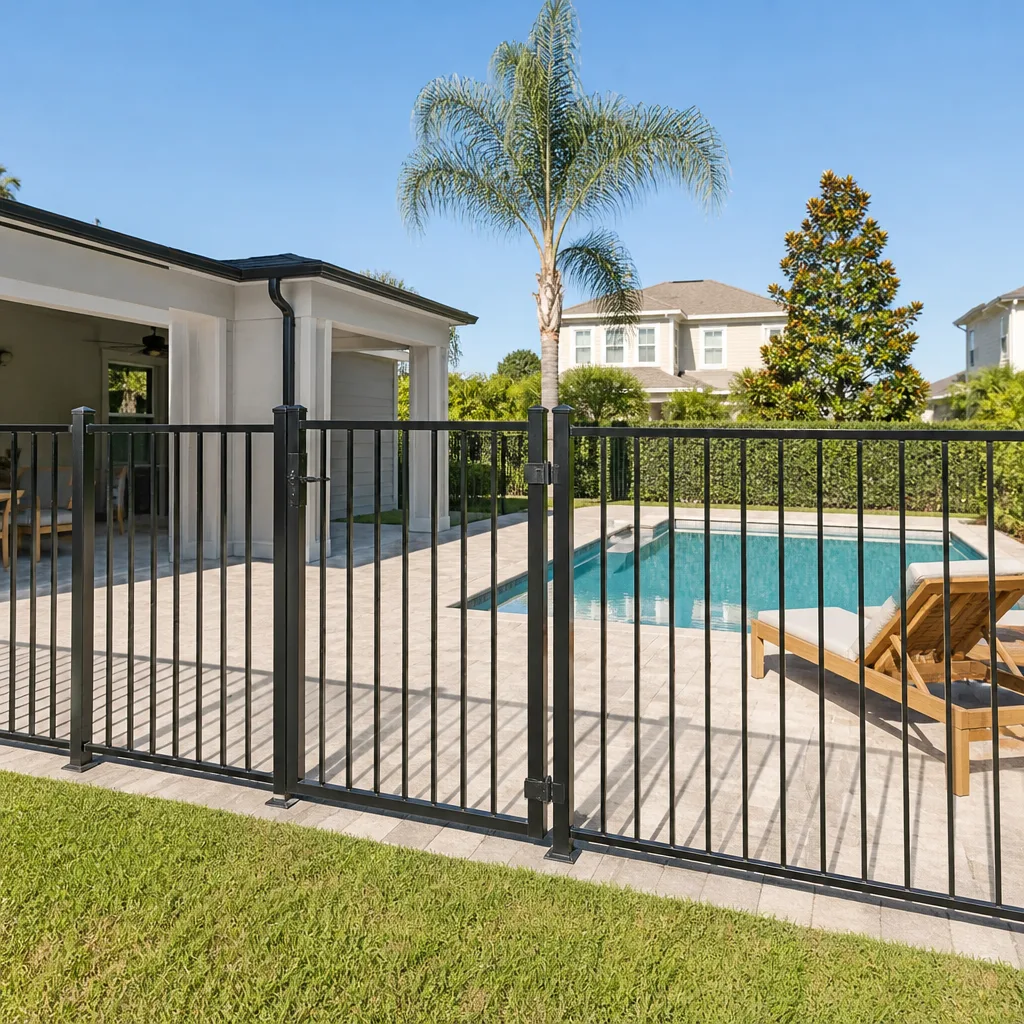
- Aluminum and steel fencing. Not a wind-load category in the way a roof is, but approval and permit requirements still vary, and lines from Master Halco, Ameristar, and Jerith give real flexibility for HOA rules and security needs. Fencing rules in a planned community can be stricter than the county’s; this matters when you’re pricing fence installation.
Categories where approved options are narrower
- Exterior cladding systems. Fewer manufacturers invest in Miami-Dade approval for residential cladding, so the approved set is smaller and the price spread is wider.
- Specialty or designer roofing profiles. Some tile profiles and low-slope membranes have a limited number of approved manufacturers. When there are only two or three approved products, there isn’t much room to negotiate on price.
- Non-standard window sizes and configurations. The approved frame and anchoring system matters, and a custom configuration may require a specific approved system rather than the one you liked in the showroom.
The takeaway for Cutler Bay homeowners: start by building the list of approved options in your category, then choose the brand from that list. Doing it the other way around, choosing the brand first, is how a product gets rejected at final inspection.
How South Florida Heat and Humidity Shortens Real-World Lifespan
A national brand’s warranty is written for a national market. The conditions in Cutler Bay are not the national average, and the gap between rated lifespan and real-world lifespan is wider here than the warranty documentation reflects.
Three factors drive that gap:
- UV intensity. Sustained high-angle sun degrades roofing granules, sealants, paint films, and plastic components faster than in northern markets. A shingle rated for a certain number of years in a mixed climate can reach that point earlier in full sun.
- Humidity and moisture cycles. Materials that absorb and release moisture, and assemblies that trap it, move through far more cycles per year here. Sealants and adhesives see more stress.
- Wind-driven rain. Wind-driven rain reaches into assemblies that a nationally-specified installation doesn’t anticipate. The flashings and underlayment details matter more, and they matter at the product-line level, not the brand level.
What this means for material selection is straightforward: choose products whose approved line is designed for this climate, not just approved for it. The approved products from manufacturers who build specifically for South Florida tend to hold their performance better over time than the products designed for a national average and approved as an afterthought. That’s a real difference in lifespan, even if the warranty language looks identical on paper.
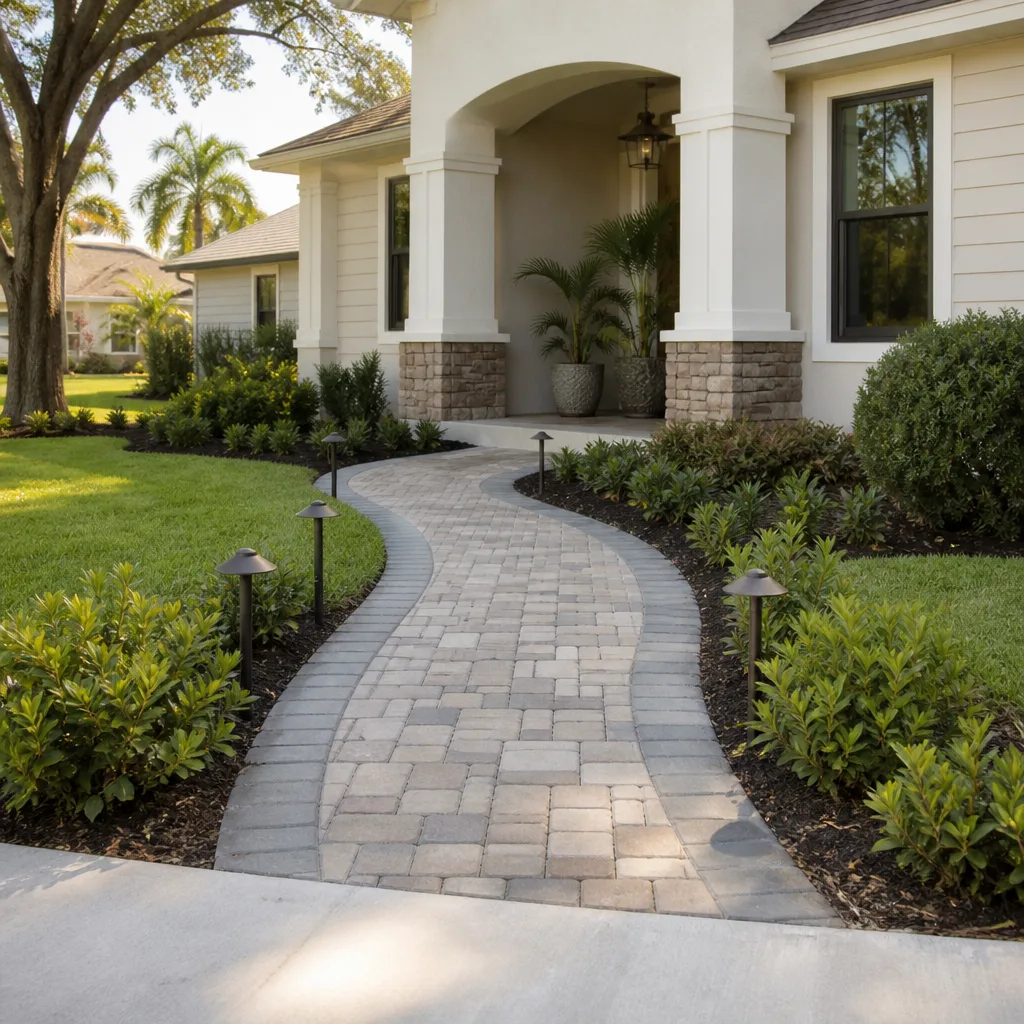
For exterior hardscape, the same logic applies to pavers. Products from Belgard, Techo-Bloc, and Tremron have lines suited to this environment, and the grading and base preparation matter as much as the paver itself. On a roof, the climate load is heavier; on the walls, it’s UV and moisture creeping into any gap that isn’t detailed correctly.
Why the Installer’s Brand Authorization Matters as Much as the Product
An approved product installed by an unqualified installer is still a problem. Many manufacturers offer authorized or certified installer programs, and those programs usually carry real implications for your warranty. Some warranty coverage is only available when the product is installed by an authorized installer. If a contractor isn’t authorized, the product might be fine but your warranty coverage might not be what you expected.
This is where a company’s brand relationships become practical rather than decorative. We’re an authorized installer across more than 50 name-brand product lines, and that authorization matters for two reasons:
- Warranty coverage. Manufacturer warranties on premium lines often tie installation to authorized status. The homeowner gets the coverage they paid for.
- Installation accuracy. Authorized installers are trained on the manufacturer’s current fastening and assembly requirements. When the NOA specifies a specific installation method, that training is what makes the difference between a passing and failing inspection.
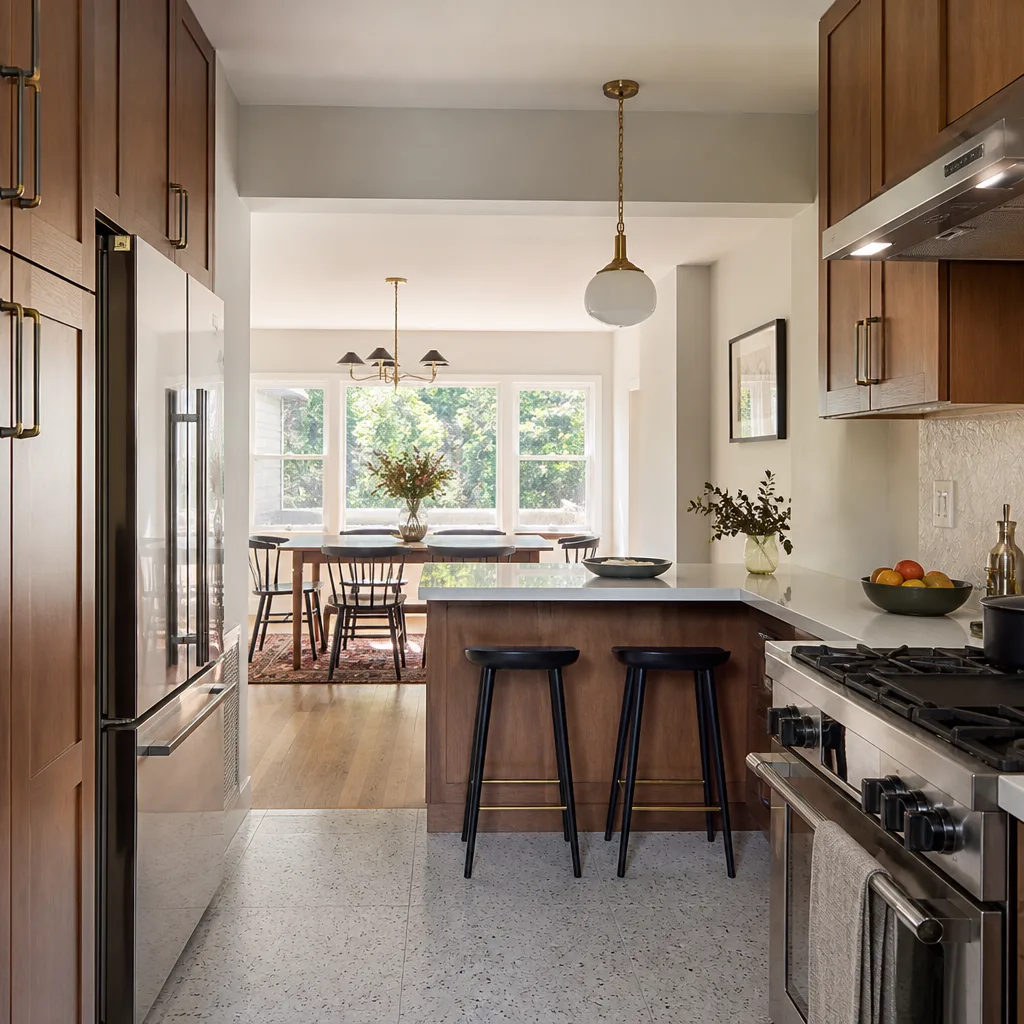
The broader point for a Cutler Bay homeowner is that a multi-trade project involves multiple warranty systems. A kitchen remodel with Cambria or Silestone surfaces, KraftMaid or Wellborn cabinetry, and Kohler or Grohe fixtures involves four or five different manufacturer warranty relationships. When one contractor holds the project, those relationships are coordinated rather than handed off. That’s the practical meaning of carrying the project rather than the trade.
Questions to Ask Any Contractor About Brand and Approval
You can learn a lot about a contractor’s material knowledge in one conversation. These are the questions that separate a contractor who understands Miami-Dade approval from one who’s reciting a brochure.
- “What’s the NOA number on that product, and can you write it on the proposal?” A confident contractor gives it to you. A weak one changes the subject.
- “Is that the residential or the commercial line?” The answer tells you whether they know the difference.
- “What happens if the product gets rejected at inspection?” Good answer: we replace it and cover the cost, because we should have chosen an approved product. Bad answer: we’ll figure it out.
- “Who’s responsible if the manufacturer’s warranty doesn’t apply?” On an authorized install, the manufacturer’s warranty should apply. Ask who holds that relationship.
- “Will you pull the permits?” If a contractor suggests skipping them, walk. A permitted project gets inspected, and inspection is what protects you.
- “Does the price change once work starts?” The written estimate should be the final number, not a starting point for change orders.
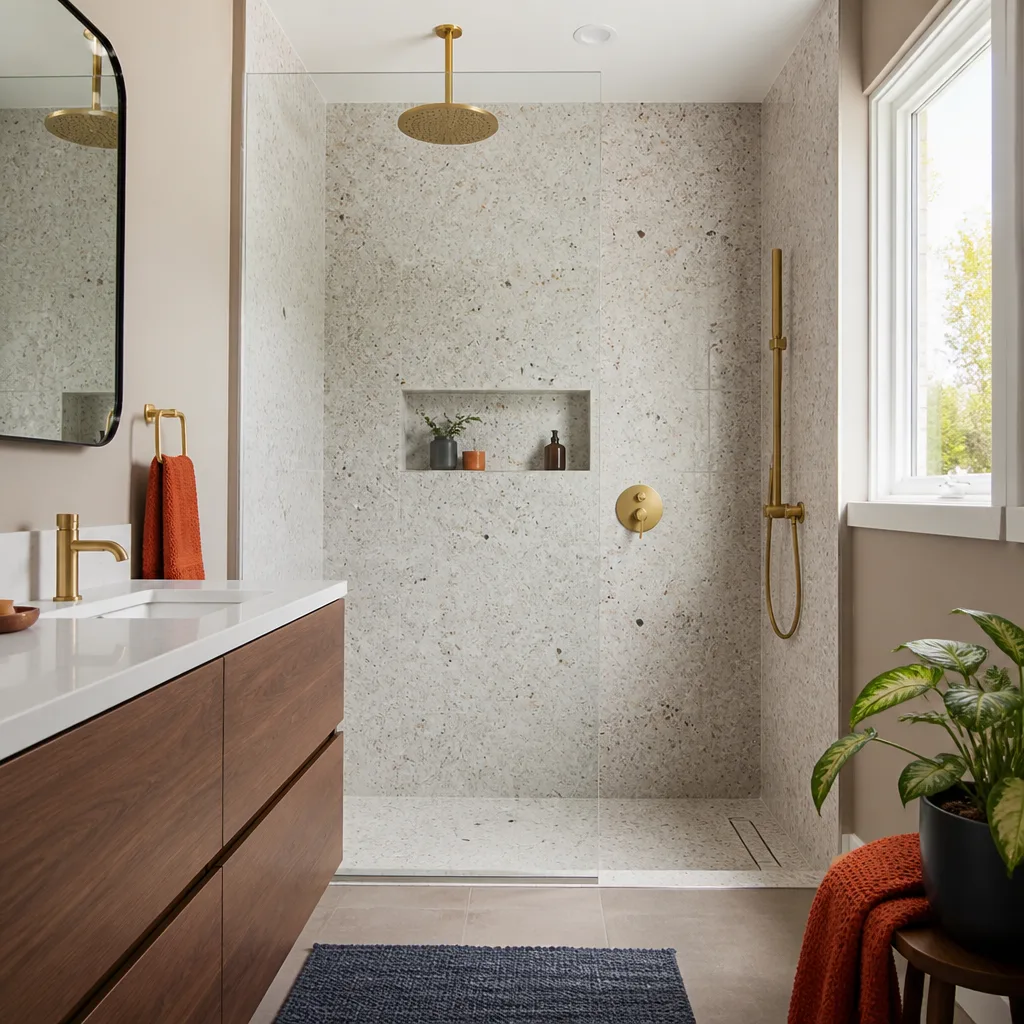
These questions apply whether you’re looking at a full re-roof, a window replacement, or a bathroom remodel with premium fixtures. The underlying issue is the same: does the contractor understand the approval regime, and are they willing to document it. Our own proposals list the product, the product line, and the NOA number. That’s not a sales tactic. It’s the only way to be confident the product is going to pass inspection.
Common Mistakes to Avoid
- Choosing the brand and then asking if it’s approved. Approval has to be your first filter, not a checkbox after you’ve picked a favorite. Checking approval after selection is the single most expensive mistake in this market.
- Assuming a national brand equals a Miami-Dade approved line. The two are unrelated. Some of the best-known brands nationally have limited approved lines residentially.
- Comparing proposals by product name only. A proposal that lists “16-inch tile” without an NOA number isn’t a complete proposal. Compare product lines, not brand names.
- Taking a brochure’s warranty at face value. The warranty applies to a specific product line. Ask which line and which coverage before you sign.
- Trusting a showroom sample over the installed assembly. A window, door, or clad system approved in one configuration may not be approved in the custom size or mullion you actually need. Confirm the configuration, not just the color.
- Skipping the permit because a contractor says it’s easier. In Miami-Dade, the permit is your inspection. Skipping it doesn’t skip the requirement, it just eliminates your only verification that the product and installation passed.
- Choosing a product line based on national lifespan claims. Rated lifespan and real-world lifespan differ in Cutler Bay’s sun and humidity. Choose the line that’s built for this climate.
See the difference
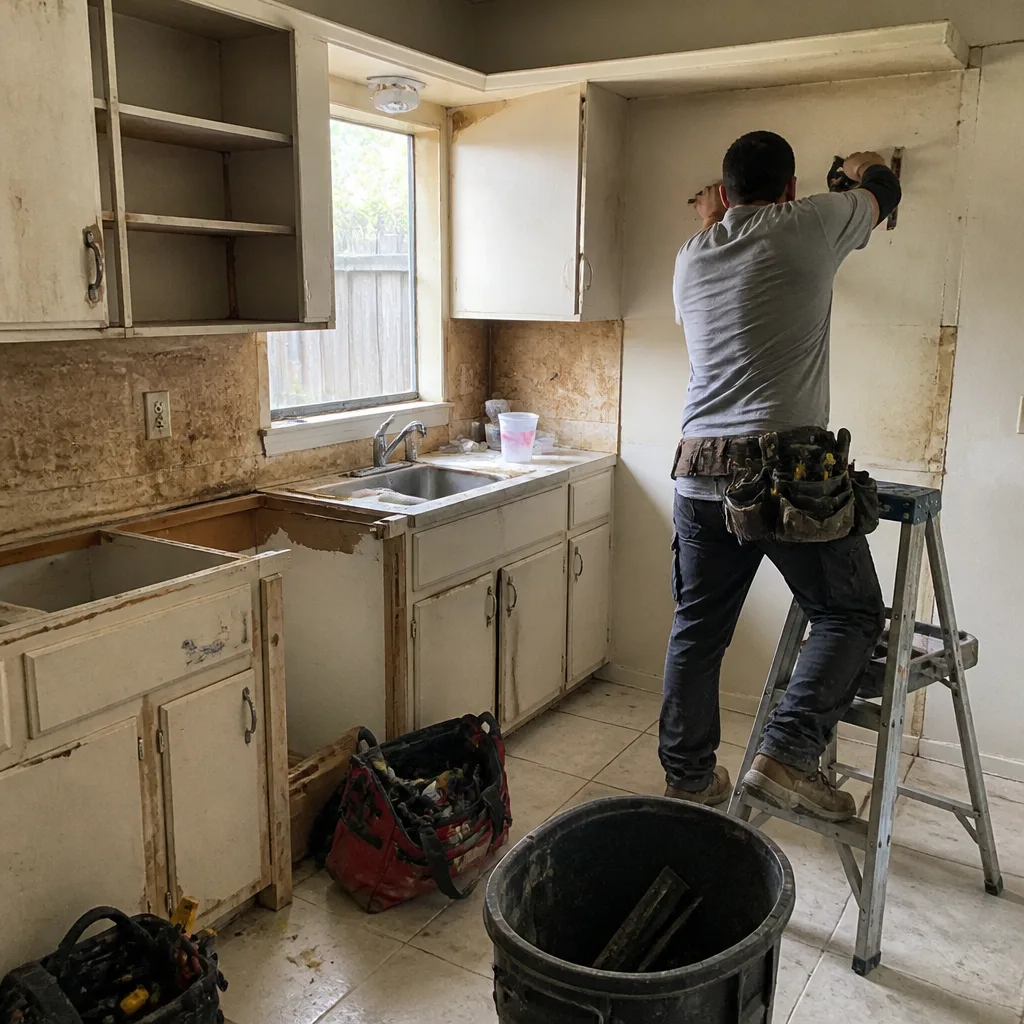 Before
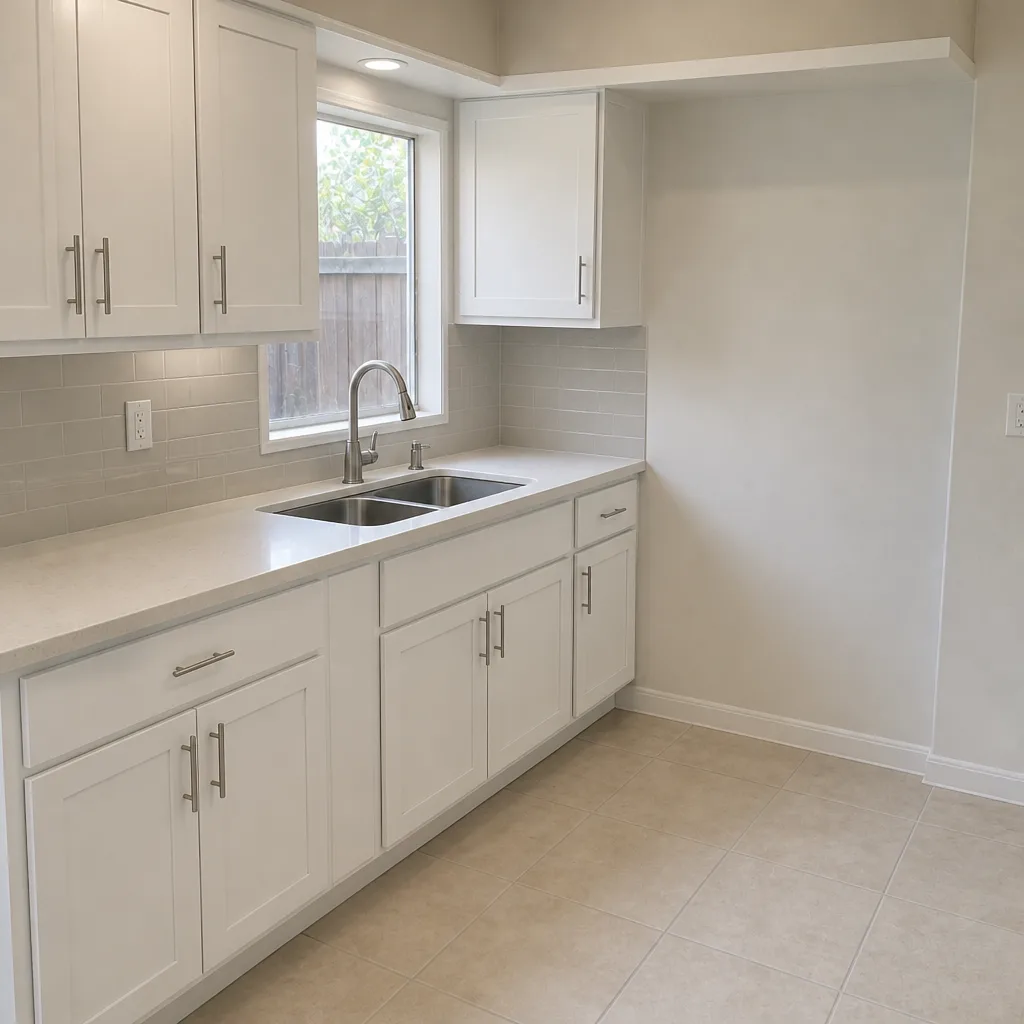 After
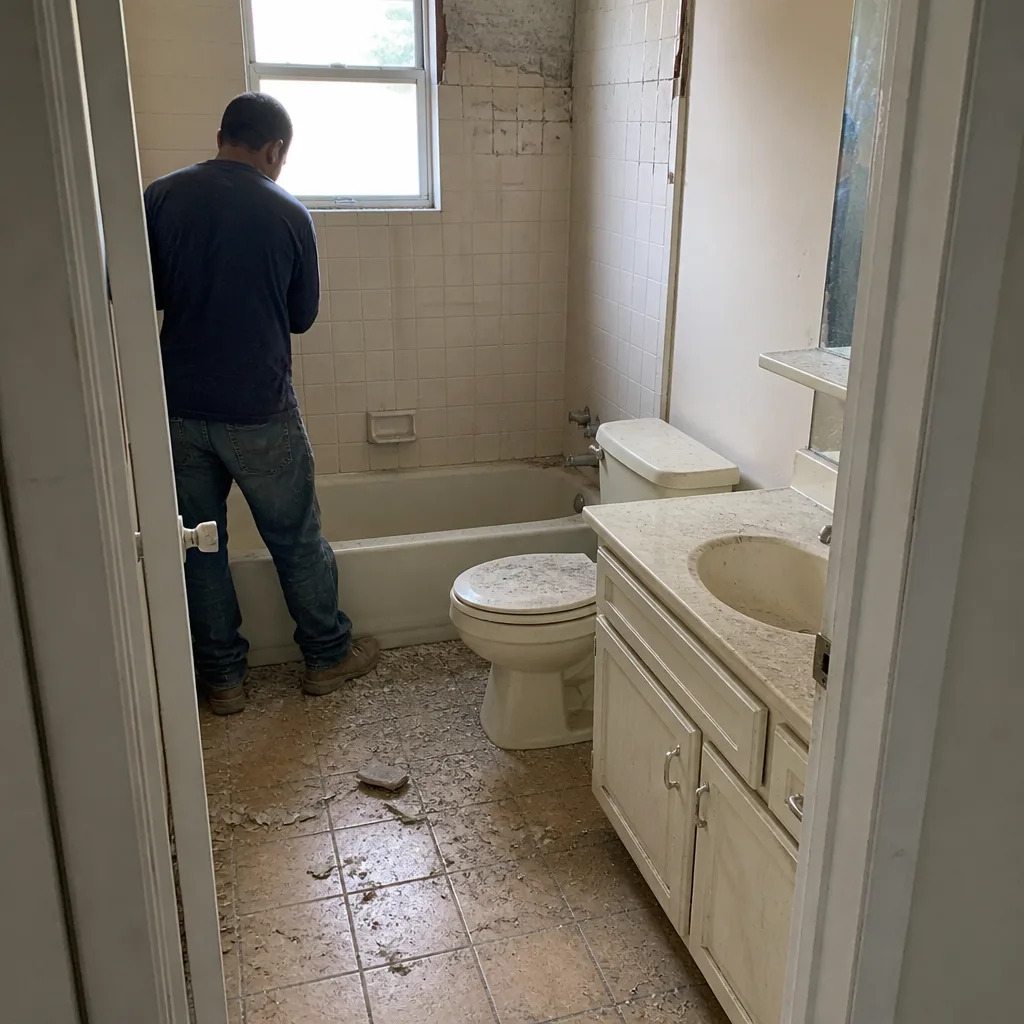 Before
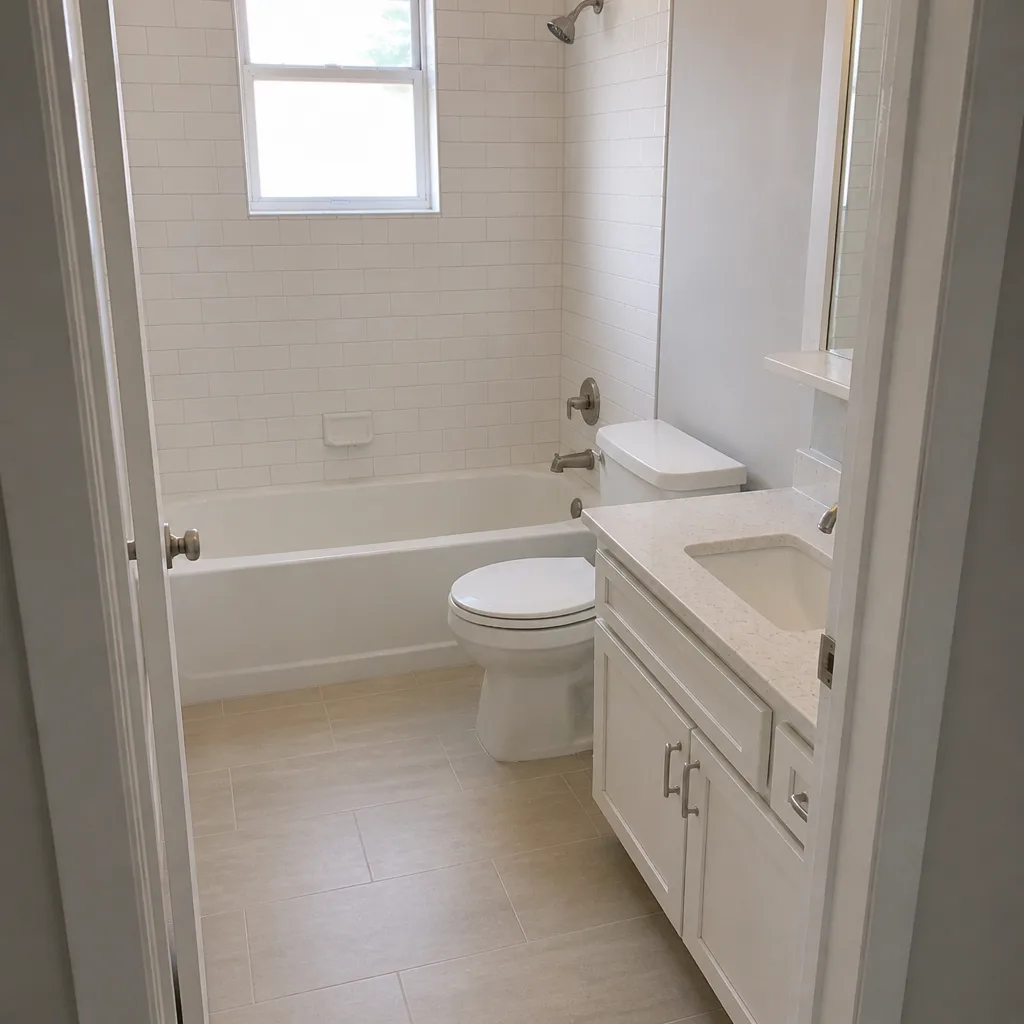 After
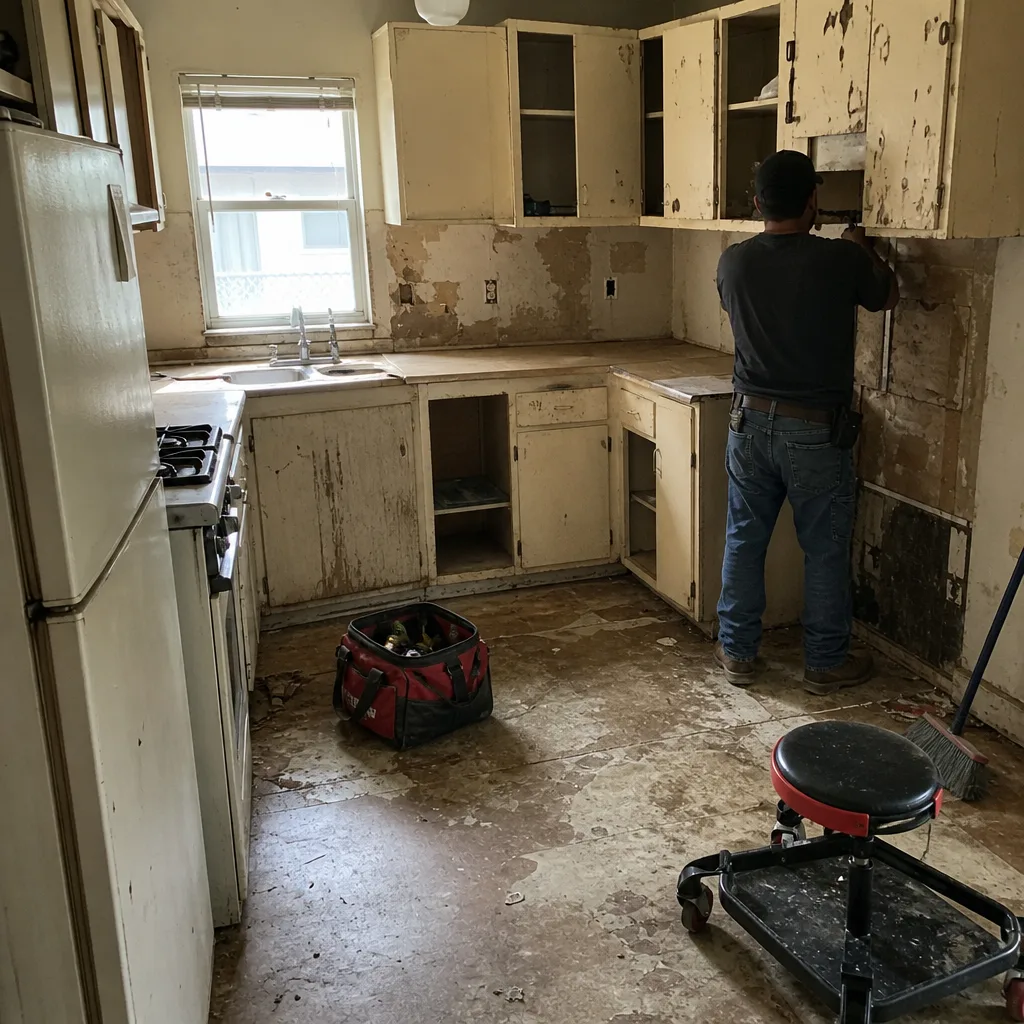 Before
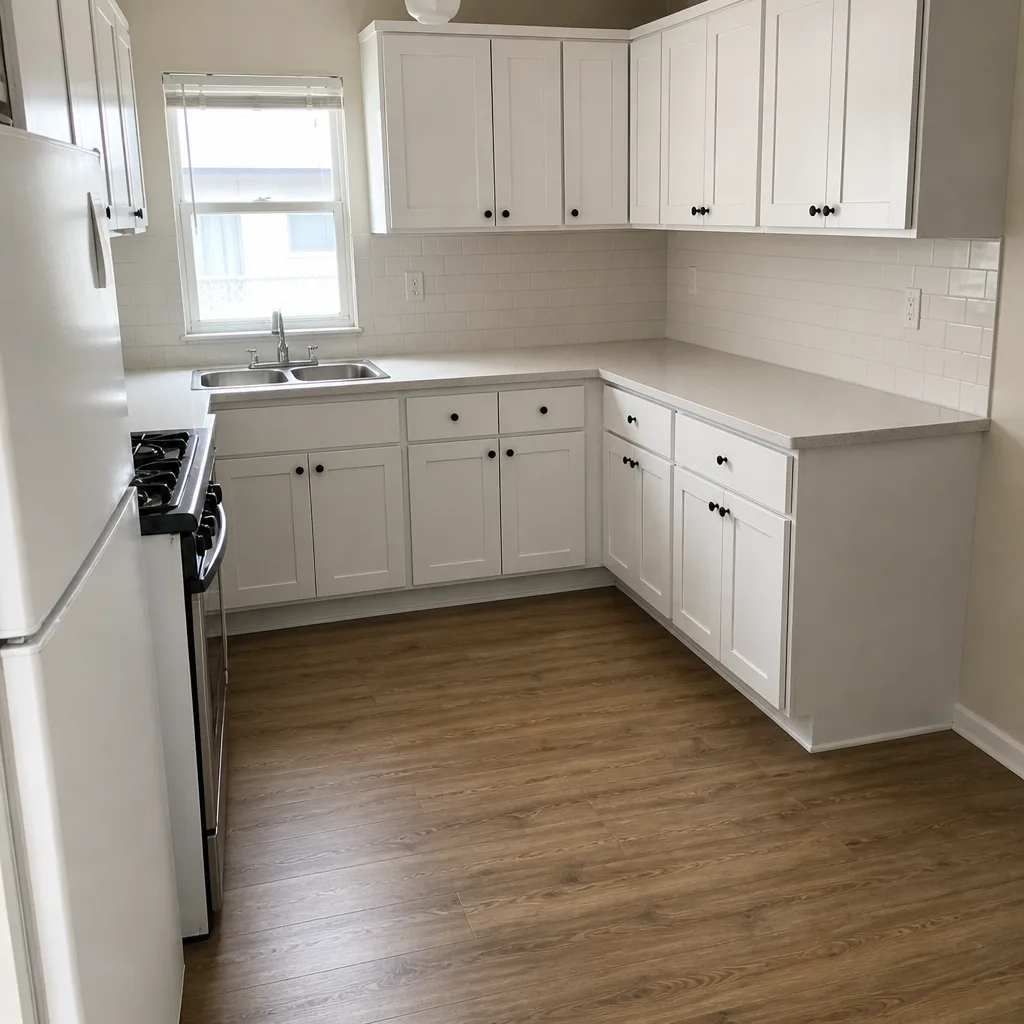 After
When to Call a Professional
There are moments in a material decision where DIY research hits its limit and an experienced eye saves real money. If you’ve narrowed down a product but can’t find an NOA number, that’s a signal to call. If a manufacturer’s brochure claims an approval you can’t verify, that’s an even stronger signal. If your contractor can’t produce a written proposal that lists the product line and the approval, you’re not dealing with a contractor who’s ready for a Miami-Dade inspection.
The broader cutoff is scope. A shingle patch, a window swap in a single opening, a paver repair, or a fence panel replacement can be researched and reviewed quickly. A full re-roof, an impact window package, an exterior cladding job, or a bathroom remodel with custom cabinetry involves multiple approval systems, multiple manufacturer warranties, and a level of permitting complexity that’s easier to get right with a professional who’s done it repeatedly. Construction Cutler Bay offers free estimates in Cutler Bay with written, line-item quotes that list product lines and NOA numbers. Call (833) 630-5172 and we’ll walk you through the approval status of every product in your plan. Our technicians have up to 15 years of experience, and we’re authorized installers across 50+ product lines spanning roofing, windows, doors, cabinetry, countertops, and pavers.
Frequently Asked Questions
A Notice of Acceptance (NOA) is Miami-Dade County’s formal approval that a specific product is permitted for use in this jurisdiction after testing to county standards. It matters because Miami-Dade inspectors require it, and a product installed without a current NOA will fail final inspection regardless of the brand’s national reputation. In Cutler Bay, that means the product line, not the brand, determines whether your project is legal to install.
Get the exact product identifier from the manufacturer, then search the Miami-Dade product approval database for that identifier and check that the approval is current and covers your application. Confirm the scope covers residential rather than commercial use, and that any size or fastener conditions match your home. Ask your contractor to put the NOA number on the written proposal so it’s verifiable in writing. Call (833) 630-5172 for a free estimate and we’ll list the NOA number next to every product in the quote.
No. Brand reputation and Miami-Dade approval are unrelated. A manufacturer can be widely known nationally and still have limited or no approved residential product lines. The safe approach is to build a list of approved products first, then choose the manufacturer from that list. Skip the reverse order.
Impact windows and doors have the deepest approved market, followed by residential roofing shingle systems, and aluminum or steel fencing with appropriate permit coverage. Exterior cladding and specialty or designer roofing profiles have narrower approved coverage, which means less price flexibility. When only two or three products are approved for a category, there isn’t much room to negotiate.
Pricing is per job by written estimate, and the total depends on roof size, the approved product line you choose, and the existing assembly. Your written estimate sets the final price, with no change orders once work starts. Call (833) 630-5172 for a free estimate, and we’ll quote the approved product line rather than a general brand name.
No. Approval is necessary but not sufficient. The installation has to match the NOA’s requirements for fastening, substrate, and assembly, and that’s where authorized installer status and training make the difference. A current NOA plus an installer trained on the manufacturer’s requirements is what gets a project through final inspection. We answer 24/7, with fast dispatch from 7am to 7pm, Sunday through Friday, for any question on approval status.
The Bottom Line
Choosing a construction brand in Cutler Bay starts with a product approval question, not a brand loyalty question. Miami-Dade’s NOA system decides what’s legal to install, and it applies to the specific product line, not to the manufacturer’s national reputation. Verify the approval before the material is ordered, confirm the residential line separately from the commercial one, and expect your contractor’s written proposal to list the NOA number next to every product. Build the approved list first, then pick the brand. Do that, and a re-roof, window package, or cladding job goes through inspection without a tear-off or a re-order. Skip it, and no brand name saves you. Call (833) 630-5172 for a free estimate. We answer 24/7, with fast dispatch from 7am to 7pm, Sunday through Friday, and every written quote lists the approved product line.
Written by the team at Construction Cutler Bay.