Last updated November 17, 2026




Free written scope consultation - allowances, timeline, and change-order rules on paper before a single trade is scheduled
Construction Emergency Preparedness Guide for Cutler Bay Homes
Most storm-prep advice you’ll find for South Florida is a shopping list: batteries, water, plywood, a tarp in the garage. That’s the easy part. The part that actually decides whether your home comes back quickly after a storm is whether you knew, before the season started, how your specific house is put together and what it will take to document and repair it. We’re a full-scope residential contractor, and in our experience the homeowners who recover fastest aren’t the ones with the most supplies. They’re the ones who understand their structure, keep their paperwork straight, and know which repairs they can authorize without waiting on an adjuster. This guide walks through all of it for Cutler Bay.
Quick Answer
Construction storm preparedness in Cutler Bay comes down to three things done before a storm ever forms: a documented audit of your home’s systems tied to your permit records, a clear photo-and-video record of your roof, windows, and exterior, and a written sequence for what you’ll inspect and document first if damage happens. The point isn’t to stockpile tarps. It’s to know your home’s vulnerabilities, so post-storm triage is fast, orderly, and lines up cleanly with an insurance claim. One contractor who understands every layer of the house, from the driveway to the ridge line, makes that sequence far easier to run.
Styles & brands we work with
- Kitchen remodeling
- Bathroom remodeling
- Home additions & ADU
- Roofing
- Windows & doors
- Driveway & pavers
- Fence
Table of Contents
- The Pre-Storm Construction Audit: What to Inspect and Document
- How Your Construction Type Shapes Storm Risk in Cutler Bay
- The Post-Storm Inspection Sequence That Protects Your Claim
- How to Spot a Storm-Chaser in the First 72 Hours
- Which Emergency Repairs You Can Authorize Before an Adjuster
- Why Materials Matter for Storm Performance
- What Happens When You Call
The Pre-Storm Construction Audit: What to Inspect and Document
A pre-storm construction audit is a documented walkthrough of the parts of your house that storms attack first, done while the weather is calm and repairs are cheap and unhurried. The goal is a photo-and-paper record you can hand to an insurer if you ever need to. Do it once, in the off-season, and update it whenever you finish a project.
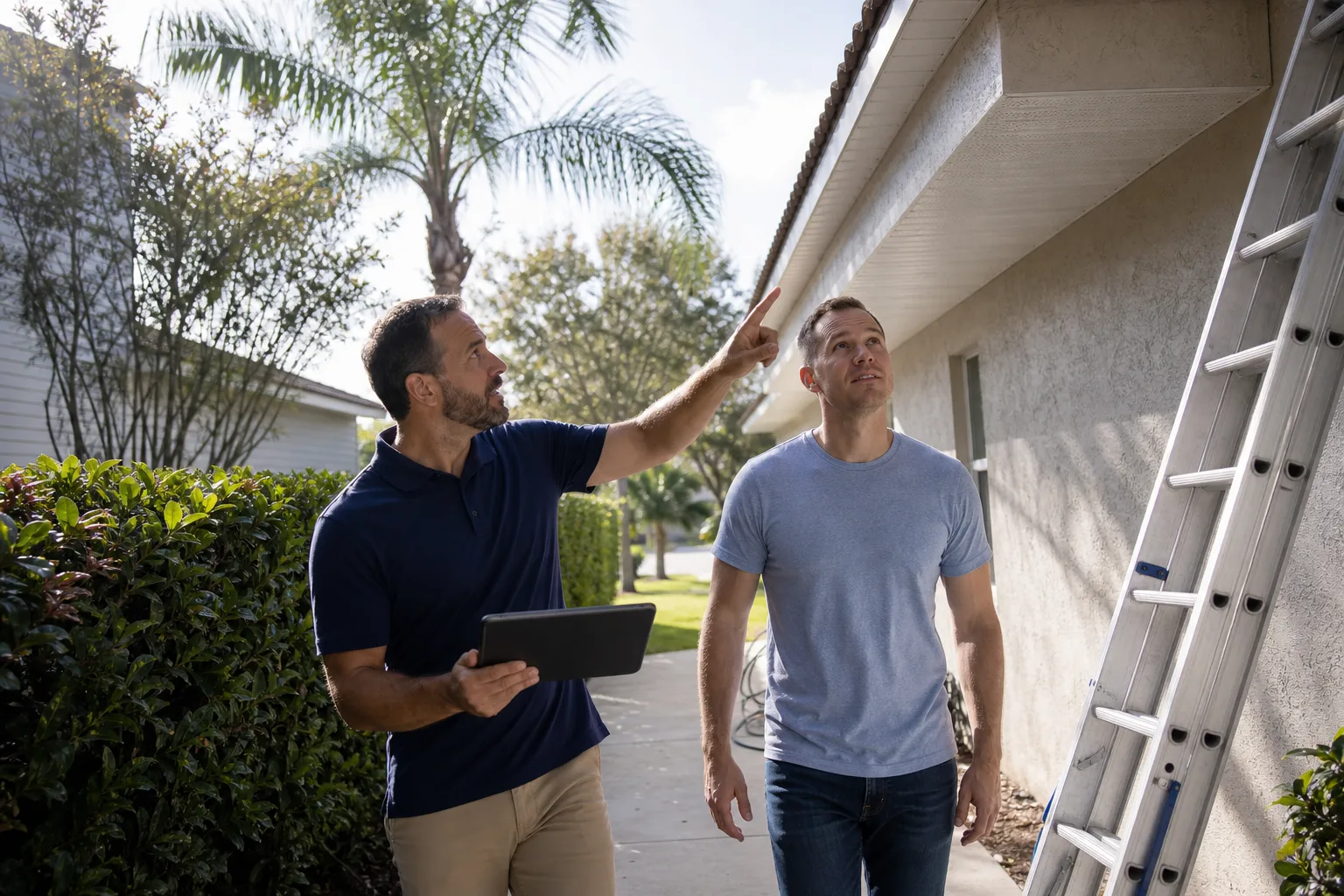
Walk the exterior first. Photograph every roof plane from the ground, the full length of each wall, every window and door, and the perimeter fencing. Date-stamp the photos and store them off your phone, in cloud storage or email, so a wet or lost device doesn’t take your records with it. Then move inside and document the systems that storms stress: the condition of your windows and their frames, the seal around exterior doors, the roof’s age and material, and the age of your water heater and electrical panel.
The step most homeowners skip is tying that documentation to their permit records. Every significant improvement on your home, from a re-roof to impact windows to an addition, should have a permit closed out with your local building department. Before the season, pull those records and match the permit to the install. Why it matters: after a loss, an insurer will ask what was there and when it was put in. A permit file plus a dated photo set answers that question in minutes instead of weeks.
What to have ready before the season
- Dated exterior photos: roof, walls, windows, doors, fence, driveway
- Permit numbers and closure records for every major improvement
- Material and brand details for your roof, windows, and doors
- A home inventory with photos of high-value interior contents
- Your insurer’s claim phone number and policy number in one place
- A short list of structural weak points you already know about
If your roof is older or your windows are original, the audit is also the natural point to plan the upgrade before a storm forces it. Replacing a worn roof or aging windows on your own schedule is a controlled project. Replacing them after a storm, mid-claim, is not. That’s the difference between planning and reacting.
How Your Construction Type Shapes Storm Risk in Cutler Bay
Cutler Bay’s housing stock runs the range from block homes to wood-frame structures, and the construction type changes both how a house handles a storm and what repairs cost afterward. Knowing which one you own is the starting point for every other decision in this guide.
CBS block homes dominate much of South Florida’s recent construction. Concrete block walls, when properly reinforced and tied to the roof structure, resist wind pressure and wind-borne debris well. The vulnerability usually isn’t the wall itself. It’s the roof-to-wall connection, the roof covering, and the openings. A block home with an aging shingle roof and original single-pane windows has two weak points even though its walls are strong. Repairs on block tend to be more linear: you’re often replacing a roof covering or window units rather than rebuilding wall assemblies.
Wood-frame homes present a different profile. The frame performs well when it’s well-braced and properly sheathed, but water intrusion is the larger risk. Once water gets behind siding or into a frame, the damage can spread into sheathing and structure, and the repair scope grows beyond what’s visible from outside. Post-storm repair on a frame home often involves opening walls to dry and check the structure, which adds time and cost compared to a block home where the same water mainly damaged interior finishes.
Older homes in Cutler Bay add a third variable: construction methods from decades past may not meet current wind standards. That doesn’t mean the house is unsafe, but it does mean a pre-storm audit should flag what’s original and what’s been upgraded. A roofing or window upgrade on an older home often does more than any single prep step to reduce storm risk.
Matching material to your structure
When you do upgrade, the material choice should match the house. On the roofing side, lines like GAF, CertainTeed, and Boral give you options across budgets and wind performance. On windows, PGT and CGI make impact-rated products proven in South Florida conditions. Our Construction Cutler Bay team specifies products to the structure, not to a generic checklist, because a block home and a frame home don’t need the same solution.
The Post-Storm Inspection Sequence That Protects Your Claim
After a storm, the order in which you inspect and document your home matters as much as the inspection itself. Do it in the wrong order and you can blur the line between storm damage and pre-existing wear, which is exactly the gap an insurer will question. Here’s the sequence we walk homeowners through.
- Safety first, before anything else. Check for downed power lines, gas smells, and structural movement. If you smell gas or see a sagging roof, leave and call the authorities. Don’t walk a damaged roof.
- Photograph and video the exterior before disturbing anything. Wide shots first, then close-ups. Capture waterlines, debris marks, and the full extent of each damaged area. Don’t clean up before you shoot; the mess is evidence.
- Document the interior next. Photograph any water intrusion, ceiling stains, and damaged contents. Note the date and time of each finding.
- Make a written damage inventory. List each item, its location, and its apparent cause. Keep it factual; save the opinions for the adjuster.
- Contact your insurer before authorizing repairs. Report the loss and get a claim number. Ask what they need from you and in what form.
- Only then arrange temporary protection for anything exposed to further weather, keeping receipts and photos of what you did.
The core principle: document before you repair. Once a repair crew starts tearing out damaged material, the evidence of the original damage is gone. That’s not a reason to leave a roof open to rain, but it is a reason to photograph and record thoroughly before anything is removed.
In our experience, the homeowners who sail through claims are the ones who treat the first few hours like a documentation job, not a cleanup job. The photos you take in that window are the backbone of the entire claim.
How to Spot a Storm-Chaser in the First 72 Hours
Storm-chasers are out-of-area contractors who arrive after a weather event, collect deposits, do quick or incomplete work, and disappear before anyone can hold them accountable. They target homeowners in the first days after a storm, before people have contacted their insurer or confirmed the scope of damage. Cutler Bay homeowners need a fast, reliable way to tell a legitimate local crew from a passing one.
Red flags to watch for
- They knock on your door unsolicited, often right after the storm passes
- They ask for a large deposit upfront, in cash, before any contract
- They can’t produce a state license or proof of insurance when asked
- They pressure you to sign on the spot or “lock in today’s price”
- Their vehicle has out-of-state plates and no local business identity
- They offer to “handle your insurance for you” and want to negotiate your claim
- They have no verifiable local address or references you can reach
How to verify a contractor quickly
- Ask for the state license number and verify it with the state licensing board.
- Ask for a certificate of insurance and confirm it’s current.
- Get a written, itemized estimate before any work begins.
- Ask for local references and actually call them.
- Confirm the contract includes scope, materials, and a payment schedule.
- Never pay a large deposit in cash before a signed contract exists.
The honest answer: legitimate contractors don’t need to pressure you, because their work and their paperwork speak for themselves. A written, itemized estimate and a clear scope are the two things a real crew will hand you without hesitation. If either is missing, keep looking. This same instinct applies to any project, whether it’s an emergency repair or the driveway & pavers upgrade you’ve been planning for a while.
Which Emergency Repairs You Can Authorize Before an Adjuster
The line between what you can authorize and what needs insurer approval isn’t always obvious, and getting it wrong can complicate a claim. The general rule: you can take reasonable steps to prevent further damage, and you should keep records of everything you do. Anything beyond preventing further damage should wait for the adjuster.
Typically fine to authorize for damage prevention
- Tarping or boarding a damaged roof or opening
- Removing standing water and drying out affected areas
- Turning off utilities to prevent hazards
- Securing a broken window or door with temporary cover
- Removing debris that blocks access or poses a safety risk
These are protective measures, not repairs. Photograph everything before and after, keep every receipt, and tell your insurer what you did and why.
Usually needs insurer approval first
- Permanent roof replacement or structural repairs
- Replacing windows, doors, or major systems
- Any repair that changes the scope of work beyond temporary protection
- Demolition beyond what’s needed to prevent further damage
The practical approach: protect the home, document everything, and let the adjuster confirm the scope before you commit to a full repair. The exact boundary can depend on your policy and the specific damage, so read your policy and ask your insurer directly. When in doubt, ask.
Why Materials Matter for Storm Performance
A home’s storm performance is a sum of its parts, and the parts that fail most often are the ones most exposed: the roof covering, the windows and doors, and the connections between them. Material choice decides how each of those holds up.
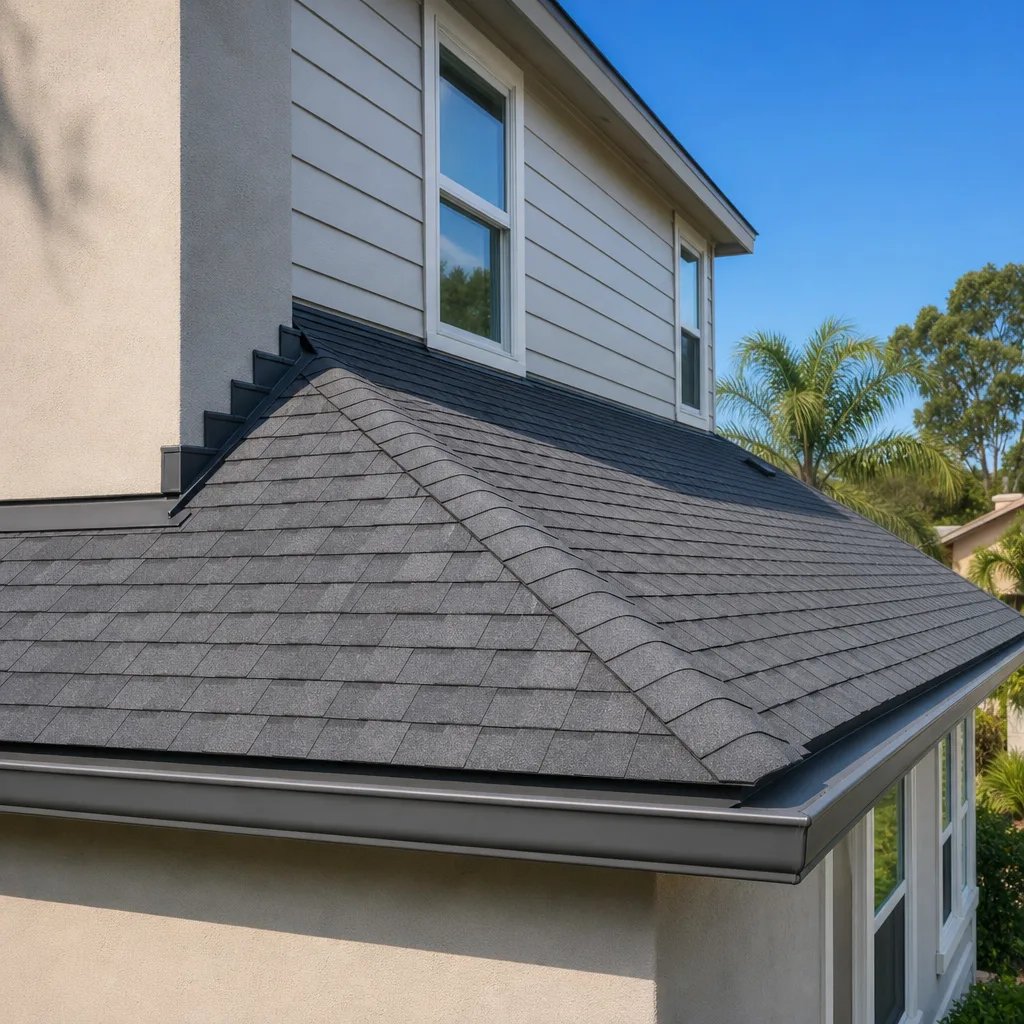
Roof covering. Shingle lines from GAF, CertainTeed, and Owens Corning vary in wind rating, and the installation detail matters as much as the product. A properly fastened roof with the right underlayment handles wind and rain far better than a roof installed to the minimum. The material is part of the equation; the fastening, flashing, and underlayment execution is the rest.
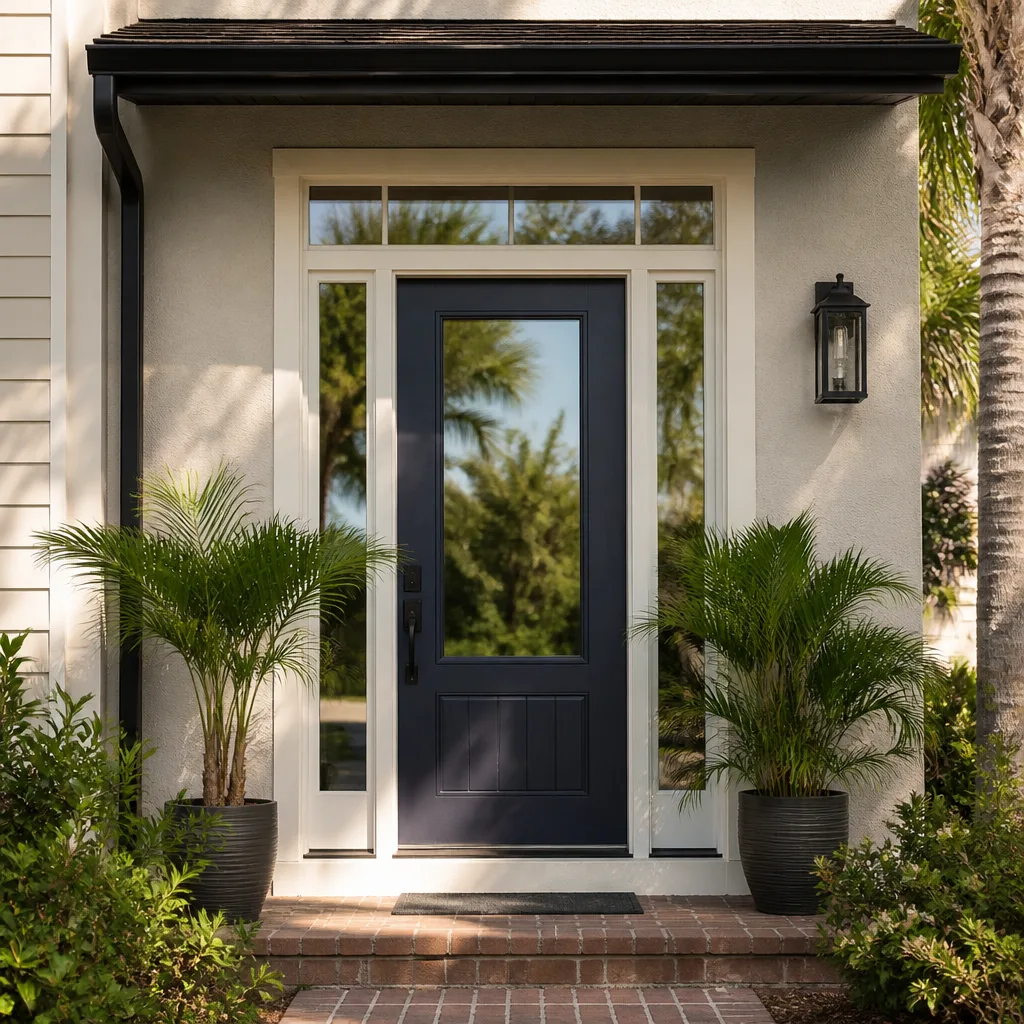
Windows and doors. Impact-rated windows and doors are the single biggest upgrade most Cutler Bay homeowners can make for storm protection. Products from PGT and CGI are built for South Florida conditions, and the difference in how a home handles wind-borne debris and pressure is substantial. Original single-pane windows are a known weak point on almost any older home.
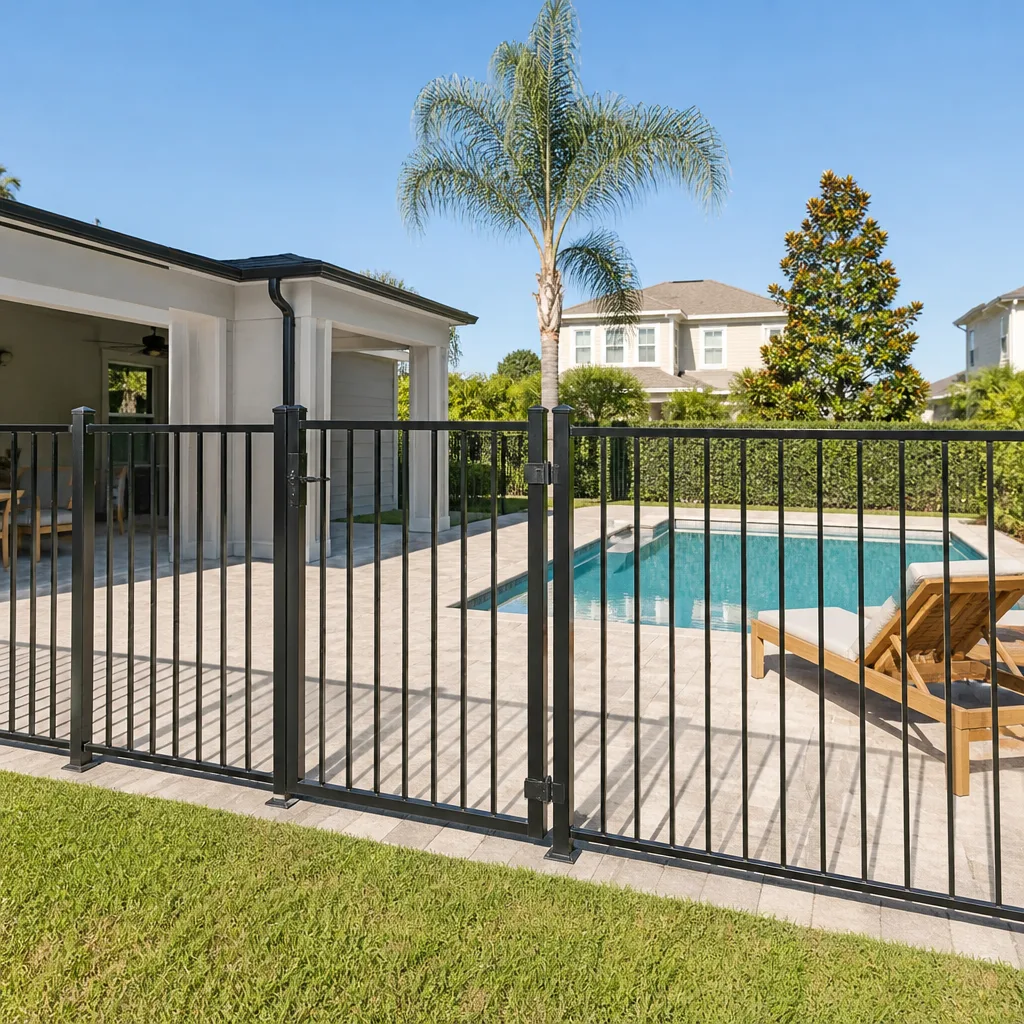
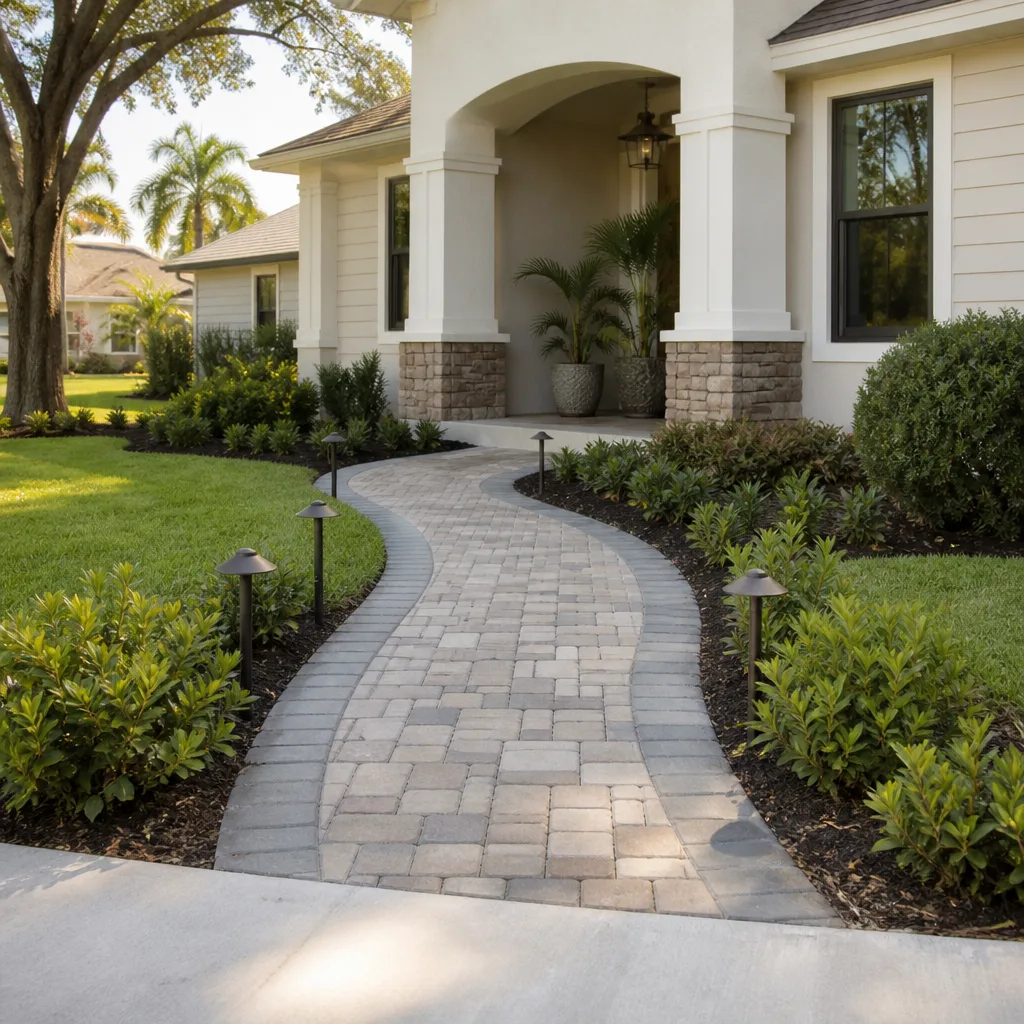
Perimeter and exterior. A paver driveway and a well-installed fence are part of the home’s storm profile too. A fence that fails in wind can become debris; a fence properly anchored and specified for the exposure performs better. When it’s time to make that upgrade, our fence installation work uses lines from manufacturers who build for this climate, and we specify to the home, not to a generic standard.
None of this is about buying the most expensive material. It’s about matching material to exposure and installing it correctly. A well-specified roof on a block home in Cutler Bay will outperform a premium roof installed to the minimum every time.
What Happens When You Call
When storm damage hits, the first call should be to your insurer, and the second should be to a contractor who can move on protective work without cutting corners. Here’s how our process runs.
- You call. We answer 24/7. A call outside dispatch hours is booked into the next opening, Sunday through Friday, 7am to 7pm.
- We assess the damage with you. We walk through what you can see, what you should avoid, and what documentation you already have.
- We photograph and document before any removal. The evidence of the original damage is protected before a repair begins.
- We protect the home from further damage. Temporary measures go in while the claim scope is confirmed.
- You get a written, itemized estimate. The scope, materials, and cost are laid out before the permanent repair.
Our technicians have up to 15 years of experience, and we carry material lines from more than 50 manufacturers, so the repair or upgrade is specified to the home, not to a shortcut. If you’re planning a larger project as part of the recovery, like adding livable square footage, we handle that side too through our home additions & ADU work.
Common Mistakes to Avoid
- Cleaning up before photographing. Once debris is cleared or damaged material is removed, the evidence of what the storm actually did is gone. Shoot first, clean second.
- Signing with a door-knocking contractor. The first offer after a storm is rarely the best one. Verify the license, the insurance, and a local track record before you sign anything.
- Authorizing full repairs before the adjuster arrives. Protect the home from further damage, but leave the scope confirmation to your insurer. Going beyond protection can muddy a claim.
- Forgetting your permit records. If you can’t show what was installed and when, an insurer will question it. Keep the paperwork current before the season.
- Ignoring the construction-type difference. A wood-frame home and a block home need different post-storm priorities. Treating them the same wastes time and money.
- Skipping the off-season audit. Prep done in calm weather is cheap and orderly. Prep done mid-storm is neither.
- Paying a large cash deposit up front. A signed contract with a clear scope and payment schedule is the standard. Cash deposits before a contract are a warning sign.
See the difference
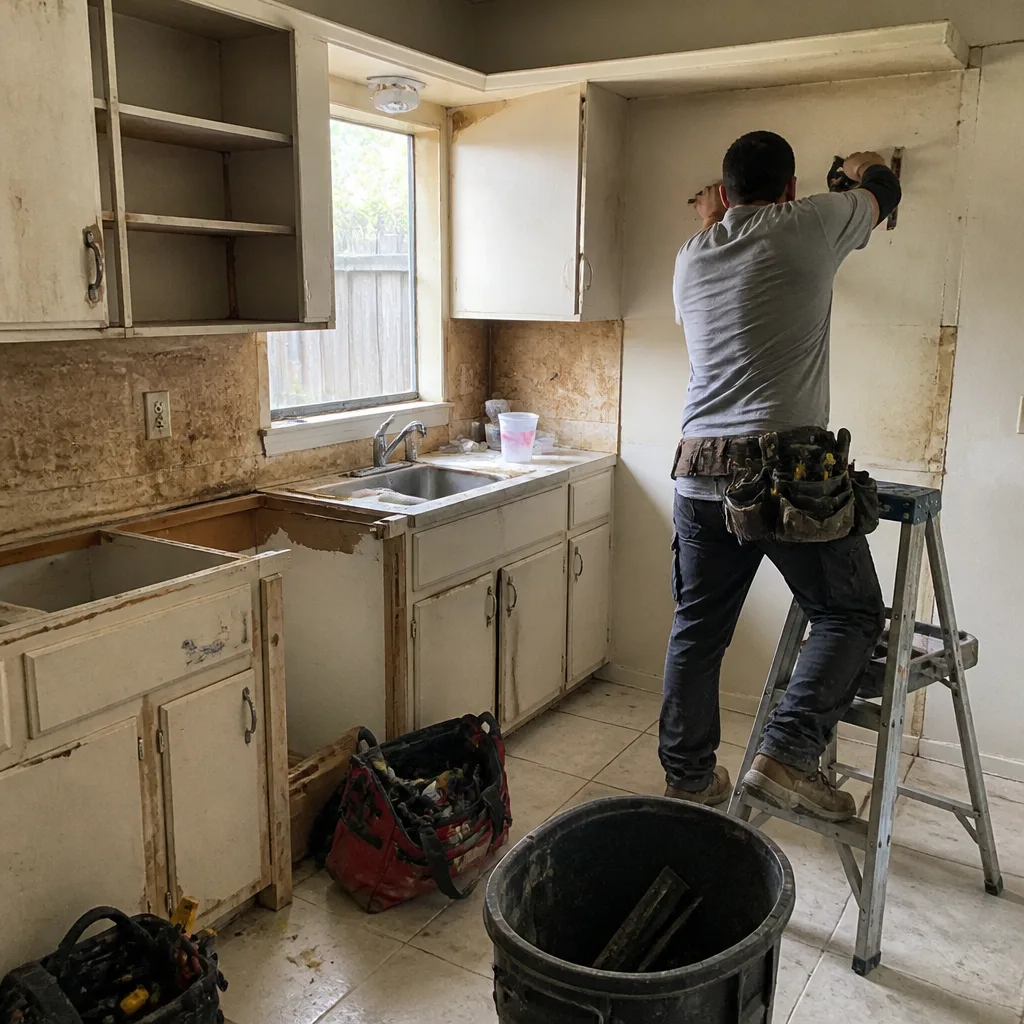 Before
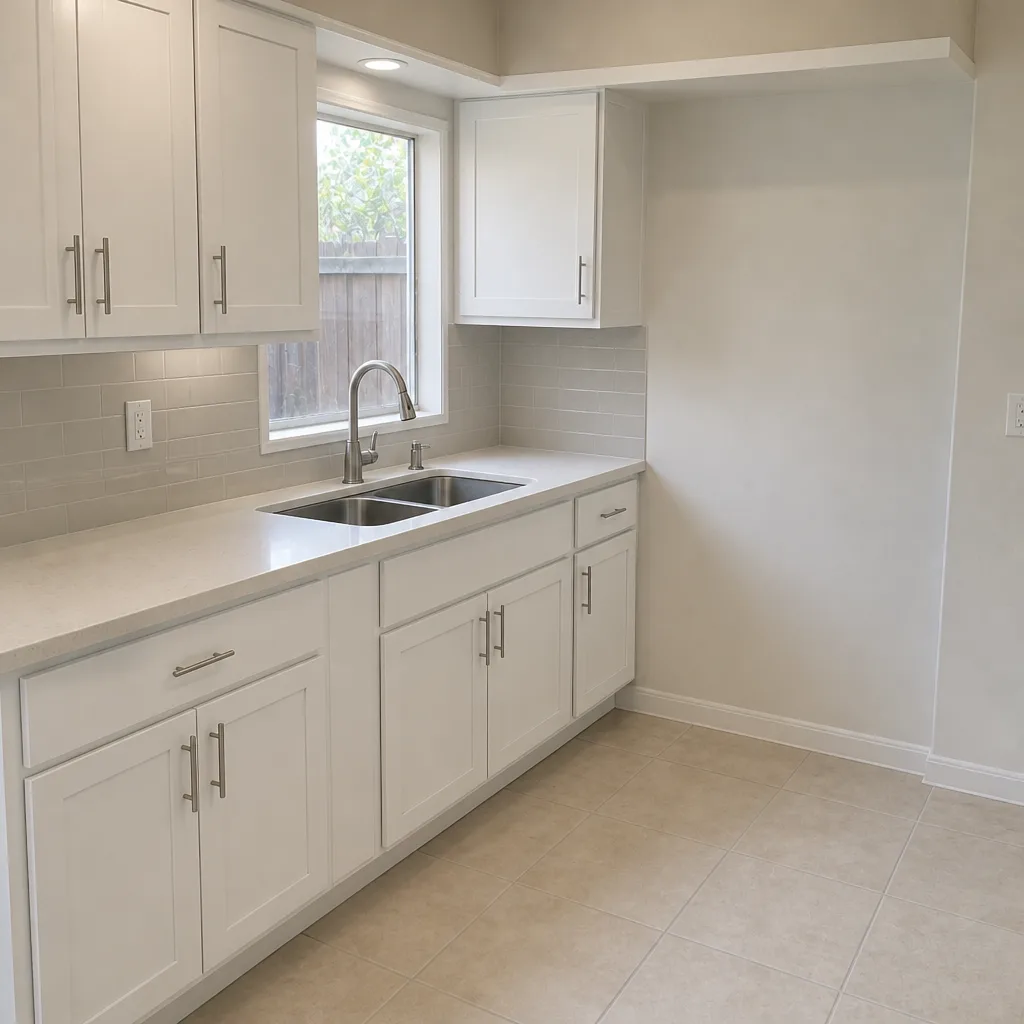 After
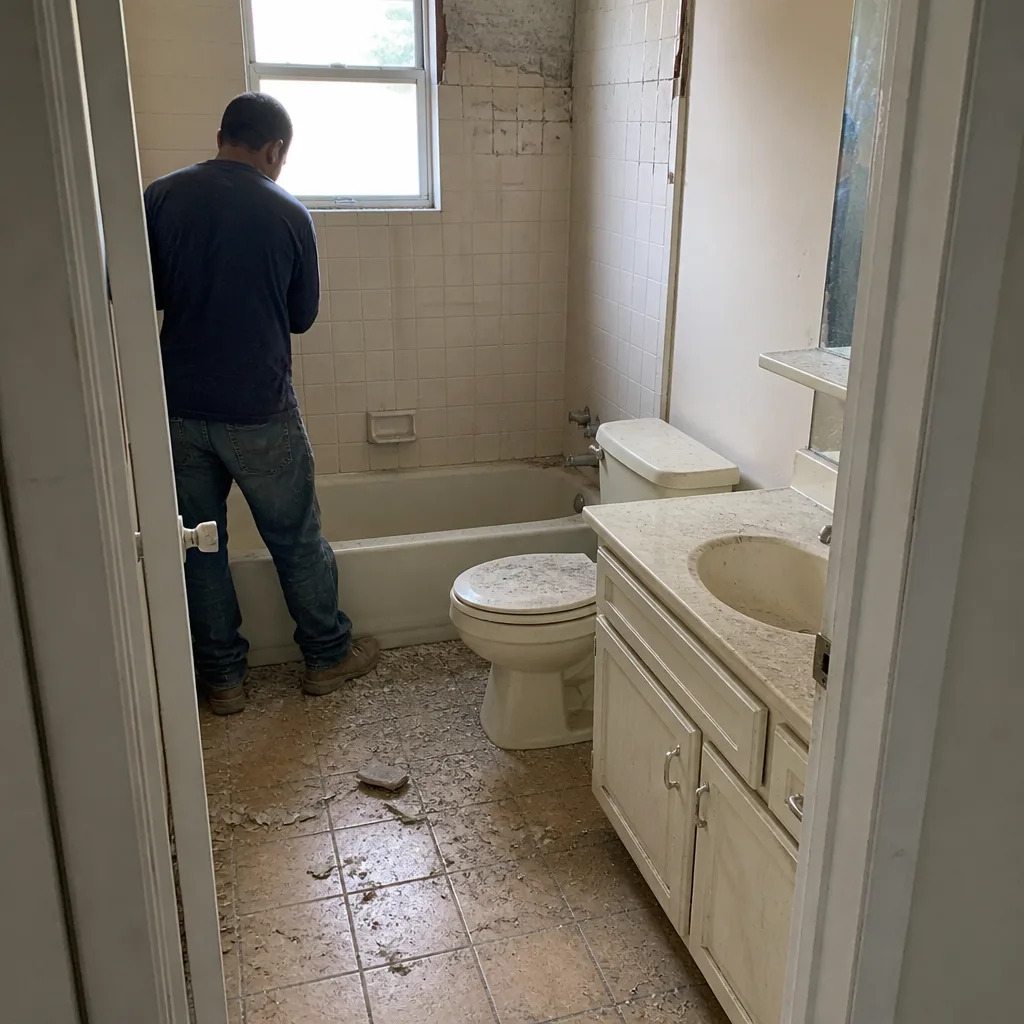 Before
 After
 Before
 After
When to Call a Professional
Call a professional the moment storm damage touches your roof, windows, structure, or any system you can’t safely assess yourself. If you see sagging, water coming in, or a broken opening, that’s a call, not a weekend project. Call us before you remove damaged materials so the documentation is protected. Call us when you’re not sure whether a repair is protective or permanent; we’ll tell you straight. And call us before the season if your audit turns up weak points you want to fix on your own schedule.
Construction Cutler Bay offers free estimates in Cutler Bay. Call (833) 630-5172. We answer 24/7. Fast dispatch from 7am to 7pm, Sunday through Friday.
Frequently Asked Questions

Check for safety hazards, then photograph and video the damage before touching anything. If you smell gas or see structural movement, leave and call the authorities. After the home is safe, document the exterior and interior, then contact your insurer to report the loss. Photographing before cleanup protects your claim.
You can take reasonable steps to prevent further damage, like tarping a roof or boarding a window, and you should keep receipts and photos of what you did. Permanent repairs and scope changes should wait for the adjuster. The exact boundary can depend on your policy, so ask your insurer directly. Call (833) 630-5172 if you need protective work documented and done.
Verify the state license, ask for proof of insurance, and get a written, itemized estimate before any work starts. Storm-chasers typically knock unsolicited, demand large cash deposits, and pressure you to sign on the spot. Legitimate contractors hand over paperwork without hesitation. If the license or insurance can’t be produced, keep looking.
Yes. CBS block homes often need roof covering and window replacement after storm damage, while wood-frame homes can require opening walls to dry and check the structure after water intrusion, which adds cost and time. The construction type shapes both what fails and how much the repair runs.
Keep dated photos of your roof, walls, windows, doors, and fence, plus permit records for every major improvement and a home inventory of high-value contents. Store them off your phone in cloud storage. Having this ready turns a claim conversation from weeks of searching into minutes.
Yes. We handle roofing, windows and doors, driveway and pavers, fencing, kitchen and bath remodeling, and home additions and ADUs under one contractor, so the emergency repair and any larger project afterward run through the same accountable team. Call (833) 630-5172 for a free estimate.
The Bottom Line
Storm preparedness for a Cutler Bay home isn’t about how many tarps you own. It’s about knowing your construction type, documenting your systems and permit records before the season, and following a clear inspection sequence after a storm so your claim is protected. Document before you repair, verify every contractor before you sign, and keep protective work separate from permanent repairs. Do that, and a bad storm becomes a manageable project instead of a scramble. One contractor who understands every layer of the home makes the whole sequence faster and cleaner.
Call (833) 630-5172 for a free estimate. Written line-item quotes, fixed pricing, permits pulled and inspections passed, and work we stand behind.
Written by the team at Construction Cutler Bay.