Last updated November 17, 2026




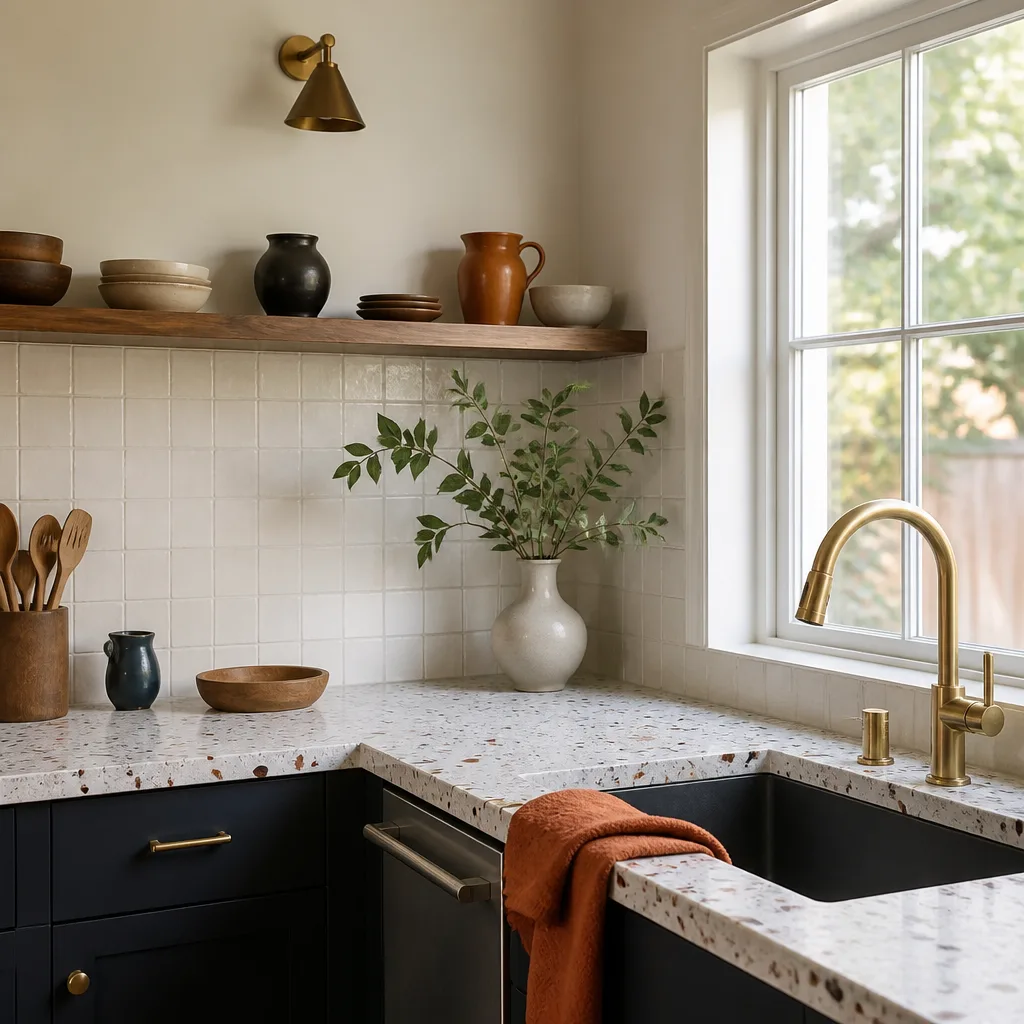
Free written scope consultation - allowances, timeline, and change-order rules on paper before a single trade is scheduled
DIY vs Professional Construction: The Cutler Bay Homeowner’s Decision Guide
Most homeowners in Cutler Bay approach the DIY-versus-contractor question the same way: they ask whether they are skilled enough to handle the job. That framing misses the real issue. In Florida, a homeowner can legally pull their own permit and perform their own construction in many cases, which means capability is rarely the legal boundary. The boundary is inspection. If the work fails inspection, or if it was never permitted in the first place, your insurance company can later treat the issue as a maintenance defect and deny a claim tied to that system. This guide walks through what Florida’s owner-builder rules actually allow, which Cutler Bay projects are genuinely wise to self-perform, and where the hidden code and insurance exposure lives.
Quick Answer
Some Cutler Bay construction projects are genuinely DIY-viable, mostly cosmetic work that touches no structural, electrical, gas, or product-approval system. Anything that requires a permit, involves hurricane product approval, or connects to a system your insurance policy covers should go to a licensed contractor who pulls the permit, manages inspections, and preserves your manufacturer warranties. The decision is less about whether you can swing a hammer and more about whether you can absorb the inspection and insurance risk if the work doesn’t pass.
Styles & brands we work with
- Kitchen remodeling
- Bathroom remodeling
- Home additions & ADU
- Roofing
- Windows & doors
- Driveway & pavers
- Fence
Table of Contents
- What Florida’s Owner-Builder Exemption Actually Allows
- The Disclosure Requirement When You Sell
- Project-by-Project: What’s DIY-Viable in Cutler Bay
- Why Hurricane Product Approval Changes the Math
- The Real Cost Comparison: DIY vs Licensed
- Which DIY Installs Void South Florida Product Warranties
- What Happens When a DIY Job Fails Inspection
- How to Choose the Right Path
What Florida’s Owner-Builder Exemption Actually Allows
Florida law generally permits a homeowner to build or improve a structure on their own property for their own use without holding a contractor’s license. That’s the owner-builder exemption, and it is narrower than it sounds. It applies only to a single-family residence the owner occupies, and only where the owner is doing the work personally. The moment you hire someone to help, the exemption starts to wobble, because the person you hired may need a license to perform that scope.
Here’s what the exemption practically allows for a Cutler Bay homeowner:
- Pulling a permit in your own name as the owner-builder for work on your primary residence.
- Performing the physical work yourself, without a contractor’s license.
- Scheduling and attending the required inspections tied to that permit.
- Taking responsibility for code compliance on every element of the scope.
And here’s what it doesn’t allow:
- Hiring unlicensed helpers to do work that requires a licensed contractor under Florida law.
- Using an owner-builder permit on a rental, investment property, or second home.
- Avoiding the inspection process because you performed the work yourself.
- Sidestepping product approval requirements for hurricane-rated assemblies.
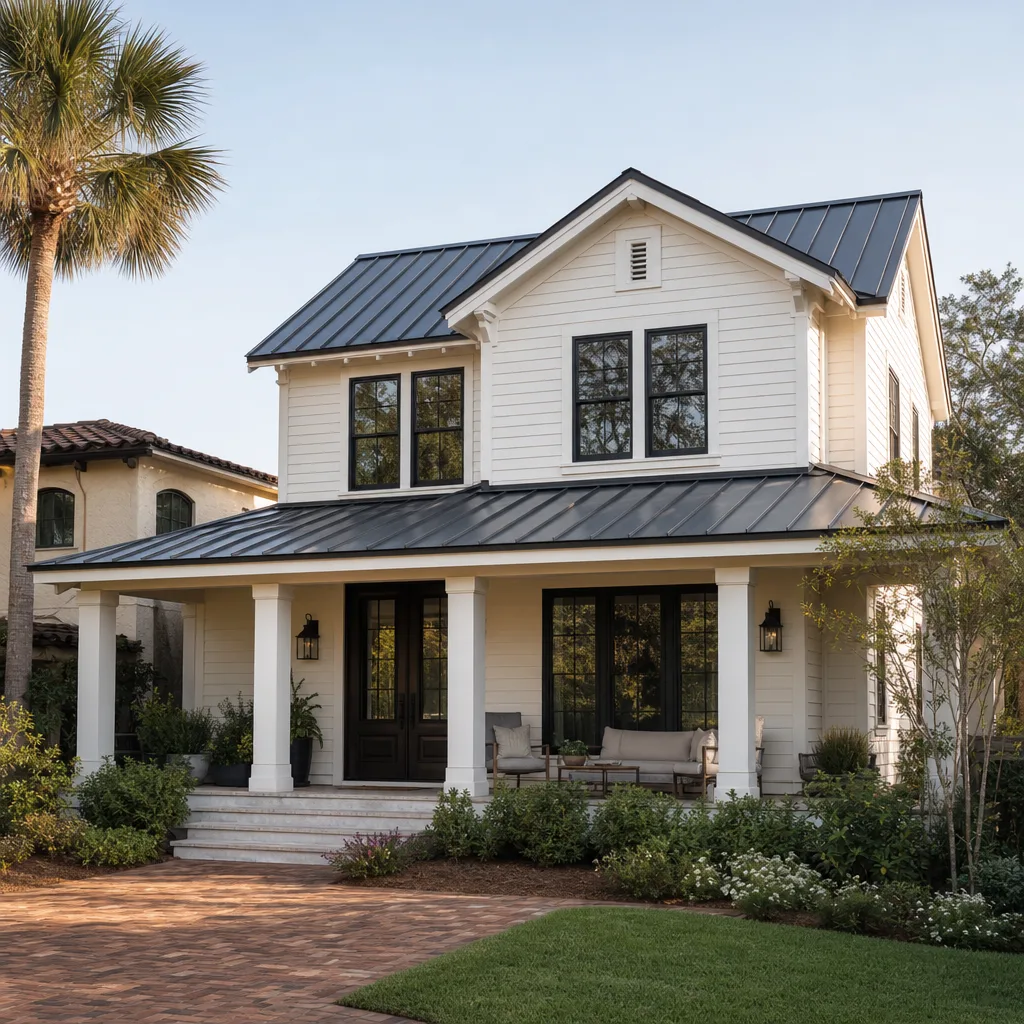
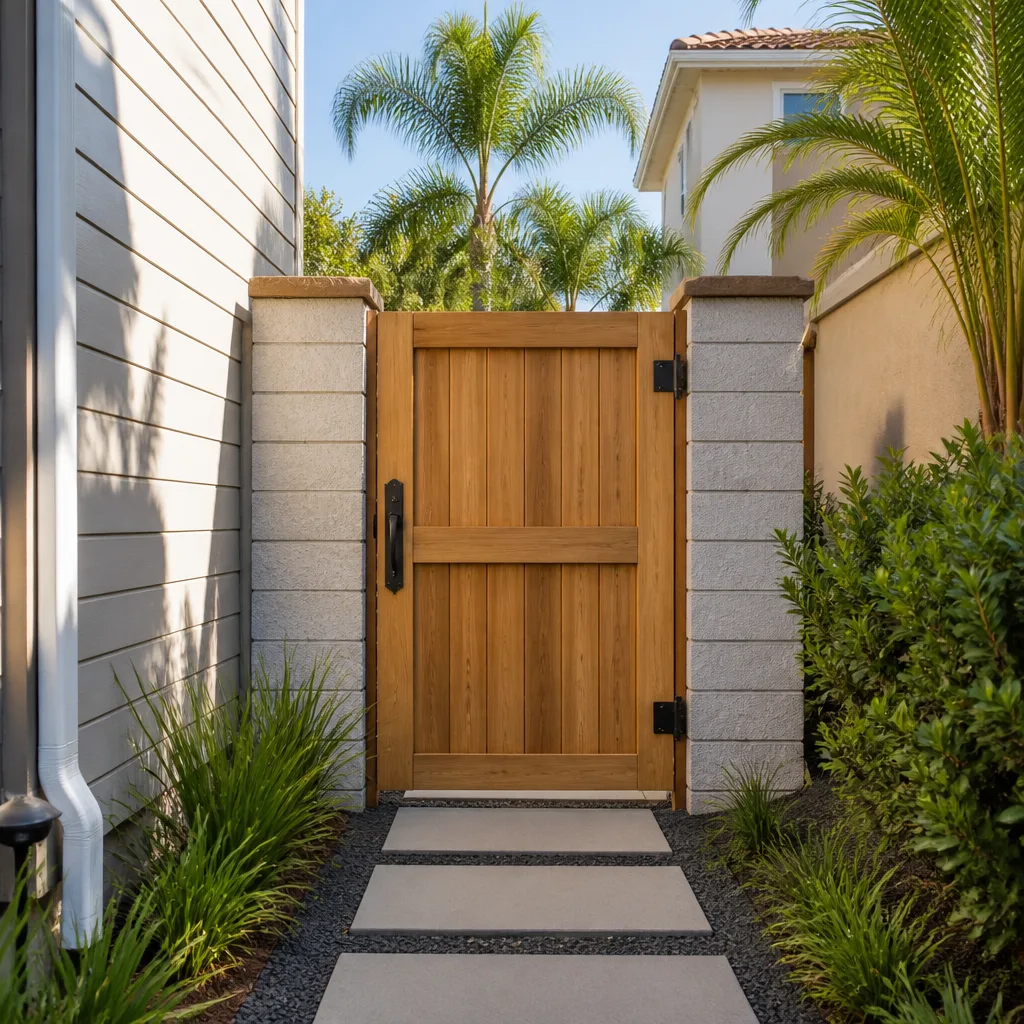
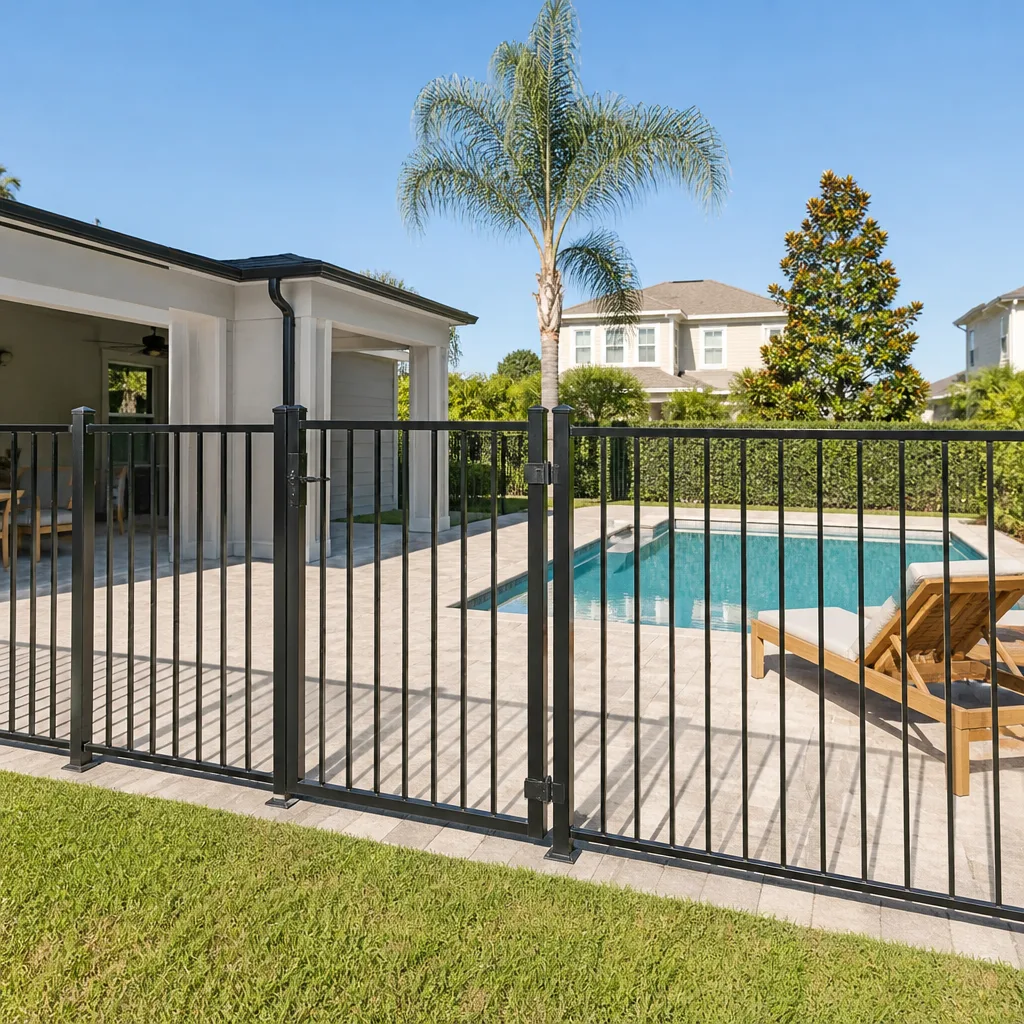
For a Cutler Bay homeowner considering a fence, a paver patio, or a small interior upgrade, the exemption is real and usable. For roofing, window replacement, or anything touching a structural or storm-rated assembly, the exemption is technically available but practically limited, because the inspections are unforgiving and the product approvals are strict. If you want to see how a licensed path looks for the perimeter work that most often gets a permit pull, our team handles fence installation under the same inspection and product rules you’d face on your own.
The Disclosure Requirement When You Sell
The owner-builder exemption carries a detail many homeowners discover only at closing: Florida requires a disclosure statement when an owner-builder sells a property they built or substantially improved under the exemption, often within a defined window of completion. That statement tells the buyer the work was performed by an owner-builder rather than a licensed contractor. It exists because the buyer inherits the code and permit history of the work, and the state wants that visible.
Why this matters in Cutler Bay specifically comes down to the market. Many homes here are bought by families who plan to hold for a decade or more, but plenty are bought as first or second homes that turn over. If you plan to sell within a few years, the disclosure adds a document to your closing file and can prompt extra buyer scrutiny or a repair request on the portions you self-performed. A contractor-pulled permit with inspection records, by contrast, is an asset in the transaction. It signals the work was reviewed by the local building department and passed.
If you’re weighing an owner-builder permit on something like a new addition or a major rebuild, it’s worth asking your real estate professional how the disclosure reads for your timeline. For most multi-trade projects, the simpler path for resale is a contractor-recorded permit file, and that’s what you get when a licensed team carries the project from start to inspection.
Project-by-Project: What’s DIY-Viable in Cutler Bay
The skill question is different from the legal and insurance question, and Cutler Bay’s climate and code environment add a third layer. Here’s how the most common residential scopes break down by realistic DIY viability.
Genuinely DIY-Viable
- Interior paint, trim, and drywall patching where no permit is required and no system is touched.
- Landscaping, sod, and planting away from utility lines.
- Cabinet and fixture swaps in a kitchen where the plumbing and electrical connections aren’t moved.
- Furniture assembly, closet shelving, and basic storage installs.
- Pressure washing, sealing, and routine maintenance.
Technically Legal but Practically Risky
- Tile and flooring installs where the subfloor is sound and no permit is triggered.
- Fence installation when the scope is a like-for-like replacement and no HOA restrictions apply.
- Paver repair or small patio extensions where the base preparation is straightforward.
- Shade structures and small detached storage where the scope fits under an exempt permit threshold.
Leave These to a Licensed Contractor
- Roof repair or replacement, particularly anything affecting the underlayment, flashing, or deck attachment.
- Windows and doors, where hurricane product approval and impact rating are required.
- Electrical panel work, gas line connections, and any rewiring.
- Structural changes: wall removal, beam installation, room additions, and ADU builds.
- Kitchen and bathroom remodels that move plumbing or electrical.
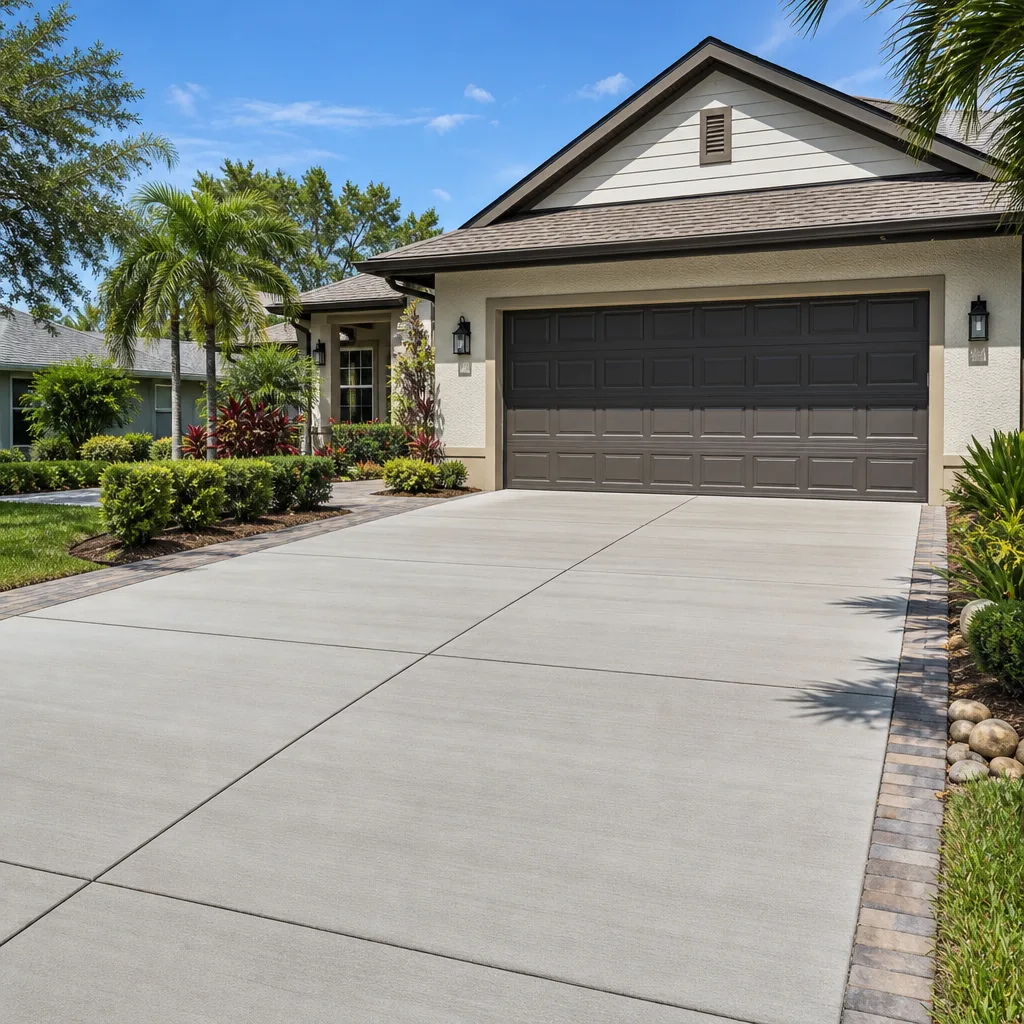
The pattern is clear: if the work touches a system your insurance policy covers (roof, windows, electrical, plumbing, structure), the risk of DIY is disproportionately high. If the work is cosmetic and permitted nowhere, the risk is proportionate to your skill. Our team regularly walks Cutler Bay homeowners through this exact split on driveway & pavers work, where some elements are DIY-friendly and the base preparation and edge restraint often are not.
Why Hurricane Product Approval Changes the Math
In Miami-Dade County, products used on the building envelope must be approved through the county’s product control process, and those approvals govern whether the assembly is rated for the wind pressures it will face. That requirement doesn’t disappear because you happen to be installing the product yourself as an owner-builder. The inspector checks for the approval documentation on the label and the installation detail on the drawings, and if either is missing or incorrect, the inspection fails.
For a Cutler Bay homeowner, this shows up most often on two projects: window replacement and roofing. On windows, the approved product must be installed to the manufacturer’s published detail, with correct anchoring, flashing, and seal. On roofing, the underlayment, the attachment pattern, and the edge metal all have product and code requirements that must be documented. Installing a product you bought off a truck bed with no approval label is a common failure point, and inspectors in this county know what they’re looking for.
This is also one reason we specify from brands with strong approval documentation on both the roofing and window sides of the work. A GAF Timberline or CertainTeed Landmark assembly carries the product data the inspector needs, and PGT and CGI windows are specified with the approval documentation included. When a homeowner tries to replicate the install with unapproved materials, the labor spent is wasted the moment the inspector rejects the assembly.
If you’re planning a roof or window project and want to understand how the approval process plays out in practice, that’s exactly what the construction team handles on every job. The same approach applies when we bring in prefab ADU systems from manufacturers like Boxabl or Mighty Buildings, where the module’s own approvals have to line up with the site work and the local building department’s review.
The Real Cost Comparison: DIY vs Licensed
Most DIY-vs-contractor comparisons look at the material receipt versus the contractor invoice. That’s an incomplete picture. A fair cost comparison includes your time, tool and equipment costs, the permit and inspection fees, the risk of re-inspection, and the cost of any rework the inspector triggers. Here’s the framework we use when a Cutler Bay homeowner asks us to help them think it through.
How to Build the Real Number
- Material cost: the same whether you buy it or we buy it, though brand and product line change significantly.
- Your time: honest hours at your own hourly value, including planning, sourcing, and clean-up.
- Tool and equipment rental: scaffolding, saws, nailers, and lifts often run into the hundreds on a multi-day job.
- Permit and inspection fees: the same whether you pull the permit or a licensed contractor does.
- Re-inspection risk: each failed inspection adds a fee, a delay, and possibly rework.
- Insurance exposure: an unpermitted or failed system can trigger a claim denial later, which no receipt captures.
- Resale disclosure: the documentation difference that shows up at closing.
For a cosmetic job, the licensed side of the equation carries a real premium that some homeowners legitimately don’t need to pay. For a system job, the licensed side costs more up front and often costs less overall because the inspection, warranty, and insurance risk are handled in the contract. That’s why our written estimates always list what’s included, including permit pull, inspection management, and the warranty terms, so the homeowner can compare apples to apples.
Our technicians have up to 15 years of experience across these scopes, and the numbers we quote for a Cutler Bay project are based on what those jobs actually run when the permit and inspection are handled properly. The written estimate sets the final price, and it’s free.
Which DIY Installs Void South Florida Product Warranties
This is the area where DIY costs the most and shows the least, because the loss is invisible until a failure happens years later. South Florida product warranties almost always condition coverage on installation by a qualified or licensed installer, following the manufacturer’s published detail. If the installer is the homeowner, the manufacturer is not obligated to honor a defect claim on the assembly, even if the product itself is fine.
The most common voided warranty situations we see in Cutler Bay:
- Roof underlayment: most shingle and tile warranties require the underlayment to be installed by a qualified installer to the manufacturer’s published detail. A homeowner install, or an install by an unlicensed helper, typically voids the assembly warranty.
- Impact window seals: the seal and flashing detail is part of the approved installation. A DIY install often leaves a seal defect that voids the weatherproofing and impact warranty.
- Paver joint sand: polymeric and stabilized joint sands have specific installation and curing requirements. Improperly installed joint sand void the manufacturer’s coverage and fail sooner in this climate.
- Cabinetry and countertops: KraftMaid, Wellborn, Cambria, Silestone, and Caesarstone products assume professional installation to the published detail, and the warranties are tied to that assumption.
- Fencing: aluminum and steel systems from lines like Ameristar and Jerith rely on installers following the post-setting and anchoring instructions for warranty coverage to apply.
The practical implication is that a DIY install doesn’t just risk inspection failure; it risks the warranty on the materials themselves. If you’re choosing a premium product, the warranty is part of what you paid for, and the installation detail is what protects it. That’s the reasoning behind specifying from approved brand lines and installing to spec on the projects we carry.
What Happens When a DIY Job Fails Inspection
A failed inspection is not the end of the world, but it is a specific and often costly step. The homeowner receives a correction notice listing the deficiencies, the permit stays open, and a re-inspection is scheduled after corrections. The problems compound when the failure involves a product approval or a structural detail that can’t be corrected without removing finished work.
- Correction notice: the inspector lists what failed and what’s required to pass.
- Rework: the homeowner or a hired professional corrects the deficiencies, sometimes by removing and reinstalling a system.
- Re-inspection fee: a fee applies to the return visit, and additional correction cycles add more.
- Documentation trail: the failed inspection stays with the permit record and can surface at resale or in an insurance review.
If the failure involves a roof, window, or structural element, the correction cost is the most visible part, but the insurance implications are the bigger concern. An insurance claim tied to a system that failed inspection years later invites a dispute over whether the damage resulted from the failed work or from a separate cause. In Cutler Bay, where storm exposure is a live concern, that dispute is a real risk.
How to Choose the Right Path
The decision comes down to a short set of questions. Run through them before you commit to either path.
- Does the scope require a permit? If yes, plan for the inspection process regardless of who performs the work.
- Does the scope touch a system your insurance policy covers? Roof, windows, structure, electrical, and plumbing all qualify.
- Does the product carry a hurricane approval requirement? If yes, the assembly must be installed to spec, and the documentation must be complete.
- Will the work show up in a resale disclosure? Owner-builder work often does, and the documentation gap can affect the sale.
- Does the product warranty depend on professional installation? Most South Florida premium product lines do.
If any answer triggers a yes, the licensed path makes sense. If they all come back no, self-performing is a reasonable option. We’d rather walk a homeowner through this math honestly than sell a service they don’t need, and our free estimate includes the line-item breakdown so the comparison is complete.
Common Mistakes to Avoid
- Treating the owner-builder permit as a free pass on inspections. The permit doesn’t exempt you from the inspection schedule; it shifts the compliance responsibility to you.
- Hiring unlicensed helpers under an owner-builder permit. The exemption covers the owner’s own work, not paid unlicensed labor, and that gap can void the permit and the insurance coverage.
- Buying unapproved envelope products for a window or roof install. Miami-Dade’s product approval process requires documented products, and an unapproved assembly fails inspection no matter how carefully it’s installed.
- Assuming a DIY warranty is fine because the product is fine. Most South Florida product warranties are conditioned on professional installation, and the loss is invisible until a claim is made.
- Skipping the base preparation on a paver install. The visible failure is always on top, but the fix is almost always in the base, and redoing the base means removing the finished pavers.
- Pulling an owner-builder permit on an investment or rental property. The exemption is tied to the owner-occupied primary residence, and using it elsewhere creates legal exposure.
- Assuming the resale disclosure won’t matter because the sale is years away. The permit record and disclosure requirements follow the property, not the calendar.
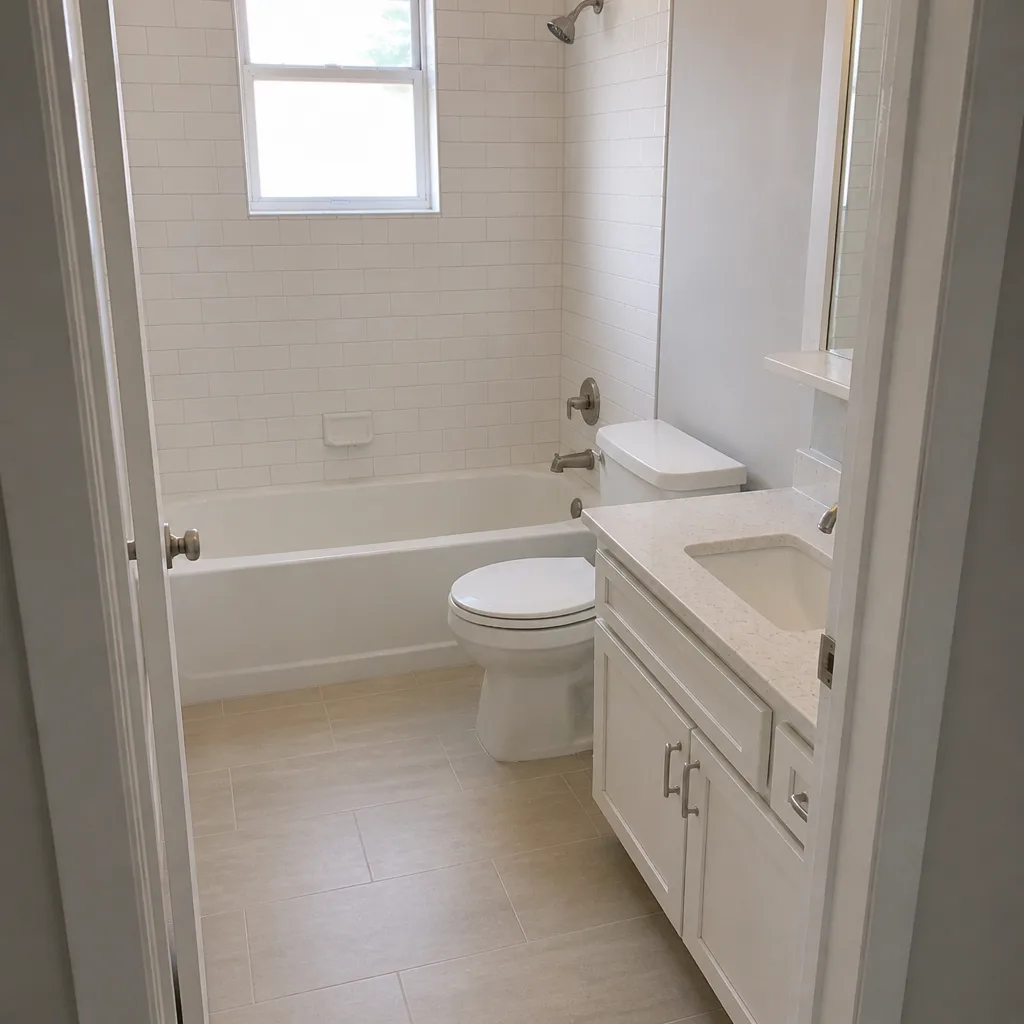
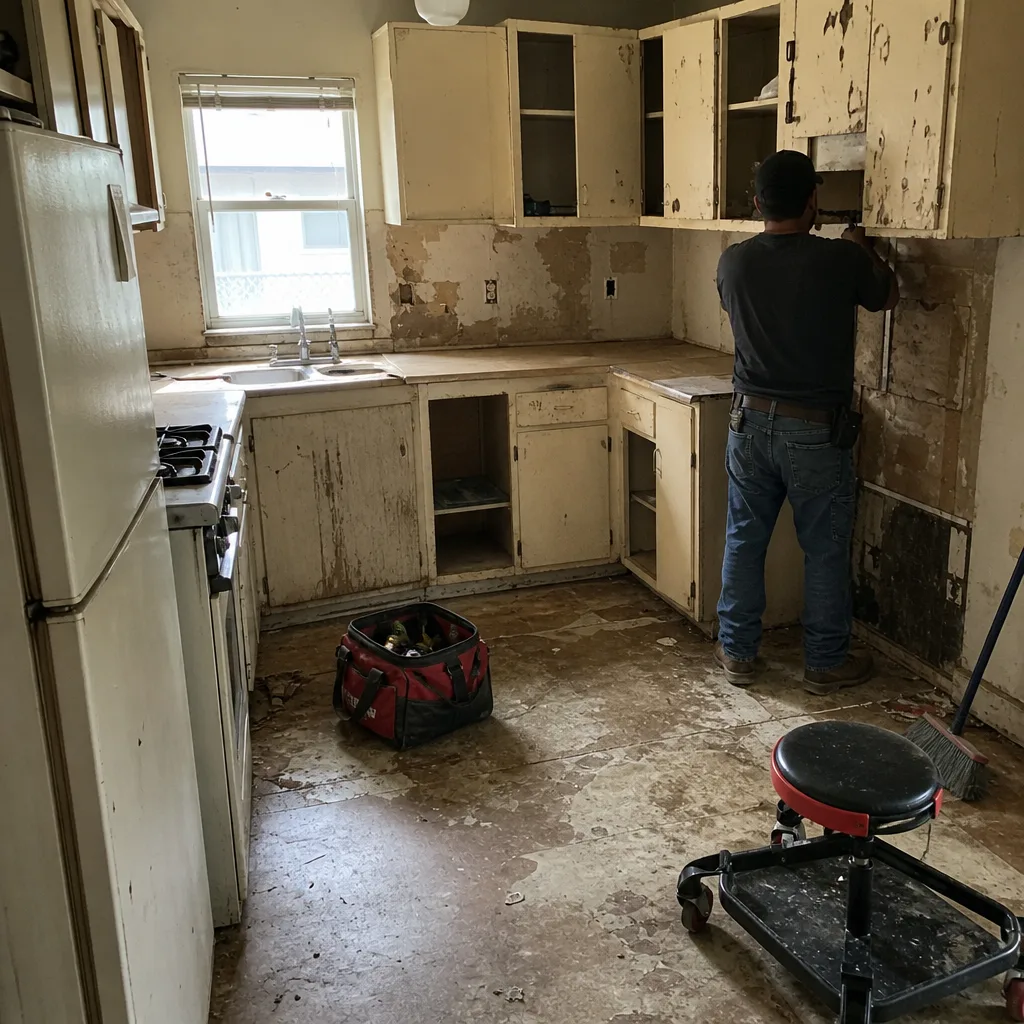
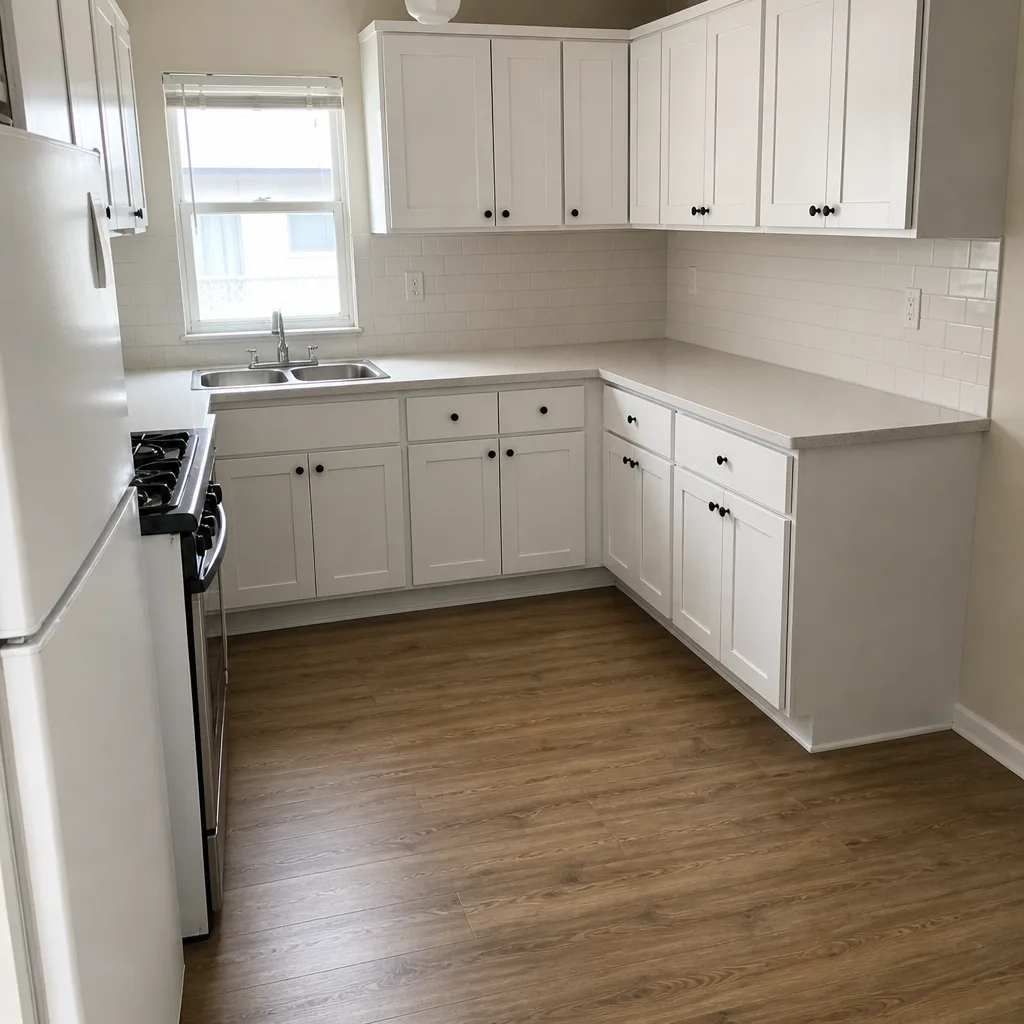
See the difference
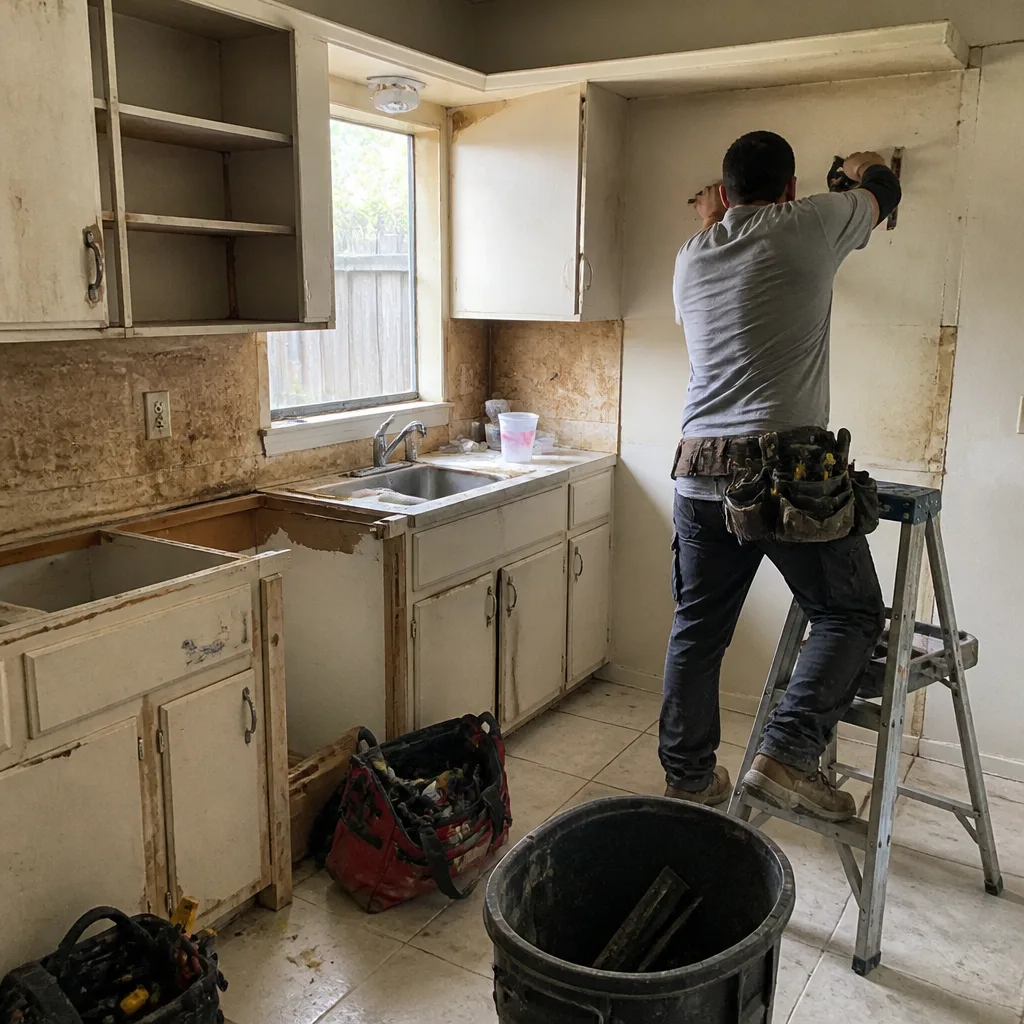 Before
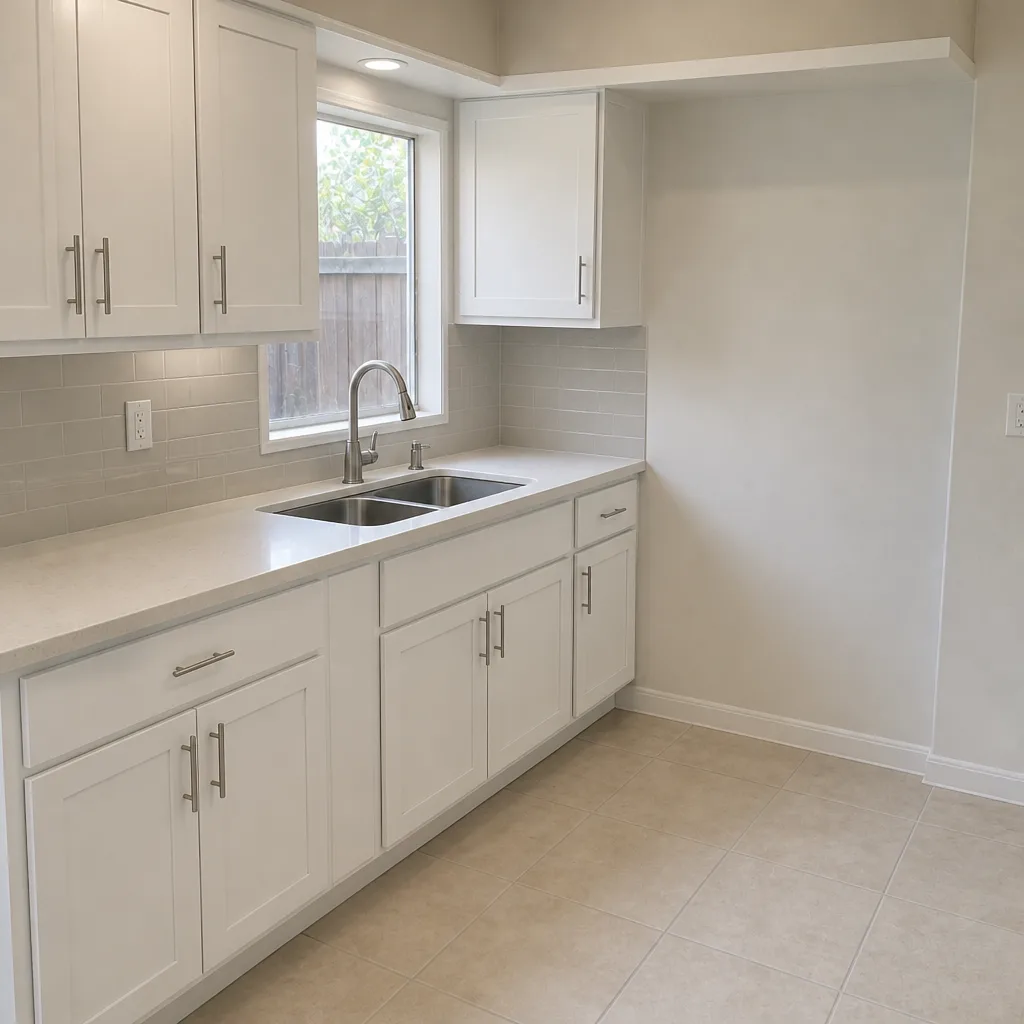 After
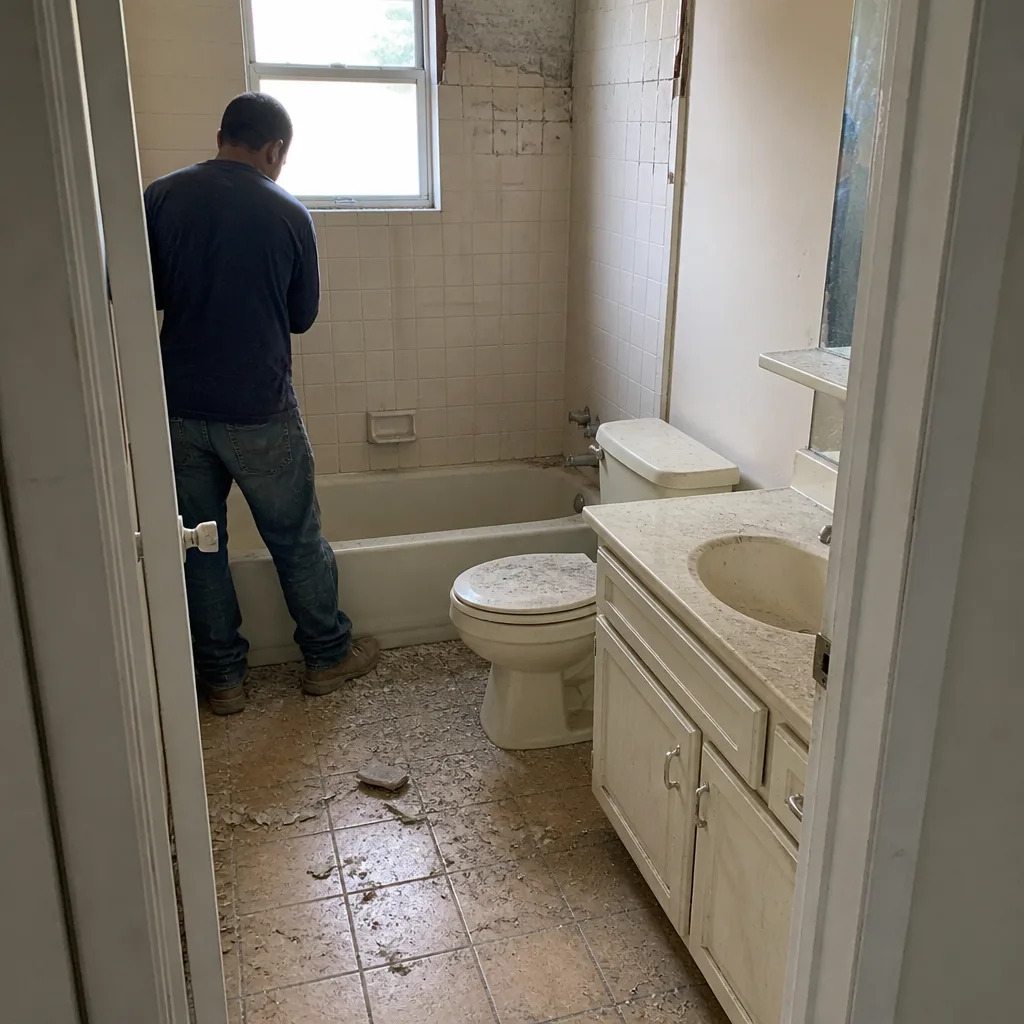 Before
 After
 Before
 After
When to Call a Professional
Call a licensed contractor when the scope touches a permitted system, when a hurricane product approval applies, or when the work will appear in a resale disclosure. The specific trigger points in Cutler Bay are roof and window replacement, any structural change including a home addition or ADU build, kitchen and bathroom remodels that move plumbing or electrical, and any job where the manufacturer’s warranty depends on a professional install. If you’re not certain which side of the line your project sits on, that’s exactly the conversation a free estimate covers. Construction Cutler Bay offers free estimates in Cutler Bay, and our team can tell you plainly whether a project fits a DIY path or needs us to carry the permit and inspection. Call (833) 630-5172 to schedule yours. We answer 24/7. Fast dispatch from 7am to 7pm, Sunday through Friday. Our technicians have up to 15 years of experience across these trades.
Frequently Asked Questions
Yes, in many cases. Florida’s owner-builder exemption lets a homeowner perform construction on their own primary residence without holding a contractor’s license, provided the work is performed personally and the required permits and inspections are obtained. The exemption does not cover rental or investment properties, and it does not exempt the work from inspection or product approval requirements. Call (833) 630-5172 for an exact quote if you’d like to compare the licensed path.
The inspector issues a correction notice listing the deficiencies, the permit stays open, and a re-inspection is required after corrections. Re-inspection fees apply to each return visit, and a failure on a roof, window, or structural assembly can require removing finished work to correct. A failed inspection also stays on the permit record and can surface at resale or in an insurance review. Call (833) 630-5172 for a free estimate on getting the work corrected and documented.
It can. Insurance companies generally require that work on covered systems be permitted and inspected, and an unpermitted or failed system can be treated as a maintenance defect when a later claim is made. The claim denial risk is highest on roofs, windows, electrical, plumbing, and structural work. If you’re unsure whether your DIY scope creates exposure, call (833) 630-5172 for an honest assessment.
Because the inspector checks for approved product documentation and installation to the published detail, not just the finished appearance. A window or roof assembly that uses unapproved materials or doesn’t follow the approved anchor and flashing detail fails inspection regardless of how carefully it was installed. The approval documentation is part of the permit file. Call (833) 630-5172 to schedule a free estimate on a documented, approved install.
When a homeowner sells a property they built or substantially improved under the owner-builder exemption, Florida requires a disclosure statement telling the buyer the work was performed by an owner-builder rather than a licensed contractor. The disclosure is tied to the permit history and follows the property. It’s one of the reasons a contractor-recorded permit file is often the simpler path for resale. Call (833) 630-5172 to talk through your project.
Construction Cutler Bay offers free estimates for the full range of residential work, from roofing and windows to kitchens, bathrooms, driveways, fencing, and additions. The written line-item estimate lists what’s included, including permit pull and inspection management, so you can compare it against the DIY path fairly. Call (833) 630-5172 to schedule. We answer 24/7. Fast dispatch from 7am to 7pm, Sunday through Friday.
The Bottom Line
The DIY-versus-professional decision in Cutler Bay is a permit, insurance, and warranty question before it is a skill question. Cosmetic work that touches no system and requires no permit is genuinely viable to self-perform. Permitted work that touches a covered system, requires hurricane product approval, or carries a manufacturer warranty conditioned on professional install should go to a licensed contractor who pulls the permit and manages the inspections. The licensed path costs more up front and protects the insurance claim, the resale file, and the warranty. When you’re ready to price it, we’ll walk you through the scope honestly and put the numbers in writing.
One contractor can carry the whole project, and on a Cutler Bay home that often means the difference between a clean inspection file and a repair cycle. Whether your scope is a roof, a home addition & ADU, a kitchen, or a perimeter upgrade, the same team that handles permits and inspections can specify the right brands and install to spec. Learn more about Construction Cutler Bay and the breadth of work the team carries.
Ready to get an exact, written number? Call (833) 630-5172 for a free estimate. We answer 24/7. Fast dispatch from 7am to 7pm, Sunday through Friday. Estimates are free, the price is set per job by the written estimate, and our technicians have up to 15 years of experience.
Written by the team at Construction Cutler Bay.