
Last updated November 17, 2026






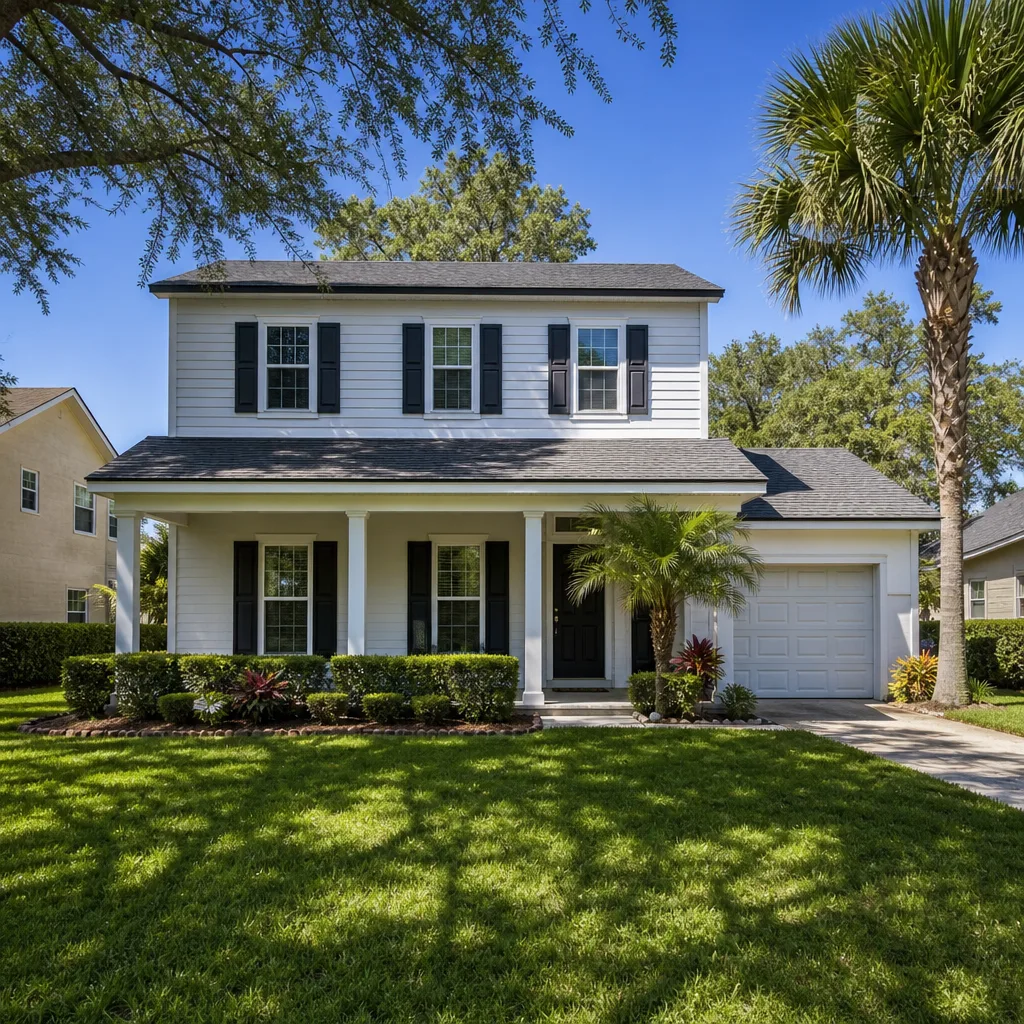

Free written scope consultation - allowances, timeline, and change-order rules on paper before a single trade is scheduled
How to Hire a Construction Contractor in Cutler Bay: A Step-by-Step Guide
Most homeowners start vetting contractors at the wrong moment. They collect three bids, scan reviews, pick the middle number, and only later learn that the license on the estimate didn’t actually cover the roofing portion, or that the trades were subbed out to outfits nobody had looked into. In Cutler Bay, where a single home can need pavers, a fence, a new roof and a kitchen all in the same year, that mistake is expensive to undo once the permit is already pulled. This guide walks through the order that actually works: define the scope, confirm the license classification, read the permit record, then ask for the bid. You’ll finish knowing exactly what to ask, what to read, and what should make you slow down.
Quick Answer
To hire a construction contractor in Cutler Bay, define your scope in writing first, then verify that the contractor’s Florida license classification actually covers every trade in that scope, then check the Miami-Dade permit portal for their real pull history, and only after that request a written, line-item estimate. Sign nothing until you have their Certificate of Insurance naming you, a scope-of-work document with allowances spelled out, and a payment schedule tied to completed milestones rather than to a calendar.
Styles & brands we work with
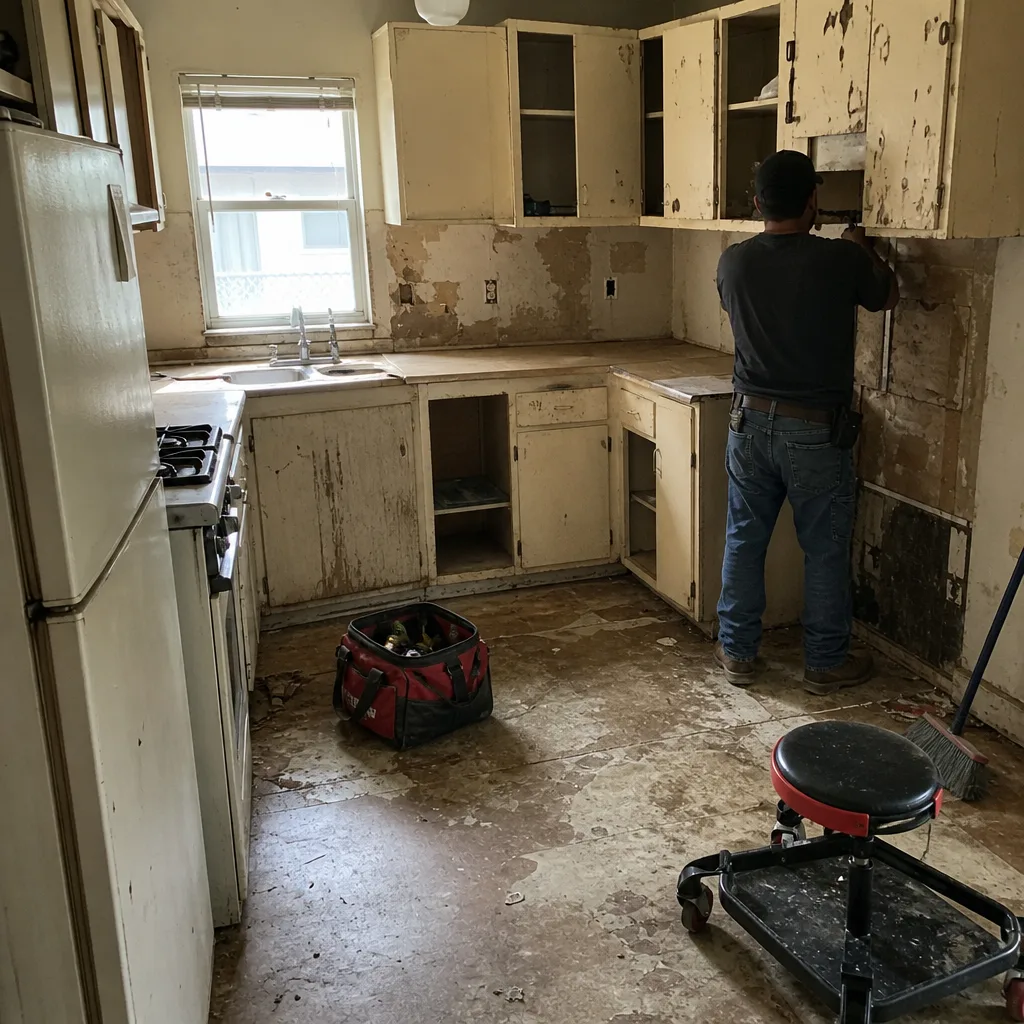
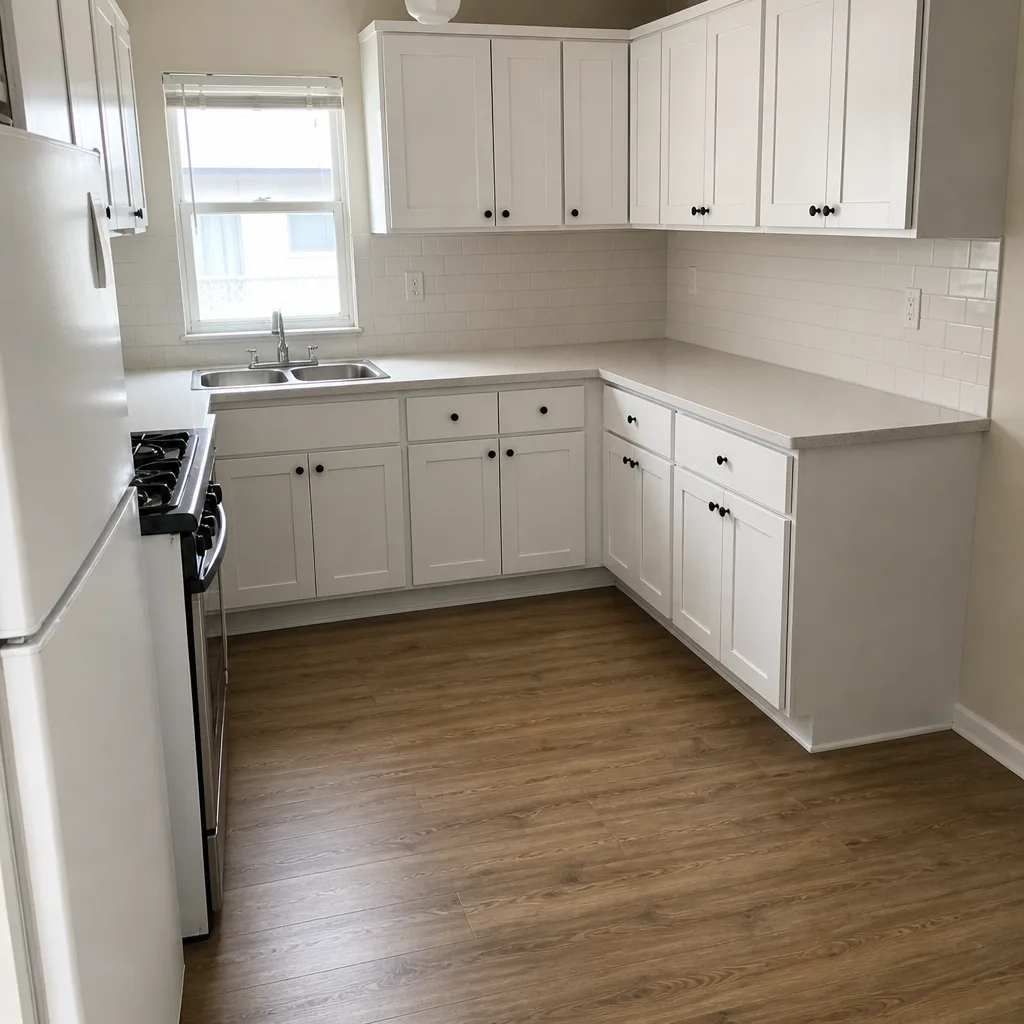
- Kitchen remodeling
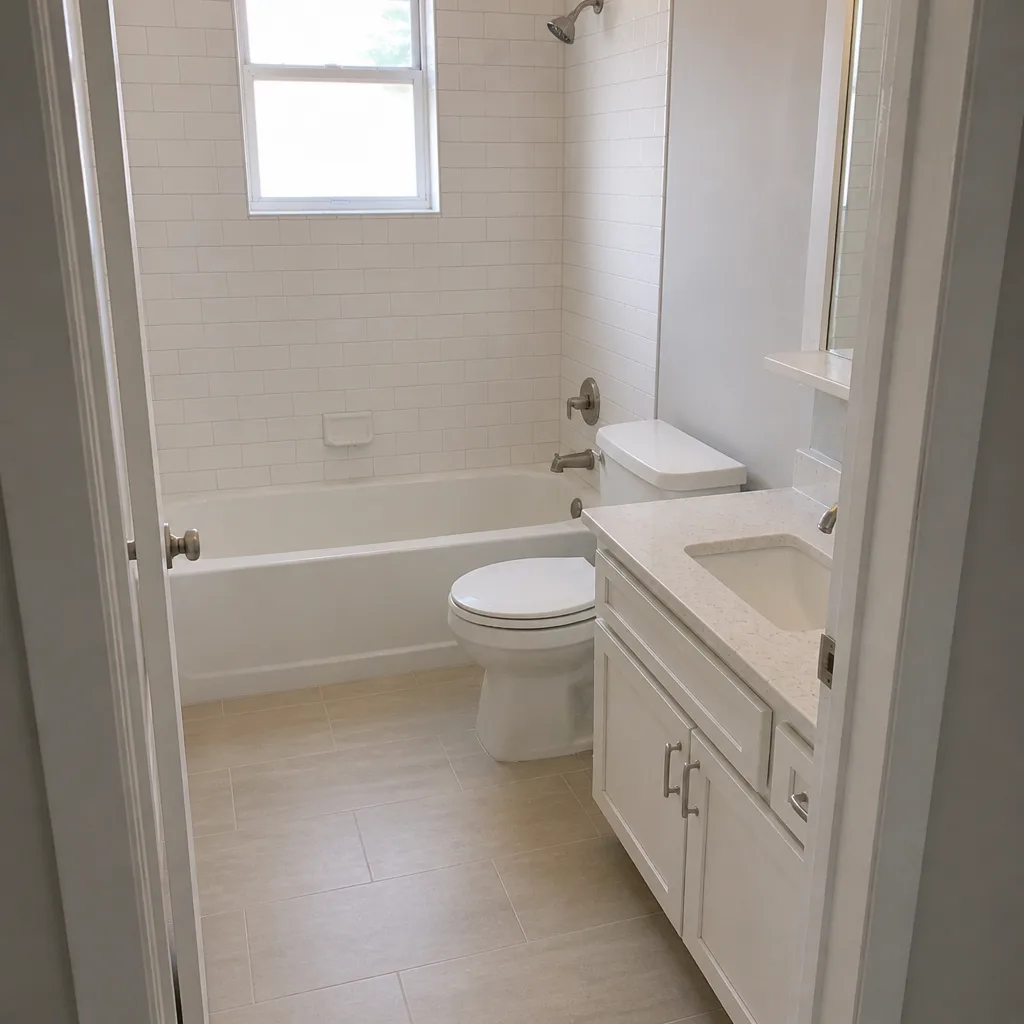
- Bathroom remodeling
- Home additions & ADU
- Roofing
- Windows & doors
- Driveway & pavers
- Fence
Table of Contents
- Why the Order of Vetting Matters More Than the Bids
- How Florida Contractor License Classifications Work
- The Subcontractor Questions That Change Your Liability
- How to Read the Miami-Dade Permit Portal Before You Sign
- What a Real Scope-of-Work Document Should Contain
- Why Single-Source Contractors Reduce Handoff Risk
- South Florida Red Flags Worth Slowing Down For
- What Happens When You Call for an Estimate
Why the Order of Vetting Matters More Than the Bids
A bid is only as good as the scope it’s based on. When three contractors look at the same vague request and each guesses at different material grades, different demolition allowances, and different assumptions about permits, you aren’t comparing three prices for the same job. You’re comparing three unrelated jobs that happen to share a title.
In Cutler Bay this shows up constantly on multi-trade houses. A homeowner asks for a re-roof quote and mentions the front fence needs replacing too. One contractor prices the roof only. Another bundles both but silently drops the permit for the fence. A third prices premium paver work into the driveway that wasn’t requested. The numbers spread wildly and the homeowner concludes the market is chaotic, when really the scopes were never aligned.
The fix is sequence. Write the scope. Confirm the license covers it. Check the permit history. Then request the estimate. Running it in this order does three things:
- It forces you to decide what you actually want before anyone influences you with a number.
- It reveals whether a contractor is even eligible to pull the permits your project needs, which eliminates some bids before they’re ever written.
- It gives every bidder the identical document, so the estimates become genuinely comparable.
Reviews still matter, and so does a fair price. But they’re filtering tools applied at the end, not at the start. A contractor with glowing reviews who can’t legally pull your roofing permit is still the wrong contractor.
How Florida Contractor License Classifications Work
Florida does not issue a single blanket “general contractor” license that covers everything on a house. Certifications are separated by trade and by scope, and the state and county systems overlap. That structure is exactly why the word “licensed” on a business card tells you almost nothing on its own.
A few distinctions are worth understanding before you call anyone in Cutler Bay:
- General, building and residential contractor licenses cover structural work and many types of additions and remodels, but they do not automatically authorize roofing, electrical, plumbing or mechanical work. Those are separate categories.
- Roofing contractors hold a roofing-specific license. A general contractor without that classification may not be able to pull your roof permit at all, or may need to sub it to someone who can.
- Specialty licenses exist for trades like pool work, paving, fencing and similar scopes, and the rules depend on the scope and value of the project.
- State-certified versus county-registered matters. A contractor registered only with one county may not be able to work elsewhere, and the reverse is also possible depending on the scope.
Here’s the practical consequence: a project that touches your roof, your kitchen plumbing and a new paver driveway may need three different license categories to be pulled properly. A contractor who claims to handle all of it needs to prove which license covers which piece, and whether the rest is being subcontracted to properly licensed trades.
You can verify a license classification through Florida’s state licensing database, and Miami-Dade County maintains its own records for locally registered contractors. Ask for the license number in writing on the estimate. If the estimate doesn’t carry a classification you can trace, treat the bid as unverified. That’s the standard we hold ourselves to, and it’s the standard worth holding every bidder to before you commit.
The Subcontractor Questions That Change Your Liability
Very few residential projects are built entirely by one company’s own people, and that isn’t automatically a problem. What matters is who holds the responsibility when a subcontractor’s work goes wrong, and whether that has been answered in writing before work begins.
Ask these questions directly, and don’t accept vague answers:
- Which trades in my scope will be performed by subcontractors, and which by your own people? Get the actual list, not “mostly our team.”
- Are those subcontractors licensed and insured separately? Ask for the certificate, not just a verbal yes.
- Who is my single point of contact for the whole job? If the answer changes once a subcontractor is on site, you’ve lost accountability.
- If a subcontractor’s work fails later, who do I call? The correct answer is the company you signed with, not the trade.
- Is there a lien waiver process? In Florida, unpaid subcontractors can potentially pursue a lien against your property. A written waiver process protects you.
That last point matters more than most homeowners realize. In Florida, the mechanics lien process can reach the homeowner when a subcontractor isn’t paid by the contractor. Asking up front whether the contractor provides lien releases at each payment milestone is a reasonable question and a good test of how organized they are.
The liability question also affects your homeowner’s insurance. If an uninsured subcontractor is injured on your property, the exposure can land on you. A Certificate of Insurance that names you as additional insured, or at least a certificate that clearly covers the trades involved, is not an unreasonable ask. A contractor who pushes back on it is telling you something.
How to Read the Miami-Dade Permit Portal Before You Sign
The permit record is the most honest document a contractor has. It shows what they have actually pulled, where, and whether those jobs closed out cleanly. A marketing page can claim anything. A permit history has to be real.
Here’s the process:
- Get the contractor’s license number in writing before you look anything up. It’s on the estimate and on the business card.
- Search the Miami-Dade County permit system for that license number. Most counties allow a search by contractor license or by business name.
- Look at the scope of the permits pulled. Do they match the type of work you’re hiring for? A contractor with a long list of fence permits and no roofing permits has not installed many roofs, regardless of what they claim.
- Look at the status of those permits. Open permits on other properties are a yellow flag. Permits that were pulled and never closed are worse, especially if they were pulled years ago.
- Check the address history. If every permit is on the other side of the county with no work in this area, that’s information, not disqualification, but it’s worth asking about.
If a contractor can’t tell you their license number without checking, that’s worth noting. If they can’t tell you which permits they’ve pulled in Miami-Dade for the type of work you’re asking for, that’s a bigger note. The permit record doesn’t lie, and it’s public.
Once the job starts, you can also use the portal to track your own permit. A contractor who pulls the permit properly will show up in the system by address, and you can see inspections scheduled and passed as they happen. That’s a much better progress measure than a verbal update.
What a Real Scope-of-Work Document Should Contain
Most change-order disputes don’t start with a bad contractor. They start with a scope document that left a gap and a homeowner who assumed the gap was covered. The fix is boring and it works: get the scope specific enough that a stranger could read it and know what to expect.
A proper scope-of-work document for a Cutler Bay residential job should include all of the following:
- Room or area list with exact dimensions and what is being removed, replaced or added in each.
- Material specifications by brand and line. Not “quartz countertops” but the actual product line you chose. This is why we work from named manufacturer lines: Cambria, Silestone and Caesarstone read very differently in a spec than “stone,” and so do KraftMaid and Wellborn cabinets against “semi-custom.”
- Plumbing and fixture brands, with model numbers. A remodel specified with Grohe or Toto fixtures is a different project than one specified with builder-grade parts, and the scope should say which one you’re buying.
- Allowances stated in dollars, with a written rule for what happens if you exceed them. This is where most disputes originate.
- Exclusions spelled out. What is explicitly not included? Old flooring removal, drywall repair after plumbing, landscape restoration after paver work, and haul-away are the usual candidates.
- Permit responsibility. Who pulls it, who pays for it, and who is responsible for the inspection schedule.
- Payment schedule tied to milestones, not dates. “Upon completion of rough-in and inspection passed” is a real milestone. “June 15” is not.
- A written change-order process that requires your signature and a stated price before work continues.
Bring the scope document to every bidder and hand it over. If a contractor wants to change it, they can propose changes in writing. That’s normal. If they ignore it entirely and quote something else, that’s the bid to be nervous about.
Why Single-Source Contractors Reduce Handoff Risk
Every time a project changes hands, something gets lost. The roofer finishes and the fencing crew shows up three weeks later, and the paver work that was supposed to go in before the fence has to be redone. Or the kitchen plumbing gets roughed in and the tile setter isn’t available until next month, and the cabinet delivery slips in the meantime.
These aren’t failures of skill. They’re failures of schedule coordination across multiple companies that each answer to their own calendar. On a Cutler Bay home that needs exterior and interior work in the same project, the coordination burden is real.
A single-source contractor carries the whole project rather than one trade. The scope stays in one document. The permits stay in one name. The schedule is one schedule. When something needs to shift, one call moves it, not four.
That’s the structure we work from at Construction Cutler Bay. Seven service categories sit under one company: driveway & pavers, fence installation, home additions & ADU, bathroom remodeling, windows and doors, roofing, and kitchen remodeling. The brand depth matters here too. Roofing specified from GAF, CertainTeed, Owens Corning, IKO, Atlas, Tamko or Boral gives real specification range. Windows and doors from PGT, CGI or Therma-Tru cover both impact performance and finish. Cabinetry from KraftMaid and Wellborn, countertops from Cambria, Silestone and Caesarstone. The point isn’t the list. The point is that the products come from named manufacturers you can research, and the scope document can specify them precisely enough to be enforced.
None of that replaces the vetting steps above. A single-source contractor still needs a license check and a permit history check. It just means fewer separate entities need vetting, and fewer handoffs can go sideways.
South Florida Red Flags Worth Slowing Down For
Some signals are universal. Others show up in South Florida specifically, and they’re worth naming.
- An unusually fast timeline offered before storm season. Residential construction in this climate runs on real material lead times, real inspection scheduling, and real labor availability. A timeline significantly shorter than every other bidder is worth questioning in detail, especially if it’s offered with urgency tied to an approaching season.
- Pressure for a cash discount. A discount offered for cash payment in exchange for skipping a paper trail is a red flag for permit compliance, insurance compliance, and your own liability. A written estimate and a normal payment schedule are not a negotiating weakness.
- No Certificate of Insurance provided for the specific job. For work in Cutler Bay and across Miami-Dade County, the certificate should show general liability and workers’ compensation coverage. If the contractor is exempt from workers’ comp, ask for that status in writing.
- License number missing from the written estimate. It should be on the document, not just remembered verbally.
- Permits “not needed” for work that clearly needs them. Most structural, roofing, plumbing and electrical work requires a permit in Miami-Dade. A contractor who says the permit isn’t necessary for structural changes is telling you how they operate.
- A scope document that’s a single paragraph. If the scope is vague, the change orders will not be.
- Subcontractor questions dodged. If they won’t tell you which trades are subbed out and which are performed in-house, the answer is likely “most of them.”
One red flag alone doesn’t mean walk away. Three of them together on the same bid is a pattern, and patterns are earned.
Common Mistakes to Avoid
- Collecting bids before writing a scope. Three bids for three different mental pictures of the job aren’t comparable, and the lowest one usually just means the contractor imagined less work.
- Treating “licensed and insured” as a single check. In Florida those are two separate verifications, and the license is category-specific. A general contractor license does not automatically cover roofing, electrical or plumbing.
- Skipping the permit portal. The permit history is the single most reliable document a contractor has, and it’s free and public in Miami-Dade. Not checking it is a self-inflicted risk.
- Accepting a verbal insurance confirmation. Ask for the Certificate of Insurance as a document, with the coverage detailed on it. If a subcontractor will be on your property, ask for theirs too.
- Signing a payment schedule tied to dates. Payments should follow completed milestones and passed inspections, not the calendar. On a longer Cutler Bay project, date-based schedules are where cash flow disputes start.
- Letting allowances stay vague. An allowance without a written dollar cap and a change-order process is the most common source of a scope dispute halfway through a kitchen or bathroom remodel.
- Choosing based on the fastest timeline. Speed offered with urgency, especially before storm season, is worth scrutinizing. Real timelines are explained by lead times and inspection scheduling, not pressure.
When to Call a Professional
Some work is worth doing yourself: a light fixture swap, a patch of drywall, a paint refresh. The threshold for calling a professional is structural or regulated. Any work that touches the roof deck, wall structure, plumbing rough-in, electrical panel, gas lines or impact-rated window and door systems needs a licensed trade and, in most cases, a permit. Opening up a wall or reconfiguring a kitchen or bathroom layout also crosses that line. Adding livable square footage, whether as a site-built addition or a prefab unit, is squarely in professional territory.
If you’re unsure whether your project needs a permit or a specialty license classification, that’s a fair question to bring to an estimate. Construction Cutler Bay offers free estimates in Cutler Bay: call (833) 630-5172. We answer 24/7. Fast dispatch from 7am to 7pm, Sunday through Friday.
What Happens When You Call for an Estimate
An estimate visit is not a sales presentation. It’s the point where the scope gets tested against reality: what the existing structure actually supports, what can be measured, and what the material choices will run for the work you’ve described.
Bring the scope document. The more specific it is, the more specific the written estimate can be. Walk the space with the estimator and point out the things that matter to you: the countertop brand you’ve been looking at, the fence line you want to move, the door style you want. If the conversation doesn’t get into those specifics, you’re talking to someone who’s quoting a category rather than your project.
Expect the written estimate to cover:
- The scope, itemized by area or trade
- Material brands and product lines where they’ve been selected
- Allowances with stated dollar amounts
- Exclusions, clearly listed
- The permit responsibility
- Payment milestones, not payment dates
- A change-order process in writing
The written estimate sets the final price. That’s the point of it. Call (833) 630-5172 to schedule yours. We answer 24/7. Fast dispatch from 7am to 7pm, Sunday through Friday.
See the difference
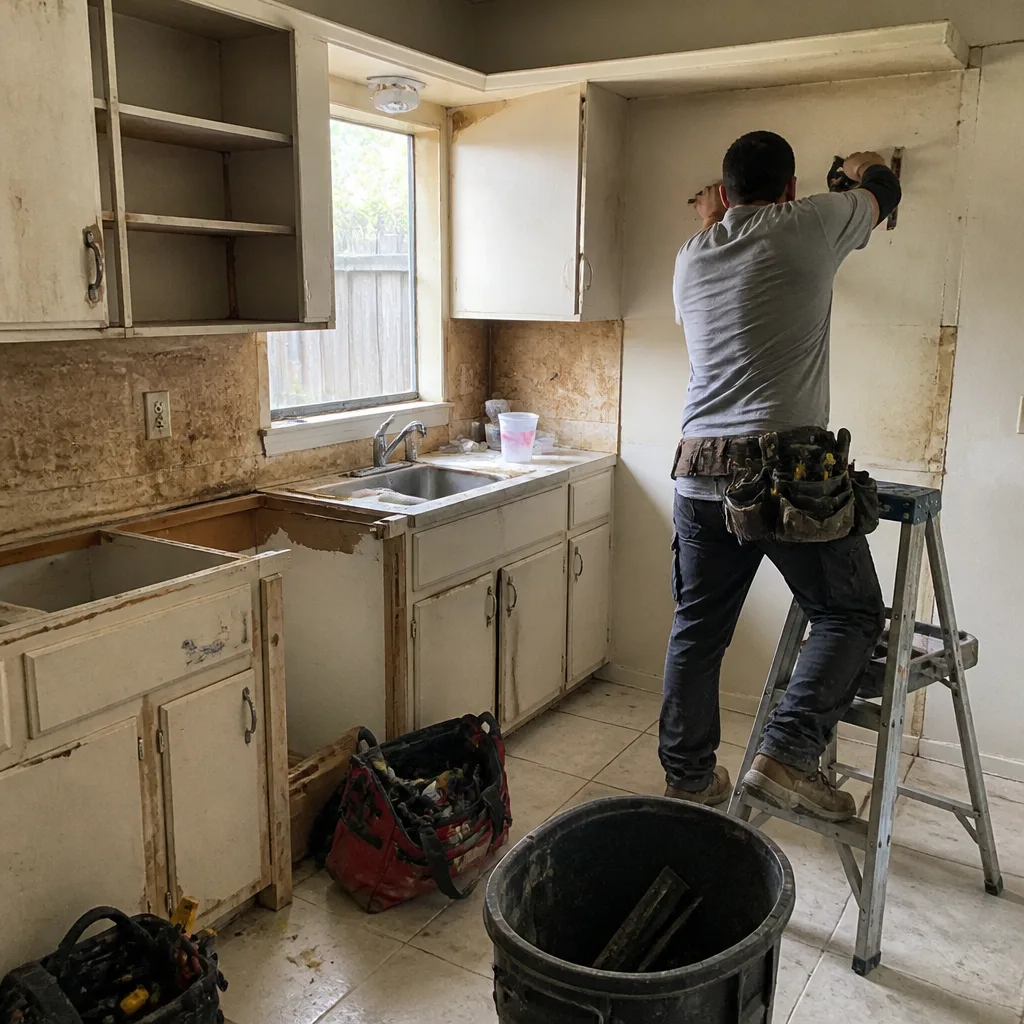 Before
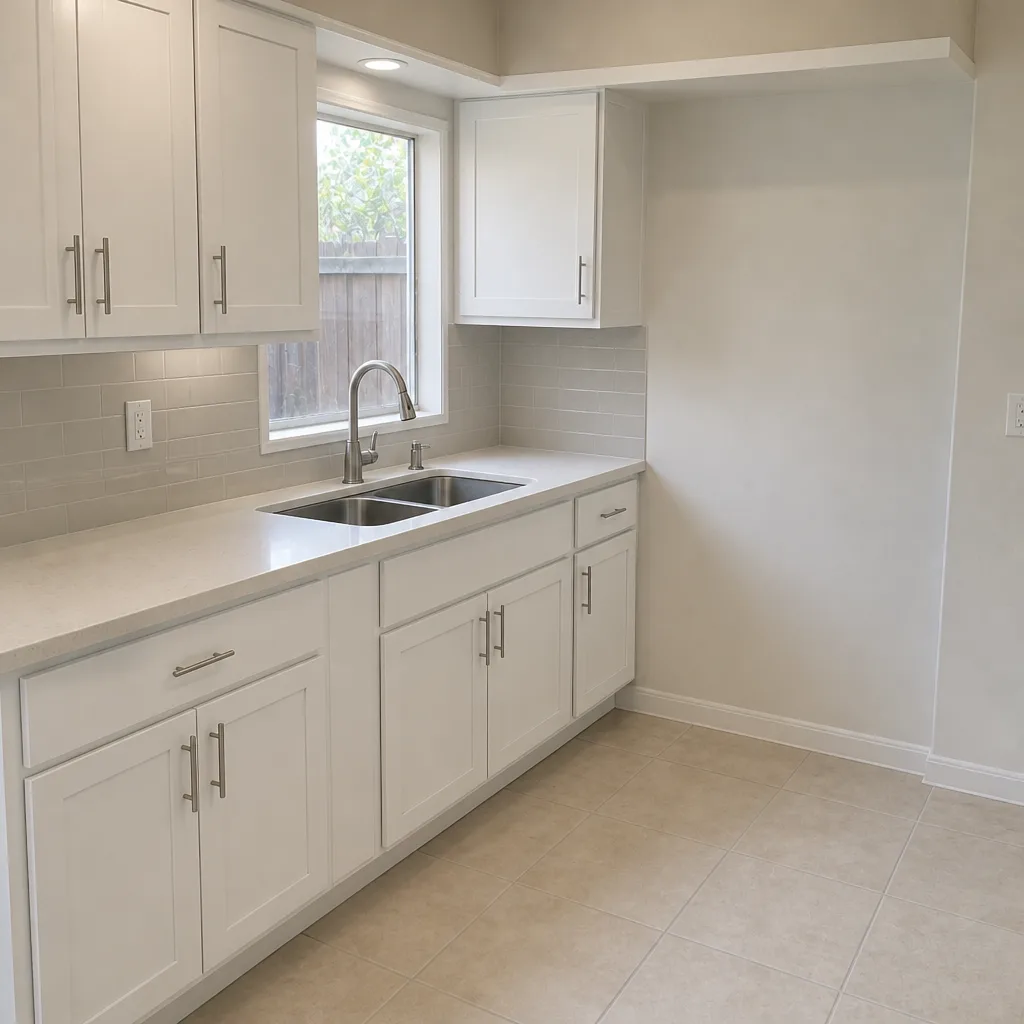 After
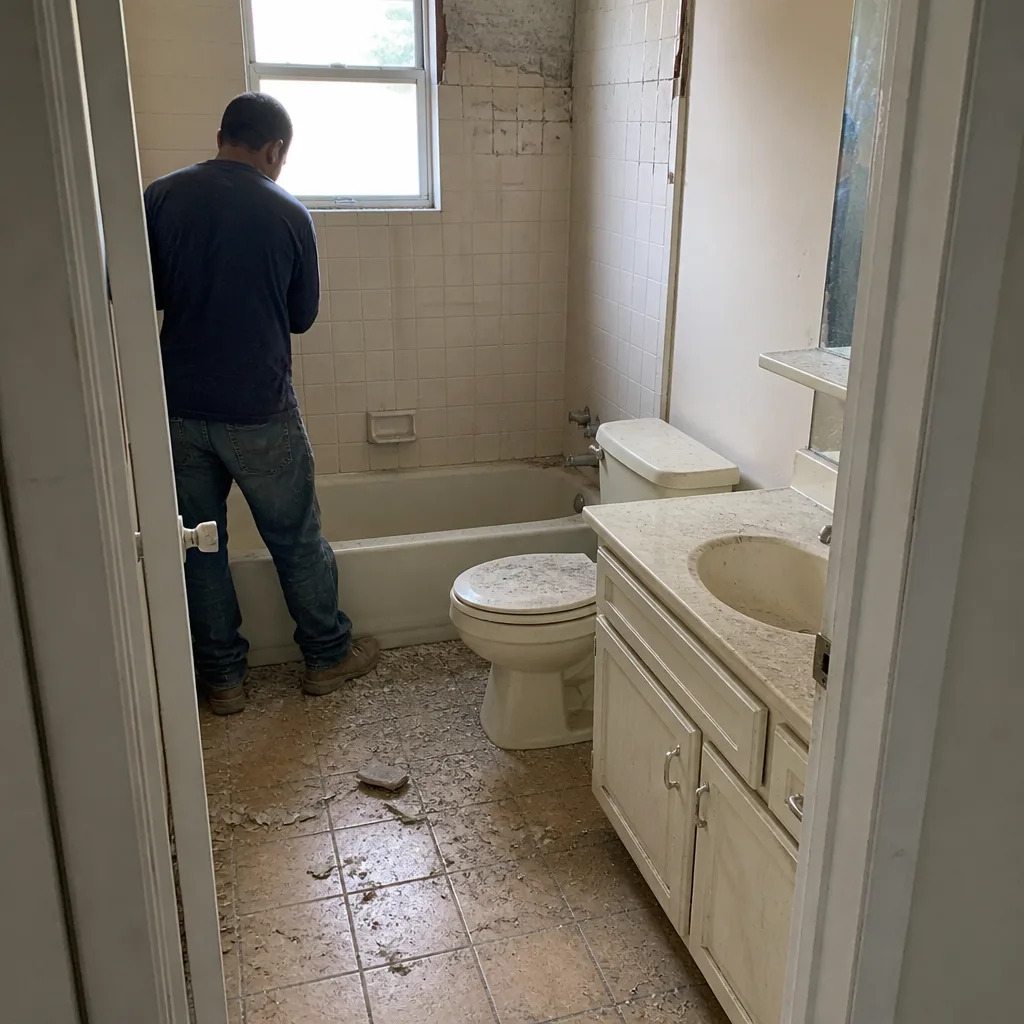 Before
 After
 Before
 After
Frequently Asked Questions

Ask for the license number in writing on the estimate, then look it up in Florida’s state licensing database and Miami-Dade County’s contractor records. Confirm that the classification matches the specific work in your scope, since a general contractor license does not automatically cover roofing, electrical or plumbing. Call (833) 630-5172 for an exact quote – estimates are free.
No. Roofing is a separate license classification in Florida, and a general contractor without the roofing classification may not be able to pull your roof permit themselves. If your scope includes roofing, confirm who holds that classification and whether it’s being subcontracted. Call (833) 630-5172 to talk through a multi-trade scope.
A proper scope lists each area with dimensions, specifies materials by brand and product line, states allowances in dollars, names exclusions, assigns permit responsibility, ties payment to milestones, and includes a written change-order process. Anything vaguer invites change-order disputes mid-project. Call (833) 630-5172 to schedule a free estimate.
Search the Miami-Dade County permit portal using the contractor’s license number, then review what types of permits they’ve pulled, whether those permits were closed, and where the work was done. Permit type should match the scope of your own project. Call (833) 630-5172 if you’d like to review your scope before you start comparing bids.
It means the scope can specify real product lines rather than categories, which is what makes a written estimate enforceable. Roofing from GAF, CertainTeed or Owens Corning reads differently on a scope than “shingles,” and countertops from Cambria or Silestone read differently than “quartz.” Call (833) 630-5172 for a free estimate.
Not on a properly written estimate with a stated scope and a signed change-order process. The written estimate sets the final price for the work described, and any change you request should be priced and signed before the work continues. Call (833) 630-5172 for an exact quote – estimates are free.
The Bottom Line
The order of operations on contractor vetting is the part most homeowners get wrong. Write the scope first. Confirm the license classification covers every trade in it. Read the permit record. Then request the bid. That sequence filters out unqualified bidders before you’ve spent time comparing numbers that were never comparable in the first place.
In Cutler Bay, where one home often needs perimeter work and interior work in the same year, single-source scope and clear subcontractor accountability are what keep a project in one set of hands. Whether you use us or someone else, ask the questions. Get the answers in writing. The estimate should be free, the scope should be specific, and the written estimate should set the final price.
Call (833) 630-5172 to schedule a free estimate. We answer 24/7. Fast dispatch from 7am to 7pm, Sunday through Friday. Visit Construction Cutler Bay to see the full range of what we handle across every phase of a project.
Written by the team at Construction Cutler Bay.